THE ADVENTURE COLLECTIVE® · Independent discovery and booking for outdoor travel

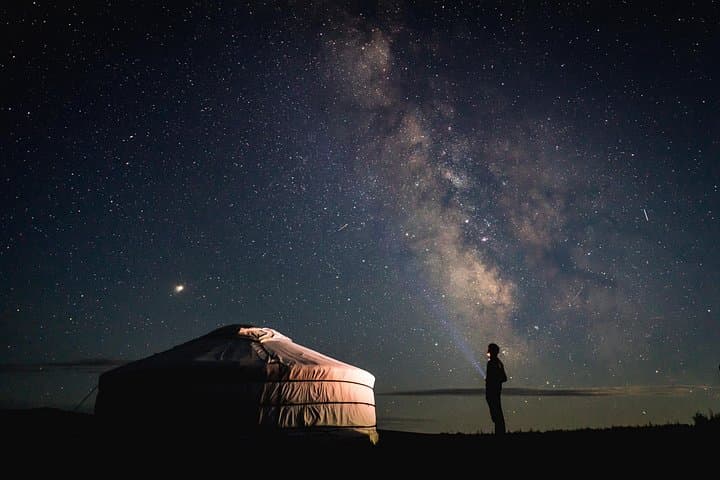
Drive from Bukhara through Nurata to a yurt camp on Aydarkul, explore ancient petroglyphs at Sarmishsay and sleep under desert stars. This private 2-day safari mixes geology, nomadic culture and easy outdoor exploration.
Drive from Bukhara through Nurata to a yurt camp on Aydarkul, explore ancient petroglyphs at Sarmishsay and sleep under desert stars. This private 2-day safari mixes geology, nomadic culture and easy outdoor exploration.
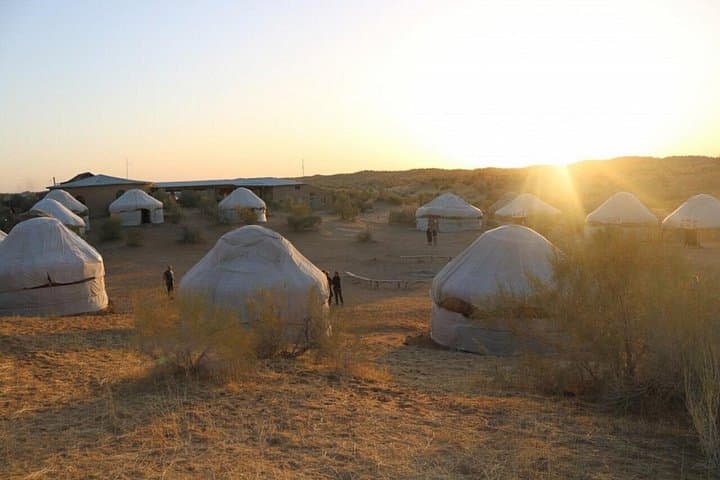
Sand and sky set the first scene: a comfortable vehicle eases out of Bukhara at dawn, the city’s minarets shrinking behind, while the Kyzylkum desert unfurls ahead like a patient companion. By midday the road runs through scrub and low dunes; by evening a ring of yurts appears at Aydarkul and the desert wind tells stories that the campfire finishes.
Verified experiences and guided adventures in the surrounding area.
Operated by Silk Road Tours · Bukhara, Bukhara Region
Sand and sky set the first scene: a comfortable vehicle eases out of Bukhara at dawn, the city’s minarets shrinking behind, while the Kyzylkum desert unfurls ahead like a patient companion. By midday the road runs through scrub and low dunes; by evening a ring of yurts appears at Aydarkul and the desert wind tells stories that the campfire finishes.
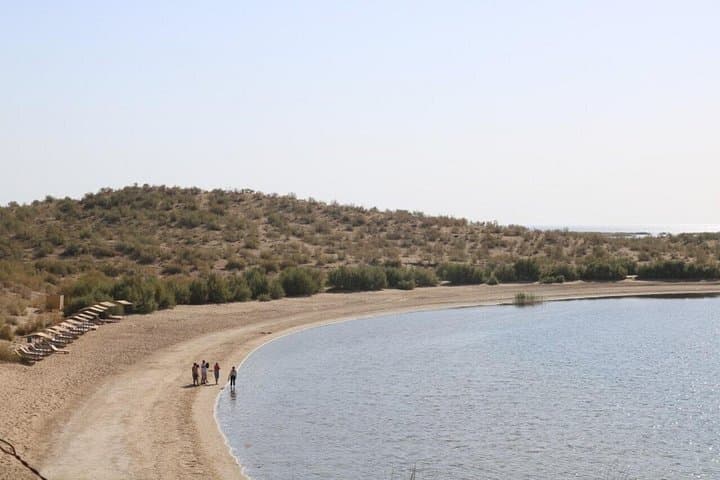
This two-day private safari threads history and geology—Sarmishsay’s petroglyphs record human movement here since the Stone Age, while Nurata’s foundations are linked to the campaigns of Alexander the Great. Aydarkul itself is an artificial lake carved in the Soviet period that now draws migratory birds and local shepherds. Culture arrives in the form of a local bard, traditional music by firelight, and a short visit to Dungalak village to see pastoral life up close.
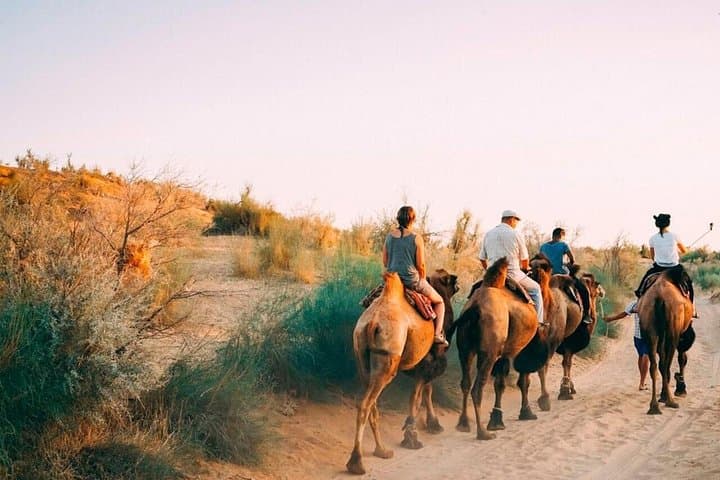
Expect easy walks to rock art panels, a 20-minute camel ride around camp, shoreline strolls at Aydarkul and long drives between points (several stretches of unpaved road). Nights swing cool; day temperatures can be sharp in summer sun. Facilities are basic but comfortable—one-night yurt camp with shared amenities and home-cooked meals.
Practical guidance: bring layered clothing, sun protection and cash for small local purchases. Hydrate on long transfers and wear sturdy shoes for rocky gullies at Sarmishsay. Plan travel time—the route is scenic but slow—and leave extra time if birding or photography is a priority.
moderate.
2 days.
Suitable for travelers in average fitness—short walks, light scrambling near petroglyph sites and a brief camel ride; long drives require patience.
The tour typically starts in Bukhara (pick-up from hotels) and ends in Samarkand, with transfers and stops along the route.
Most activities are low-impact: short walks to petroglyphs, a 20-minute camel ride and a village visit; long vehicle transfers make overall pacing relaxed.
One overnight in a traditional yurt camp near Aydarkul with basic comforts, shared facilities and home-style meals; expect a rustic but comfortable experience.
Swimming depends on season and local conditions—bring swimwear if visiting in warm months, but always follow guide advice about water safety.
Sarmishsay’s rock art dates back thousands of years, recording pastoralist routes; Nurata bears traces of urban settlement tied to Alexander the Great’s campaigns.
The lake and surrounding steppe host migratory birds—minimizing disturbance and packing out waste helps protect nesting and feeding areas; support local guides to encourage sustainable tourism.
Silk Road Tours operates guided outdoor trips and adventures with an emphasis on safety, stewardship, and memorable experiences.
Sand and sky set the first scene: a comfortable vehicle eases out of Bukhara at dawn, the city’s minarets shrinking behind, while the Kyzylkum desert unfurls ahead like a patient companion. By midday the road runs through scrub and low dunes; by evening a ring of yurts appears at Aydarkul and the desert wind tells stories that the campfire finishes.
Sand and sky set the first scene: a comfortable vehicle eases out of Bukhara at dawn, the city’s minarets shrinking behind, while the Kyzylkum desert unfurls ahead like a patient companion. By midday the road runs through scrub and low dunes; by evening a ring of yurts appears at Aydarkul and the desert wind tells stories that the campfire finishes.
This two-day private safari threads history and geology—Sarmishsay’s petroglyphs record human movement here since the Stone Age, while Nurata’s foundations are linked to the campaigns of Alexander the Great. Aydarkul itself is an artificial lake carved in the Soviet period that now draws migratory birds and local shepherds. Culture arrives in the form of a local bard, traditional music by firelight, and a short visit to Dungalak village to see pastoral life up close.
Expect easy walks to rock art panels, a 20-minute camel ride around camp, shoreline strolls at Aydarkul and long drives between points (several stretches of unpaved road). Nights swing cool; day temperatures can be sharp in summer sun. Facilities are basic but comfortable—one-night yurt camp with shared amenities and home-cooked meals.
Practical guidance: bring layered clothing, sun protection and cash for small local purchases. Hydrate on long transfers and wear sturdy shoes for rocky gullies at Sarmishsay. Plan travel time—the route is scenic but slow—and leave extra time if birding or photography is a priority.