THE ADVENTURE COLLECTIVE® · Independent discovery and booking for outdoor travel

Spend two days between Bukhara and Samarkand sleeping in traditional yurts, visiting Nurata’s spring and Alexander’s Fort, and exploring Lake Aydarkul. This self-guided route mixes easy drives, simple camp comforts, and hands-on nomadic experiences like camel rides and live music at camp.
Spend two days between Bukhara and Samarkand sleeping in traditional yurts, visiting Nurata’s spring and Alexander’s Fort, and exploring Lake Aydarkul. This self-guided route mixes easy drives, simple camp comforts, and hands-on nomadic experiences like camel rides and live music at camp.
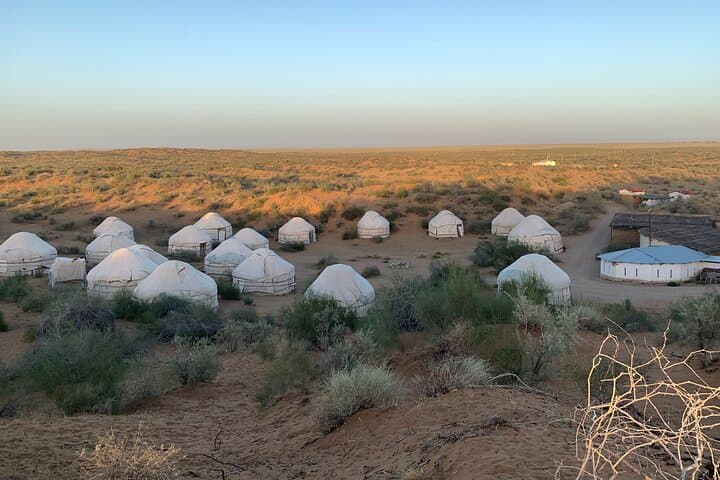
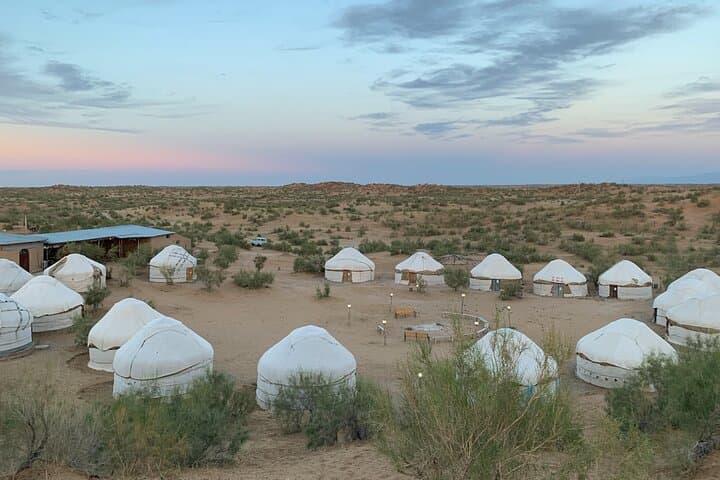
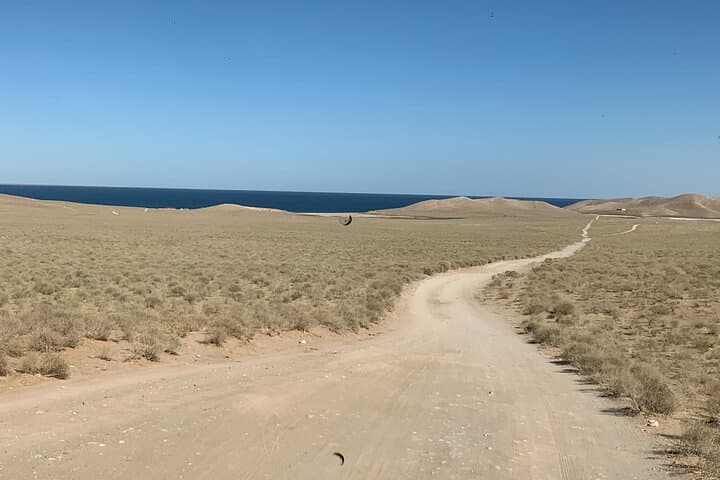
You pull off the asphalt and the road sighs into the open steppe—gold grasses ripple like a low sea and the sky widens. The journey from Bukhara threads north through the Nurata foothills, past a cool spring where fish congregate, and spills into the shallow basin of Lake Aydarkul. By late afternoon, a ring of felt yurts waits on hard-packed earth; a kettle is on, camels stand patient, and the desert air begins to sharpen.
Verified experiences and guided adventures in the surrounding area.
Operated by Samaria Travel · Bukhara, Bukhara Region
You pull off the asphalt and the road sighs into the open steppe—gold grasses ripple like a low sea and the sky widens. The journey from Bukhara threads north through the Nurata foothills, past a cool spring where fish congregate, and spills into the shallow basin of Lake Aydarkul. By late afternoon, a ring of felt yurts waits on hard-packed earth; a kettle is on, camels stand patient, and the desert air begins to sharpen.
This corridor between Bukhara and Samarkand has been a crossroads for centuries: Alexander’s fort crowns a local hill, medieval pilgrims still come to Chashma Spring, and the Arnasay Depression that feeds Aydarkul is an engineered lake born of Soviet-era water projects. Geology here is steppe and clay with intermittent limestone outcrops, and the nomadic culture has left practical marks—portable dwellings, fermented milk traditions, and music that breaks the hush.
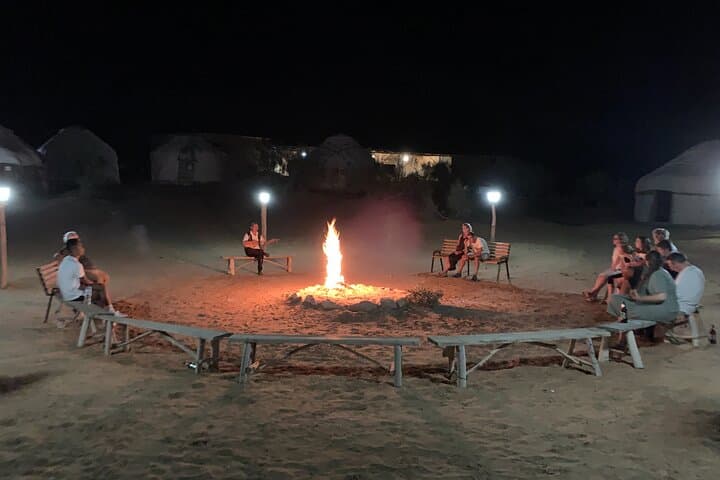
Expect simple comforts: two-person yurts with firm beds, shared sanitation, and a lamp inside; hot dinners and a campfire concert most nights. Travel time is long but mostly by road; the last stretch to camp can be rough. Bring layered clothing for cold nights, sun protection for daytime crossings, and a small torch—electric light is basic.
Practical pacing: arrive mid-afternoon to take a camel ride and watch birds, pack modest clothing for holy sites at Chashma, and plan for minimal cell signal. The trip balances cultural immersion with low-impact camping—less a wilderness expedition than a slow, sensory crossing of Uzbekistan’s open heart.
easy.
2 days.
Suitable for most fitness levels; minimal hiking required but expect long vehicle transfers and short camel-ride activity.
The itinerary runs between Bukhara and Samarkand; most departures begin in Bukhara with an option to start or finish in Samarkand—confirm at booking.
Yurts accommodate two guests per unit on firm mattresses with pillows and blankets; facilities are basic and bathrooms are shared at camp.
Yes—dinner on the first night and breakfast on the second are included; expect local dishes and camp-style service.
Road quality varies: main highways are good but the last 30–60 minutes to camp can be bumpy on uneven asphalt or dirt tracks—travelers should be prepared for a shaky ride.
Nurata’s hill fort is linked in local tradition to Alexander the Great, while Aydarkul itself is a modern lake formed after mid-20th-century river engineering.
Aydarkul’s wetlands support birdlife but are sensitive to water-management changes; visitors should avoid littering and limit disturbance at spring and lake edges.
Samaria Travel operates guided outdoor trips and adventures with an emphasis on safety, stewardship, and memorable experiences.
You pull off the asphalt and the road sighs into the open steppe—gold grasses ripple like a low sea and the sky widens. The journey from Bukhara threads north through the Nurata foothills, past a cool spring where fish congregate, and spills into the shallow basin of Lake Aydarkul. By late afternoon, a ring of felt yurts waits on hard-packed earth; a kettle is on, camels stand patient, and the desert air begins to sharpen.
You pull off the asphalt and the road sighs into the open steppe—gold grasses ripple like a low sea and the sky widens. The journey from Bukhara threads north through the Nurata foothills, past a cool spring where fish congregate, and spills into the shallow basin of Lake Aydarkul. By late afternoon, a ring of felt yurts waits on hard-packed earth; a kettle is on, camels stand patient, and the desert air begins to sharpen.
This corridor between Bukhara and Samarkand has been a crossroads for centuries: Alexander’s fort crowns a local hill, medieval pilgrims still come to Chashma Spring, and the Arnasay Depression that feeds Aydarkul is an engineered lake born of Soviet-era water projects. Geology here is steppe and clay with intermittent limestone outcrops, and the nomadic culture has left practical marks—portable dwellings, fermented milk traditions, and music that breaks the hush.
Expect simple comforts: two-person yurts with firm beds, shared sanitation, and a lamp inside; hot dinners and a campfire concert most nights. Travel time is long but mostly by road; the last stretch to camp can be rough. Bring layered clothing for cold nights, sun protection for daytime crossings, and a small torch—electric light is basic.
Practical pacing: arrive mid-afternoon to take a camel ride and watch birds, pack modest clothing for holy sites at Chashma, and plan for minimal cell signal. The trip balances cultural immersion with low-impact camping—less a wilderness expedition than a slow, sensory crossing of Uzbekistan’s open heart.