THE ADVENTURE COLLECTIVE® · Independent discovery and booking for outdoor travel

Explore two UNESCO-era sites, swim a dramatic cenote and sample Merida’s colonial streets on this private, active two-day Yucatán circuit. Expect ancient astronomy, limestone caves and hands-on cultural stops.
Explore two UNESCO-era sites, swim a dramatic cenote and sample Merida’s colonial streets on this private, active two-day Yucatán circuit. Expect ancient astronomy, limestone caves and hands-on cultural stops.
The morning air tastes of limestone dust and citrus as your private van pulls away from Cancun toward the low, green horizon where stone pyramids rise above the scrub.
Verified experiences and guided adventures in the surrounding area.
Operated by Trip To Mexico · Chichén Itzá, Yucatán
The morning air tastes of limestone dust and citrus as your private van pulls away from Cancun toward the low, green horizon where stone pyramids rise above the scrub.
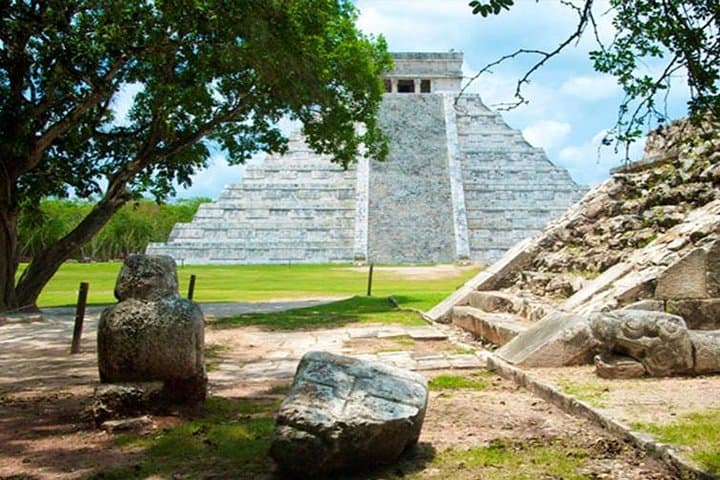
On day one the guide leads you across the broad plaza of Chichén Itzá; wind plays through the columns, and the great stair-stepped face of the Temple of Kukulcán seems to measure the sun itself. The site is a ledger of Maya astronomy and civic life—ballcourts where games decided prestige, an observatory that reads the sky, and reliefs that speak of trade and ritual.
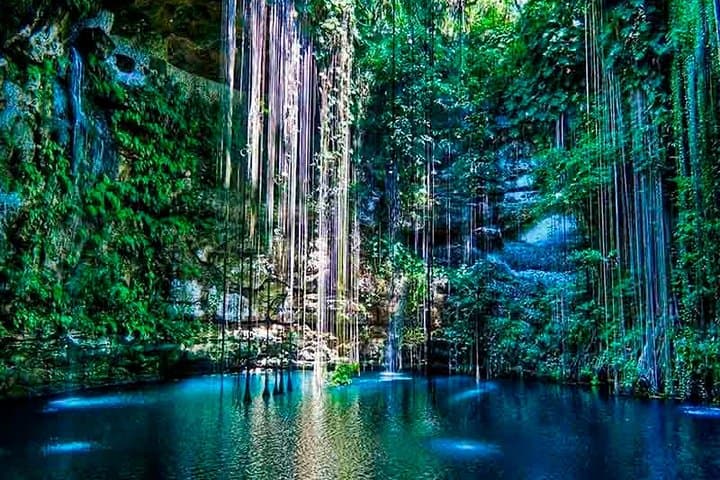
Midday brings a contrast: Ik-kil cenote, a vertical pool fed by underground rivers that dares you to swim beneath vines and shafts of light. The water here is a reminder of the peninsula’s karst geology—limestone dissolved over millennia to create caverns and cenotes that were essential to Maya settlement.
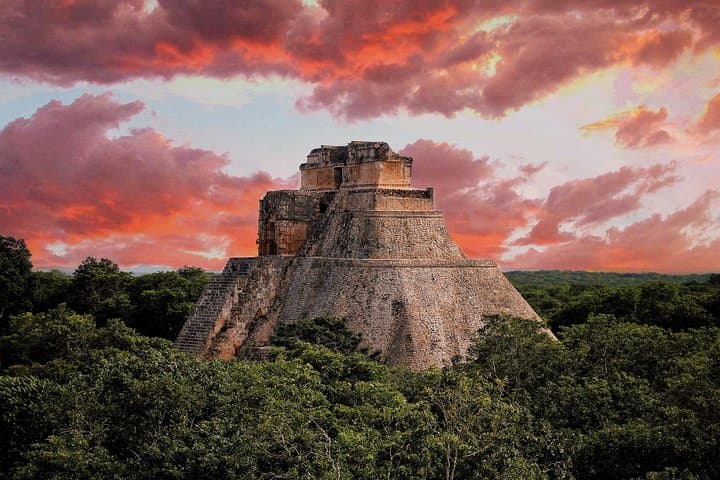
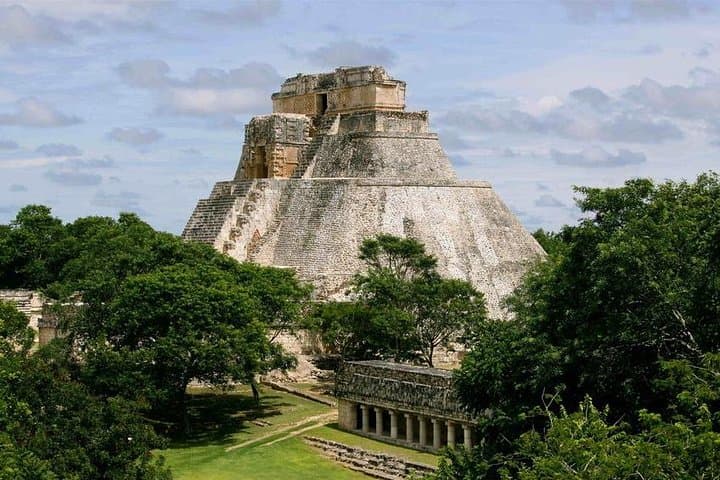
You spend the night in Merida, a colonial city shaped by henequen wealth and Yucatecan culture—broad avenues, pastel façades and mercados offering cacao and cochinita pibil. Day two moves west to Uxmal, where intricate mosaics and rounded pyramid forms reveal a different architectural language and local lore.
Practical guidance: expect moderate walking on uneven surfaces and stairs, bring biodegradable sunscreen, a swimsuit and towel for the cenote, and a hat for sun exposure. Mornings are cooler—start early to avoid peak heat and crowds. Hydrate between sites and carry small bills for market purchases and tips.
moderate.
2 days (approx. 8–10 hours per day).
Suitable for travelers who can walk 3–5 miles over uneven terrain and climb stairs multiple times; some stamina required.
Each day includes several hours of driving between sites; expect roughly 2–3 hours on day one (Cancún–Chichén–Merida) and 2–3 hours on day two (Merida–Uxmal–Cancún), with stops in between.
This offer includes admission to specified stops such as the Ik-kil cenote and the cacao demonstration; confirm specific entrance fees at booking or with your guide.
Yes—Ik-kil provides life jackets and ladders; let your guide know if you want one and follow on-site safety rules.
The tour is private but requires moderate walking and stair climbing; infants must sit on laps and travelers with limited mobility should consult the operator in advance.
The Yucatán’s cities were regional hubs of the Classic and Postclassic Maya world; later, Merida developed as a colonial center powered by henequen (sisal) cultivation and trade.
Cenotes are fed by fragile groundwater—use biodegradable sunscreen and avoid polluting entrances; visit with guides who support preservation fees and local stewardship.
Trip To Mexico operates guided outdoor trips and adventures with an emphasis on safety, stewardship, and memorable experiences.
The morning air tastes of limestone dust and citrus as your private van pulls away from Cancun toward the low, green horizon where stone pyramids rise above the scrub.
The morning air tastes of limestone dust and citrus as your private van pulls away from Cancun toward the low, green horizon where stone pyramids rise above the scrub.
On day one the guide leads you across the broad plaza of Chichén Itzá; wind plays through the columns, and the great stair-stepped face of the Temple of Kukulcán seems to measure the sun itself. The site is a ledger of Maya astronomy and civic life—ballcourts where games decided prestige, an observatory that reads the sky, and reliefs that speak of trade and ritual.
Midday brings a contrast: Ik-kil cenote, a vertical pool fed by underground rivers that dares you to swim beneath vines and shafts of light. The water here is a reminder of the peninsula’s karst geology—limestone dissolved over millennia to create caverns and cenotes that were essential to Maya settlement.
You spend the night in Merida, a colonial city shaped by henequen wealth and Yucatecan culture—broad avenues, pastel façades and mercados offering cacao and cochinita pibil. Day two moves west to Uxmal, where intricate mosaics and rounded pyramid forms reveal a different architectural language and local lore.
Practical guidance: expect moderate walking on uneven surfaces and stairs, bring biodegradable sunscreen, a swimsuit and towel for the cenote, and a hat for sun exposure. Mornings are cooler—start early to avoid peak heat and crowds. Hydrate between sites and carry small bills for market purchases and tips.