THE ADVENTURE COLLECTIVE® · Independent discovery and booking for outdoor travel

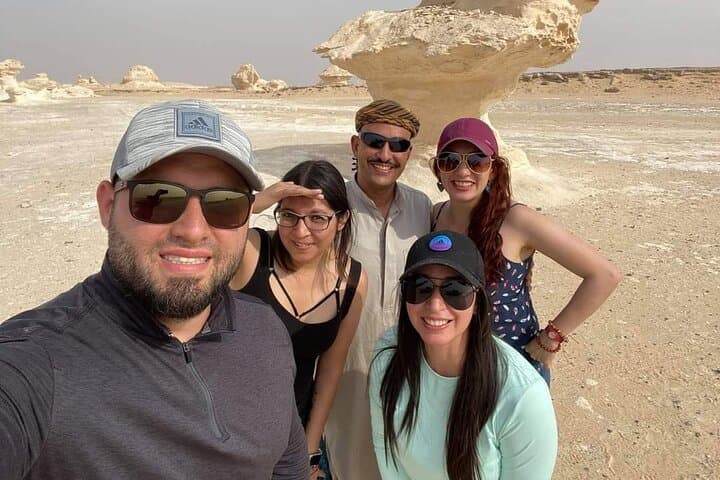
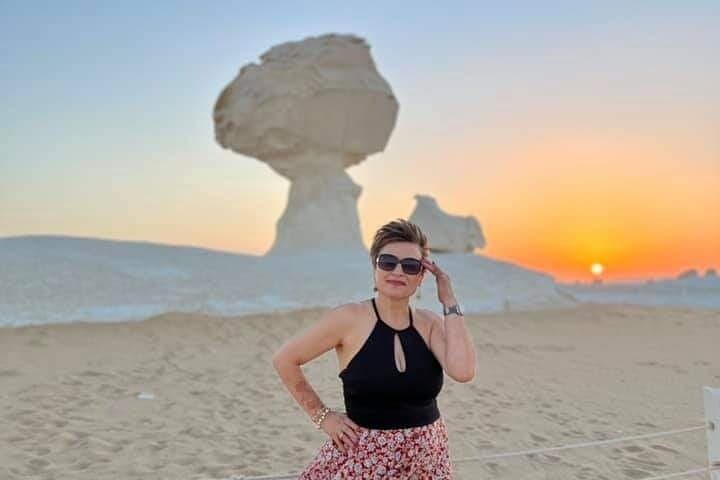
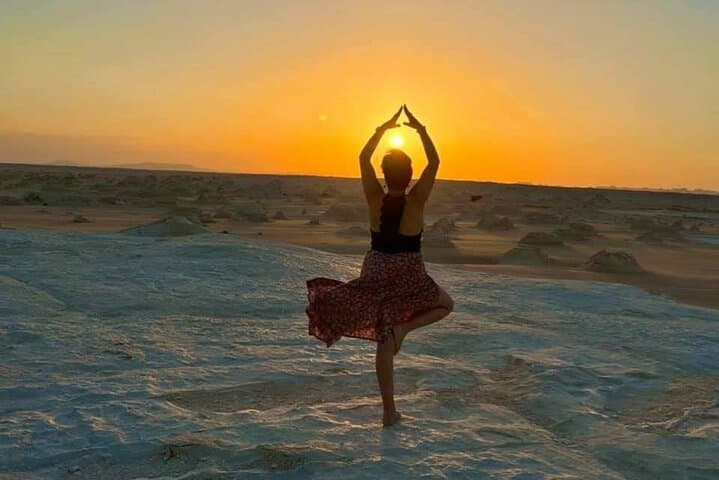
Leave Cairo for a 2‑day, 4x4 desert safari to Bahariya Oasis and the White Desert. Spend a night in a simple desert camp, watch sunrise over chalk mushrooms, and explore Black Desert outcrops and Crystal Mountain.
Leave Cairo for a 2‑day, 4x4 desert safari to Bahariya Oasis and the White Desert. Spend a night in a simple desert camp, watch sunrise over chalk mushrooms, and explore Black Desert outcrops and Crystal Mountain.
Morning light pours across the dashboard as the air‑conditioned van unspools Cairo’s suburbs and the city becomes a smear of roofs. Four hours and roughly 350 km later the road drops into palms and the first ochre dunes; Bahariya Oasis feels like an abrupt island of green in the flat Sahara. By afternoon the guide switches vehicles to a 4x4 and the landscape changes again — black volcanic‑like hills, scattered quartz, and then the surreal white chalk sculptures of the White Desert.
Verified experiences and guided adventures in the surrounding area.
Operated by Tamer Safari · Bahariya Oasis (El‑Bawiti), New Valley Governorate
Morning light pours across the dashboard as the air‑conditioned van unspools Cairo’s suburbs and the city becomes a smear of roofs. Four hours and roughly 350 km later the road drops into palms and the first ochre dunes; Bahariya Oasis feels like an abrupt island of green in the flat Sahara. By afternoon the guide switches vehicles to a 4x4 and the landscape changes again — black volcanic‑like hills, scattered quartz, and then the surreal white chalk sculptures of the White Desert.
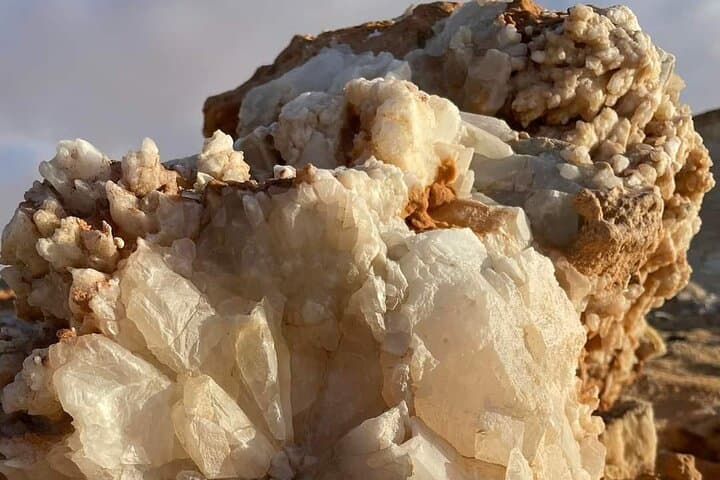
This route threads geology and history: Bahariya has been a caravan waypoint since pharaonic times, Crystal Mountain’s quartz seams speak to ancient sedimentary processes, and wind‑carved chalk in the White Desert is the result of millennia of erosion. Local Bedouin and oasis farmers add cultural texture — date palms, small orchards and stories shared around the campfire.
Expect a mix of terrain: paved highway, gravel tracks, hardpan, sand dunes and short climbs over dunes (tens of meters, not sustained elevation gain). The trip is vehicle‑led with one overnight under canvas at Al Haiz camp; sunrise and sunset are the photographic highlights. Guides organize meals, bottled water and a basic tent; plan for temperature swings — hot daytime sun and chilly desert nights.
Practical notes: bring layered clothing, sun protection, sturdy shoes for walking on sand and chalk, and a headlamp for campsite tasks. Move deliberately around fragile formations and follow your guide’s route to protect geological features and local vegetation.
moderate.
2 days (approx. 48 hours).
Light to moderate fitness; able to walk short distances on sand and negotiate uneven rocky surfaces
The transfer from central Cairo to Bahariya Oasis is about 350 km and typically takes around four hours each way by road.
Overnight is in a basic desert camp (tent) with mattresses; guides prepare meals and provide bottled water—bring personal sleeping layers if you prefer extra warmth.
The booking notes accessibility for vehicles and some surfaces, but desert terrain, dunes and camping activities may be difficult for travelers with limited mobility—check specifics with the operator before booking.
Expect hot, dry days and cool to cold nights; wind can kick up sand, so sun protection and layered clothing are recommended.
Bahariya Oasis has been inhabited since Pharaonic times and served as a caravan and agricultural stop; the White Desert’s chalk formations were sculpted over millions of years by wind and weather.
The chalk and crystalline formations are fragile; stick to paths and follow guide instructions to avoid damage. Small‑group operators help limit impact and support local communities.
Tamer Safari operates guided outdoor trips and adventures with an emphasis on safety, stewardship, and memorable experiences.
Morning light pours across the dashboard as the air‑conditioned van unspools Cairo’s suburbs and the city becomes a smear of roofs. Four hours and roughly 350 km later the road drops into palms and the first ochre dunes; Bahariya Oasis feels like an abrupt island of green in the flat Sahara. By afternoon the guide switches vehicles to a 4x4 and the landscape changes again — black volcanic‑like hills, scattered quartz, and then the surreal white chalk sculptures of the White Desert.
Morning light pours across the dashboard as the air‑conditioned van unspools Cairo’s suburbs and the city becomes a smear of roofs. Four hours and roughly 350 km later the road drops into palms and the first ochre dunes; Bahariya Oasis feels like an abrupt island of green in the flat Sahara. By afternoon the guide switches vehicles to a 4x4 and the landscape changes again — black volcanic‑like hills, scattered quartz, and then the surreal white chalk sculptures of the White Desert.
This route threads geology and history: Bahariya has been a caravan waypoint since pharaonic times, Crystal Mountain’s quartz seams speak to ancient sedimentary processes, and wind‑carved chalk in the White Desert is the result of millennia of erosion. Local Bedouin and oasis farmers add cultural texture — date palms, small orchards and stories shared around the campfire.
Expect a mix of terrain: paved highway, gravel tracks, hardpan, sand dunes and short climbs over dunes (tens of meters, not sustained elevation gain). The trip is vehicle‑led with one overnight under canvas at Al Haiz camp; sunrise and sunset are the photographic highlights. Guides organize meals, bottled water and a basic tent; plan for temperature swings — hot daytime sun and chilly desert nights.
Practical notes: bring layered clothing, sun protection, sturdy shoes for walking on sand and chalk, and a headlamp for campsite tasks. Move deliberately around fragile formations and follow your guide’s route to protect geological features and local vegetation.