THE ADVENTURE COLLECTIVE® · Independent discovery and booking for outdoor travel

A two-day guided loop from Reykjavík that pairs the sculpted coast of the Snæfellsnes Peninsula with the subterranean drama of Viðgelmir lava cave and the Silver Circle’s waterfalls. Perfect for travelers who want geology, wildlife, and comfortable logistics in one trip.
A two-day guided loop from Reykjavík that pairs the sculpted coast of the Snæfellsnes Peninsula with the subterranean drama of Viðgelmir lava cave and the Silver Circle’s waterfalls. Perfect for travelers who want geology, wildlife, and comfortable logistics in one trip.
The bus eases out of Reykjavík at first light and the coastline unfolds—black sand cliffs, a glacier-capped volcano watching from the horizon, and the Atlantic air pushing at the windows. Over two days the West of Iceland reveals itself in sudden scenes: the cone of Kirkjufell rising like a church steeple, seals bobbing at Ytri-Tunga, and a network of waterfalls pouring from hardened lava.
Verified experiences and guided adventures in the surrounding area.
Operated by Nicetravel ehf · Reykjavik, Capital Region
The bus eases out of Reykjavík at first light and the coastline unfolds—black sand cliffs, a glacier-capped volcano watching from the horizon, and the Atlantic air pushing at the windows. Over two days the West of Iceland reveals itself in sudden scenes: the cone of Kirkjufell rising like a church steeple, seals bobbing at Ytri-Tunga, and a network of waterfalls pouring from hardened lava.
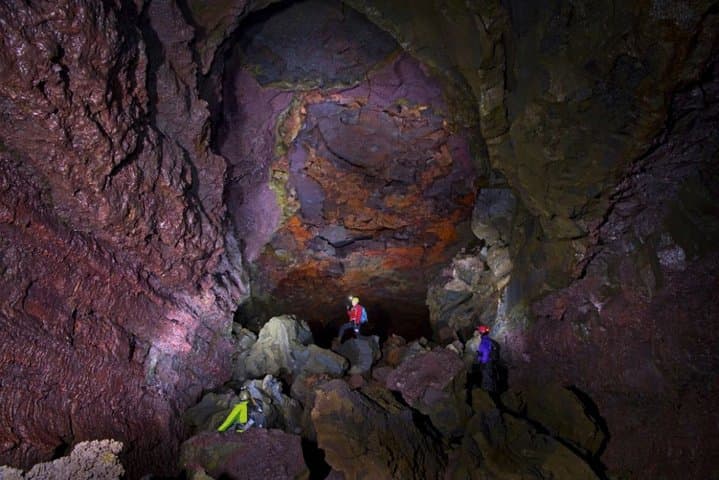
Geology here is immediate. Snæfellsjökull is a strato-volcano capped by ice, its flows creating the jagged headlands and basalt columns dotting the shore. Hallmundarhraun lava field feeds Hraunfossar’s delicate ledges; underground, the Viðgelmir lava tube stretches for nearly 1.6 km with color-streaked formations and stalactites formed by cooling molten rock.
Culture and history thread through towns like Borgarnes—home to Viking sagas—and small farms where horse breeders still bake rugbraud in geothermal heat. Guides will link these human stories to the land as you move between sites.
Practical side: expect long but comfortable days on a minibus, short walks on uneven ground, and a guided 90-minute lava-cave descent requiring steady footing and low passages. Dress wind- and waterproof, wear good hiking shoes, and pack a small daypack only—the tour limits luggage. Bring layers for wind and sudden weather shifts, and a reusable water bottle.
Timing matters: summer brings long daylight for shore walks; shoulder seasons offer fewer crowds and higher odds of seeing seals or the northern lights in winter. The experience balances awe with logistical simplicity: guided transfers, a cave permit included, and one overnight in Borgarnes make it accessible while keeping the focus on the raw West Iceland landscape.
moderate.
2 days.
Suitable for travelers with basic fitness—able to walk short, uneven trails, climb low cave passages, and sit for multi-hour drives.
The Viðgelmir expedition involves about 1.5 hours in uneven, low-ceiling sections—participants should be steady on their feet and comfortable ducking and climbing short steps.
Children aged 5 and up may join; minors must be accompanied by an adult and supervised inside the cave.
Breakfast is included; other meals are not—there are short stops where you can buy food or bring snacks for the road.
Operators may cancel for severe weather; the provider’s policy allows full refunds if cancelled at least 24 hours prior.
Borgarnes and surrounding valleys are referenced in the Icelandic Sagas; many place names and farmsteads date back to medieval settlement patterns.
Trails and fragile moss-covered lava are easily damaged—stick to marked paths, avoid stepping on moss, and follow guide instructions to limit impact.
Nicetravel ehf operates guided outdoor trips and adventures with an emphasis on safety, stewardship, and memorable experiences.

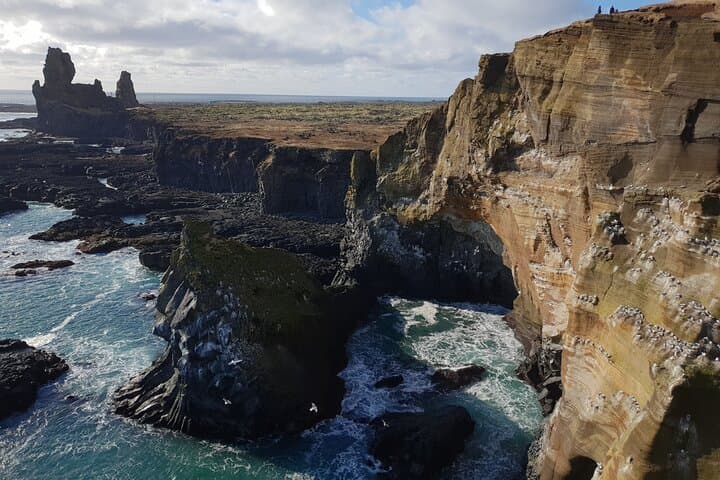

The bus eases out of Reykjavík at first light and the coastline unfolds—black sand cliffs, a glacier-capped volcano watching from the horizon, and the Atlantic air pushing at the windows. Over two days the West of Iceland reveals itself in sudden scenes: the cone of Kirkjufell rising like a church steeple, seals bobbing at Ytri-Tunga, and a network of waterfalls pouring from hardened lava.
The bus eases out of Reykjavík at first light and the coastline unfolds—black sand cliffs, a glacier-capped volcano watching from the horizon, and the Atlantic air pushing at the windows. Over two days the West of Iceland reveals itself in sudden scenes: the cone of Kirkjufell rising like a church steeple, seals bobbing at Ytri-Tunga, and a network of waterfalls pouring from hardened lava.
Geology here is immediate. Snæfellsjökull is a strato-volcano capped by ice, its flows creating the jagged headlands and basalt columns dotting the shore. Hallmundarhraun lava field feeds Hraunfossar’s delicate ledges; underground, the Viðgelmir lava tube stretches for nearly 1.6 km with color-streaked formations and stalactites formed by cooling molten rock.
Culture and history thread through towns like Borgarnes—home to Viking sagas—and small farms where horse breeders still bake rugbraud in geothermal heat. Guides will link these human stories to the land as you move between sites.
Practical side: expect long but comfortable days on a minibus, short walks on uneven ground, and a guided 90-minute lava-cave descent requiring steady footing and low passages. Dress wind- and waterproof, wear good hiking shoes, and pack a small daypack only—the tour limits luggage. Bring layers for wind and sudden weather shifts, and a reusable water bottle.
Timing matters: summer brings long daylight for shore walks; shoulder seasons offer fewer crowds and higher odds of seeing seals or the northern lights in winter. The experience balances awe with logistical simplicity: guided transfers, a cave permit included, and one overnight in Borgarnes make it accessible while keeping the focus on the raw West Iceland landscape.