THE ADVENTURE COLLECTIVE® · Independent discovery and booking for outdoor travel

Two days from Auckland take you from a silent glowworm grotto to Rotorua’s steaming geothermal parks and the cinematic green of Hobbiton. This guided tour blends natural wonder, Māori culture and movie magic with hotel accommodation and included meals.
Two days from Auckland take you from a silent glowworm grotto to Rotorua’s steaming geothermal parks and the cinematic green of Hobbiton. This guided tour blends natural wonder, Māori culture and movie magic with hotel accommodation and included meals.
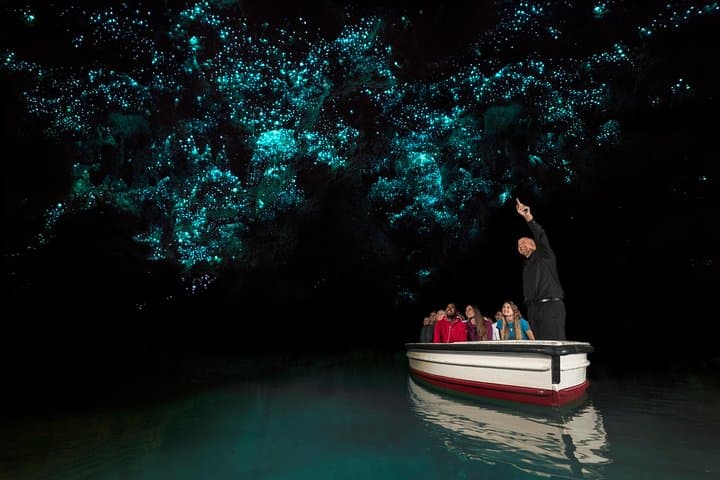
You leave Auckland before dawn and the motorway unwinds into rolling Waikato pastures; low mist clings to dairy paddocks and the bus hums toward a subterranean world. In Waitomo, limestone corridors close in and the air cools as you follow a guide into caverns lit only by the phosphorescent pulse of thousands of glowworms. Later, geothermal steam hisses at Te Puia and Rotorua’s earth feels alive—bubbling mud, geysers and sulfur-scented wind shaping the landscape.
Verified experiences and guided adventures in the surrounding area.
Operated by Discover New Zealand · Auckland, Auckland Region
You leave Auckland before dawn and the motorway unwinds into rolling Waikato pastures; low mist clings to dairy paddocks and the bus hums toward a subterranean world. In Waitomo, limestone corridors close in and the air cools as you follow a guide into caverns lit only by the phosphorescent pulse of thousands of glowworms. Later, geothermal steam hisses at Te Puia and Rotorua’s earth feels alive—bubbling mud, geysers and sulfur-scented wind shaping the landscape.
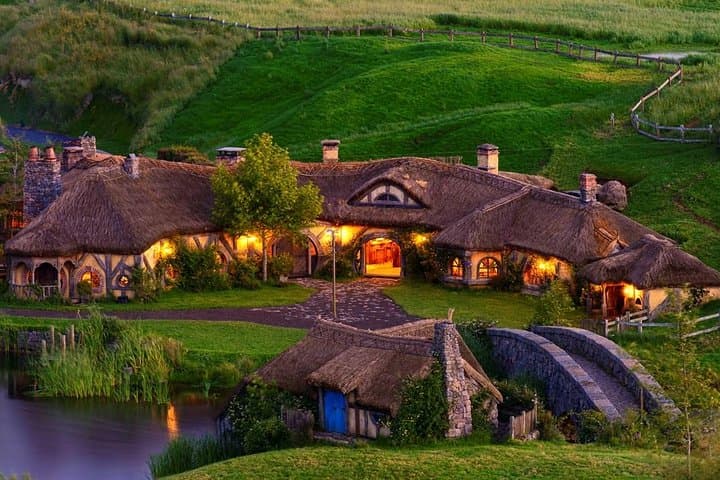
The region sits on young volcanic geology: rhyolitic eruptions created Rotorua’s caldera and underground karst dissolved ancient limestones to form Waitomo’s stalactites, stalagmites and lime columns. Māori history is woven through the itinerary—Te Puia centers Māori arts, the hangi (earth-cooked meal) and performances that trace iwi stories tied to the land and geothermal features. Hobbiton, by contrast, showcases a cinematic reworking of rural farmland into the Shire, where movie-making engineering meets pastoral charm.
Expect comfortable walking on formed paths, a short boat glide through the glowworm grotto, guided geothermal park loops and a two-hour guided Hobbiton set tour. There’s one overnight in Rotorua (3– or 4‑star options), included meals and an experienced driver-guide.
Practical tips: bring a warm layer for caves, waterproof jacket for Rotorua’s erratic showers, and low-light camera settings if you hope to photograph glowworms (flash is discouraged). Wear sturdy, closed-toe shoes for uneven boardwalks. Allow time between stops—short walks become memorable when you pause and listen: geothermal vents seethe, forests murmur, and the land keeps its own steady rhythm.
easy.
2 days (approx. 48 hours).
Suitable for most fitness levels; able to walk short distances and stand during guided tours.
Yes—families are welcome; boat cruises through the grotto are calm, but children must be supervised and remain seated during the boat portion.
Yes—this tour includes breakfast, lunch and dinner as specified, plus one night’s 3- or 4-star accommodation in Rotorua.
The tour is listed as suitable for all fitness levels and includes wheelchair-accessible transportation, but some cave areas and Hobbiton paths have steps—contact the operator ahead to discuss accessibility needs.
No—admissions to Waitomo Caves, Te Puia and Hobbiton are included; however, bring small cash for souvenirs or optional refreshments.
Waikato and Rotorua sit on land shaped by Māori settlement for centuries; geothermal features and forests have cultural and practical significance for local iwi, and Te Puia is a focal point for preserving Māori arts.
Cave ecosystems and glowworms are fragile—avoid touching formations or using lights inside caves; stick to boardwalks in geothermal areas to protect fragile ground and microbial mats.
Discover New Zealand operates guided outdoor trips and adventures with an emphasis on safety, stewardship, and memorable experiences.
You leave Auckland before dawn and the motorway unwinds into rolling Waikato pastures; low mist clings to dairy paddocks and the bus hums toward a subterranean world. In Waitomo, limestone corridors close in and the air cools as you follow a guide into caverns lit only by the phosphorescent pulse of thousands of glowworms. Later, geothermal steam hisses at Te Puia and Rotorua’s earth feels alive—bubbling mud, geysers and sulfur-scented wind shaping the landscape.
You leave Auckland before dawn and the motorway unwinds into rolling Waikato pastures; low mist clings to dairy paddocks and the bus hums toward a subterranean world. In Waitomo, limestone corridors close in and the air cools as you follow a guide into caverns lit only by the phosphorescent pulse of thousands of glowworms. Later, geothermal steam hisses at Te Puia and Rotorua’s earth feels alive—bubbling mud, geysers and sulfur-scented wind shaping the landscape.
The region sits on young volcanic geology: rhyolitic eruptions created Rotorua’s caldera and underground karst dissolved ancient limestones to form Waitomo’s stalactites, stalagmites and lime columns. Māori history is woven through the itinerary—Te Puia centers Māori arts, the hangi (earth-cooked meal) and performances that trace iwi stories tied to the land and geothermal features. Hobbiton, by contrast, showcases a cinematic reworking of rural farmland into the Shire, where movie-making engineering meets pastoral charm.
Expect comfortable walking on formed paths, a short boat glide through the glowworm grotto, guided geothermal park loops and a two-hour guided Hobbiton set tour. There’s one overnight in Rotorua (3– or 4‑star options), included meals and an experienced driver-guide.
Practical tips: bring a warm layer for caves, waterproof jacket for Rotorua’s erratic showers, and low-light camera settings if you hope to photograph glowworms (flash is discouraged). Wear sturdy, closed-toe shoes for uneven boardwalks. Allow time between stops—short walks become memorable when you pause and listen: geothermal vents seethe, forests murmur, and the land keeps its own steady rhythm.