THE ADVENTURE COLLECTIVE® · Independent discovery and booking for outdoor travel

A two-day guided paddle downstream of Paradise Dam through quiet rapids, sandy camps and rare wildlife habitat. Expect lungfish, possible platypus sightings and remote river camping with gear and transfers included.
A two-day guided paddle downstream of Paradise Dam through quiet rapids, sandy camps and rare wildlife habitat. Expect lungfish, possible platypus sightings and remote river camping with gear and transfers included.
You push off just downstream of Paradise Dam at first light, the river tightening and opening like a breathing thing. Low banks of tea-tree and casuarina lean over a ribbon of tannin-stained water; ahead are short, playful riffles and tree gardens that demand attention. By midday the river widens to broad, dray sandbars dotted with black swans and the occasional pale ripple that might be a platypus.
Verified experiences and guided adventures in the surrounding area.
Operated by Oasis Adventures · Gayndah, Queensland
You push off just downstream of Paradise Dam at first light, the river tightening and opening like a breathing thing. Low banks of tea-tree and casuarina lean over a ribbon of tannin-stained water; ahead are short, playful riffles and tree gardens that demand attention. By midday the river widens to broad, dray sandbars dotted with black swans and the occasional pale ripple that might be a platypus.
The Burnett has been a working corridor for Indigenous people and pastoralists; its bed records volcanic flows and burnt cedar logging from the 19th century. Geologically the upper reaches alternate between sandstone outcrops and broad alluvial flats—this creates the dramatic 1 km-wide sandy reach where the main channel narrows to a tight 5 m throat. Wildlife here is notable: the endangered Queensland lungfish survives in these slower pools, and you may glimpse platypus and waterfowl in morning light.
Expect two days of guided paddling and simple river-camp living: orientation and basic paddling instruction, gear issued (kayak/canoe/SUP and PFD), camping on sandy river banks, and a return transfer after lunch on day two. Terrain and conditions vary—gentle rapids, shallow rock gardens and long, exposed sandy stretches—so waterproof storage, layered clothing and insect protection matter.
Practical pointers: plan for moderate exertion, pack for sun and flies, and follow your guide’s briefings about river currents and wildlife etiquette. Nights are quiet and remote; bring a headlamp and a good sleeping pad. The trip balances easy paddling with moments that reward attention—wildlife sightings, a rocky lookout climb, and the rare sense of a river few other people travel.
moderate.
2 days (approximately 8–10 hours paddling total across 2 days).
Moderate fitness: comfortable with 3–6 hours of low-to-moderate paddling per day and basic camping.
Recommended for participants with at least a moderate fitness level; children may be accepted at the operator's discretion—check age limits during booking.
No — the tour includes orientation and basic instruction, but you should be comfortable in water and able to manoeuvre a kayak or canoe for several hours.
Common sightings include Australian lungfish in slow pools, platypus at dawn/dusk, and black swans; sightings are never guaranteed but are frequent in this remote reach.
Camps are on sandy river banks with basic, backcountry-style facilities—expect a simple pit toilet or designated privacy area and no power; the operator provides tents and cooking arrangements.
The Burnett River basin has long been used by First Nations people and later by pastoralists and timber cutters; Paradise Dam changed river flows and access when built in the late 20th century.
This stretch supports rare lungfish habitat and sensitive riparian zones—practice strict leave-no-trace, avoid disturbing wildlife, and follow the guide’s sanitation rules.
Oasis Adventures operates guided outdoor trips and adventures with an emphasis on safety, stewardship, and memorable experiences.
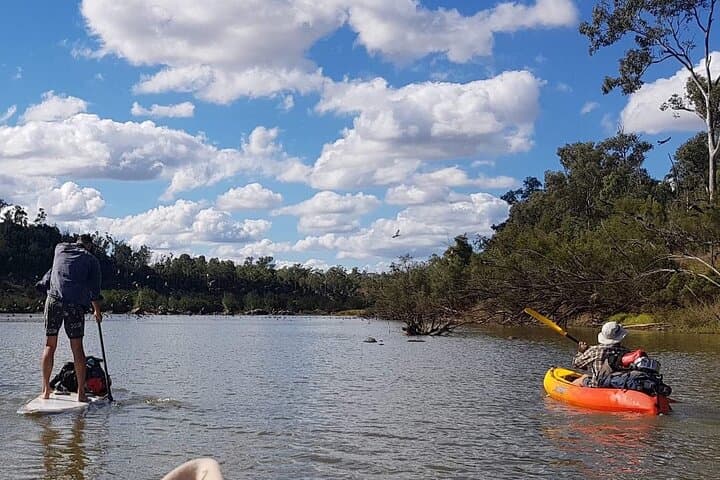
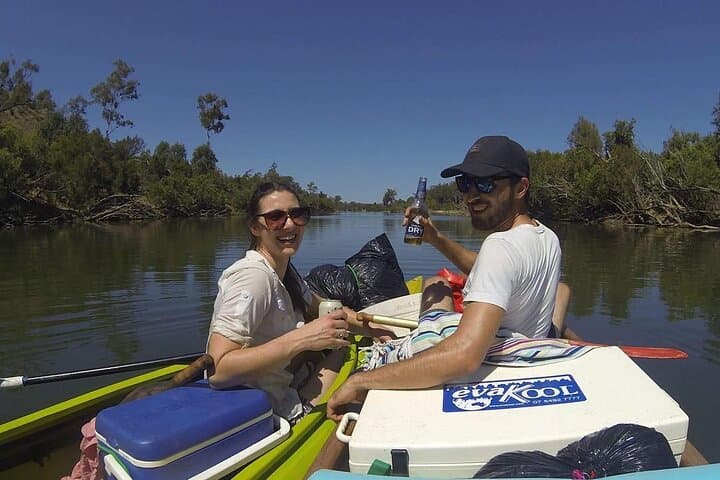
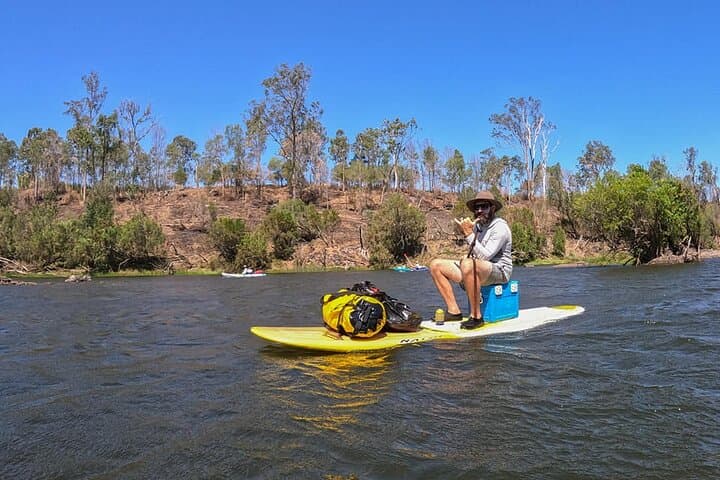
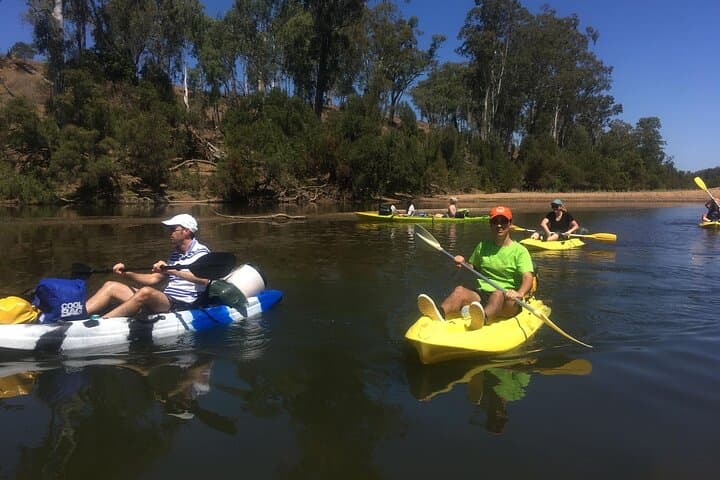
You push off just downstream of Paradise Dam at first light, the river tightening and opening like a breathing thing. Low banks of tea-tree and casuarina lean over a ribbon of tannin-stained water; ahead are short, playful riffles and tree gardens that demand attention. By midday the river widens to broad, dray sandbars dotted with black swans and the occasional pale ripple that might be a platypus.
You push off just downstream of Paradise Dam at first light, the river tightening and opening like a breathing thing. Low banks of tea-tree and casuarina lean over a ribbon of tannin-stained water; ahead are short, playful riffles and tree gardens that demand attention. By midday the river widens to broad, dray sandbars dotted with black swans and the occasional pale ripple that might be a platypus.
The Burnett has been a working corridor for Indigenous people and pastoralists; its bed records volcanic flows and burnt cedar logging from the 19th century. Geologically the upper reaches alternate between sandstone outcrops and broad alluvial flats—this creates the dramatic 1 km-wide sandy reach where the main channel narrows to a tight 5 m throat. Wildlife here is notable: the endangered Queensland lungfish survives in these slower pools, and you may glimpse platypus and waterfowl in morning light.
Expect two days of guided paddling and simple river-camp living: orientation and basic paddling instruction, gear issued (kayak/canoe/SUP and PFD), camping on sandy river banks, and a return transfer after lunch on day two. Terrain and conditions vary—gentle rapids, shallow rock gardens and long, exposed sandy stretches—so waterproof storage, layered clothing and insect protection matter.
Practical pointers: plan for moderate exertion, pack for sun and flies, and follow your guide’s briefings about river currents and wildlife etiquette. Nights are quiet and remote; bring a headlamp and a good sleeping pad. The trip balances easy paddling with moments that reward attention—wildlife sightings, a rocky lookout climb, and the rare sense of a river few other people travel.