THE ADVENTURE COLLECTIVE® · Independent discovery and booking for outdoor travel

A two-day trek from Sapa that links Ngoi Boi riverbanks, terraced fields and authentic Red Dao and Tay villages. Expect mixed trails, a village homestay and close cultural encounters across 20–30 km of hiking.
A two-day trek from Sapa that links Ngoi Boi riverbanks, terraced fields and authentic Red Dao and Tay villages. Expect mixed trails, a village homestay and close cultural encounters across 20–30 km of hiking.
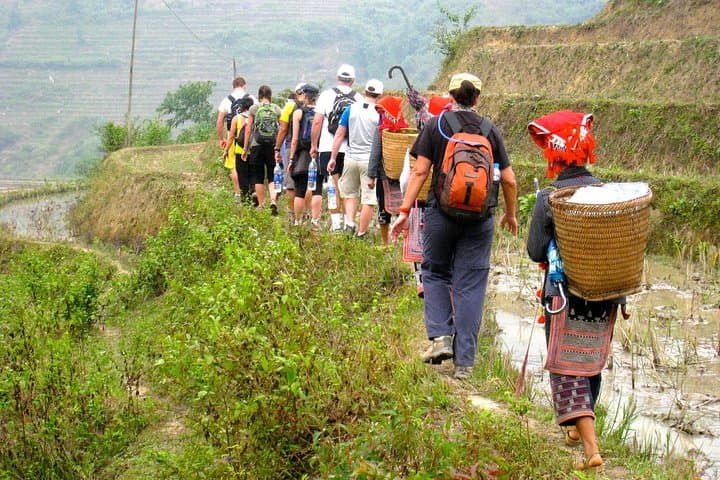
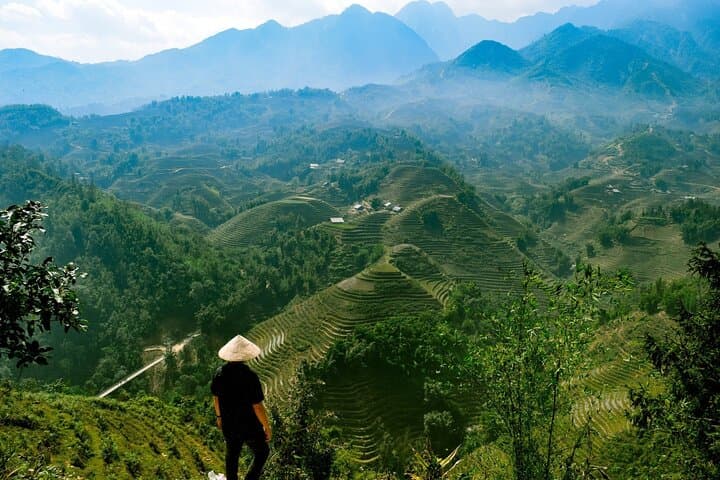
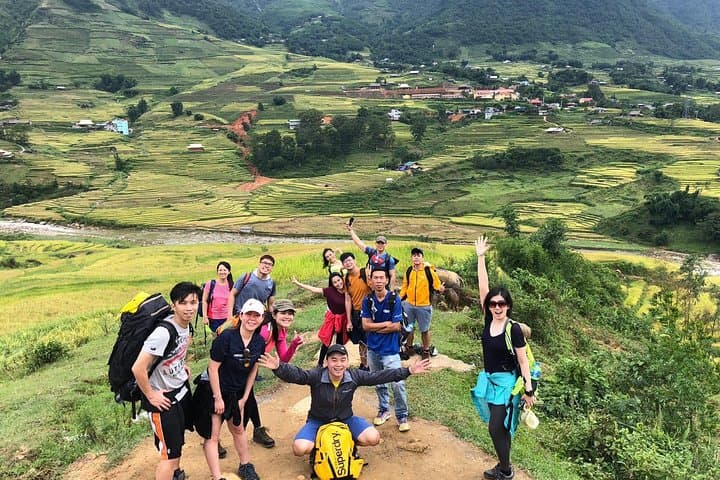
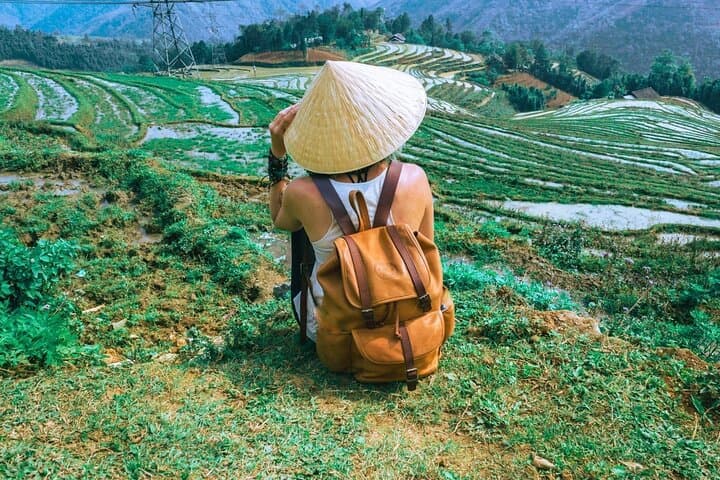
Morning mist lifts off the rice terraces as you step away from Sapa’s market life and into a landscape shaped by rain and stone. The first hours follow the Ngoi Boi River, its current nudging you along terraces and bamboo groves before the trail climbs toward Muong Bo. Over two days you cross ridgelines and village paths, trade small talk with Red Dao and Tay villagers, and spend a night in a local house where wood smoke and simple meals set the rhythm of the evening.
Verified experiences and guided adventures in the surrounding area.
Operated by Asia Travel Links · Sapa, Lào Cai Province
Morning mist lifts off the rice terraces as you step away from Sapa’s market life and into a landscape shaped by rain and stone. The first hours follow the Ngoi Boi River, its current nudging you along terraces and bamboo groves before the trail climbs toward Muong Bo. Over two days you cross ridgelines and village paths, trade small talk with Red Dao and Tay villagers, and spend a night in a local house where wood smoke and simple meals set the rhythm of the evening.
Geology here is dominated by the Hoang Lien Son range; soils carved into steep terraces, frequent limestone outcrops and glacial-polished valleys frame the views. Culturally, the trek threads through communities of Red Dao, Tay and smaller Xafo and Black Hmong groups—each with distinct dress, handicrafts and household patterns shaped by elevation and rice cultivation.
Expect roughly 20–30 km over two days with several hundred meters of ascent and descent spread across village-to-village tracks. Terrain alternates compact dirt, stone steps and wet terrace paths; rainy-season sections can be slippery. Guides and local porters accompany the group; homestay sleeping is simple but warm, with covered sleeping bags and mattresses provided.
Practical edge: start early to avoid afternoon storms, carry 1.5–3 L water, and pack layered, quick-dry clothing. Footwear with good grip matters—river crossings and muddy trails reward traction. The route offers both immersive cultural exchange and steady hiking: bring curiosity, sensible gear, and a readiness to adapt to local rhythms.
moderate.
2 days.
Moderate fitness—comfortable walking on uneven terrain for 4–7 hours per day and handling basic ascents/descents
You should have a moderate fitness level—able to hike 4–7 hours on uneven trails with some steep sections; porters are available to carry heavy luggage.
Overnight is in a local homestay or tent depending on location; hosts provide mattresses and sleeping bags, and basic shared facilities.
Yes—meals include two lunches, one dinner and one breakfast prepared locally; guides can accommodate common dietary needs with prior notice.
Mobile reception is intermittent on village trails; expect limited connectivity and plan accordingly for offline navigation and communication.
The Hoang Lien Son area has long been home to ethnic minorities whose terrace farming systems developed over centuries; Sapa became a hill station in the French colonial era, shaping early trekking routes.
Terrace agriculture and increasing tourism pressure require careful waste management—use local guides, avoid single-use plastics, and follow stick-to-trail guidance to minimize erosion.
Asia Travel Links operates guided outdoor trips and adventures with an emphasis on safety, stewardship, and memorable experiences.
Morning mist lifts off the rice terraces as you step away from Sapa’s market life and into a landscape shaped by rain and stone. The first hours follow the Ngoi Boi River, its current nudging you along terraces and bamboo groves before the trail climbs toward Muong Bo. Over two days you cross ridgelines and village paths, trade small talk with Red Dao and Tay villagers, and spend a night in a local house where wood smoke and simple meals set the rhythm of the evening.
Morning mist lifts off the rice terraces as you step away from Sapa’s market life and into a landscape shaped by rain and stone. The first hours follow the Ngoi Boi River, its current nudging you along terraces and bamboo groves before the trail climbs toward Muong Bo. Over two days you cross ridgelines and village paths, trade small talk with Red Dao and Tay villagers, and spend a night in a local house where wood smoke and simple meals set the rhythm of the evening.
Geology here is dominated by the Hoang Lien Son range; soils carved into steep terraces, frequent limestone outcrops and glacial-polished valleys frame the views. Culturally, the trek threads through communities of Red Dao, Tay and smaller Xafo and Black Hmong groups—each with distinct dress, handicrafts and household patterns shaped by elevation and rice cultivation.
Expect roughly 20–30 km over two days with several hundred meters of ascent and descent spread across village-to-village tracks. Terrain alternates compact dirt, stone steps and wet terrace paths; rainy-season sections can be slippery. Guides and local porters accompany the group; homestay sleeping is simple but warm, with covered sleeping bags and mattresses provided.
Practical edge: start early to avoid afternoon storms, carry 1.5–3 L water, and pack layered, quick-dry clothing. Footwear with good grip matters—river crossings and muddy trails reward traction. The route offers both immersive cultural exchange and steady hiking: bring curiosity, sensible gear, and a readiness to adapt to local rhythms.