THE ADVENTURE COLLECTIVE® · Independent discovery and booking for outdoor travel

See Nazca from the air, cruise past wildlife-rich Ballestas Islands, sip pisco in a vineyard and race the dunes at Huacachina on a compact 2-day coastal circuit. This fast-paced itinerary packs history, wildlife and high-adrenaline sandboarding into one overnight trip from Lima.
See Nazca from the air, cruise past wildlife-rich Ballestas Islands, sip pisco in a vineyard and race the dunes at Huacachina on a compact 2-day coastal circuit. This fast-paced itinerary packs history, wildlife and high-adrenaline sandboarding into one overnight trip from Lima.
You arrive at dawn on Peru’s arid coast and the ocean is already working—waves shaving rock, gulls quarrelling over fish, and the light throwing long shadows across wind-swept sand. The first day moves fast: a salty boat crossing to the Ballestas Islands, a vineyard tasting on the low hills, then the dunes outside Ica where the desert dares you to slide.
Verified experiences and guided adventures in the surrounding area.
Operated by Wakaya experience · Ica, Ica
You arrive at dawn on Peru’s arid coast and the ocean is already working—waves shaving rock, gulls quarrelling over fish, and the light throwing long shadows across wind-swept sand. The first day moves fast: a salty boat crossing to the Ballestas Islands, a vineyard tasting on the low hills, then the dunes outside Ica where the desert dares you to slide.
This route stitches together different histories. Paracas preserves pre-Inca cemeteries and marine traditions, while the Nazca plain holds enormous geoglyphs made by the Nazca culture between roughly 200 BCE and 600 CE. Geologically the coast is a meeting of cold Humboldt currents and uplifted plains—rich fishing grounds that shape local life and the fog that cools summer heat.
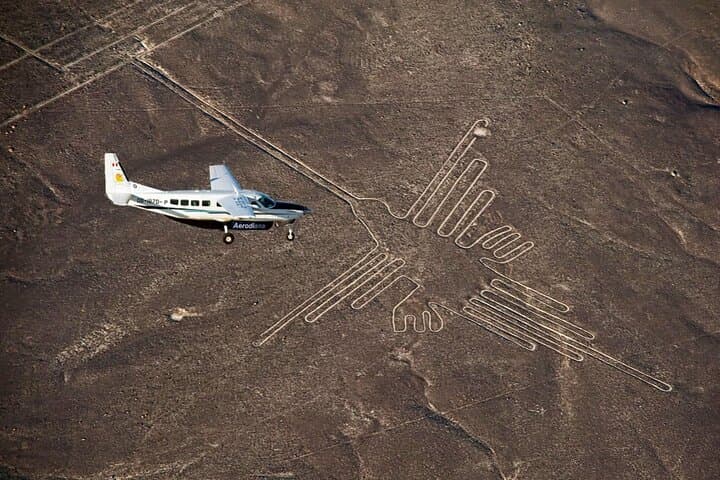
Culturally you’ll see pisco in small bottles, hear guides point out basket-weave irrigation and the practical rhythms of Ica’s vineyards. At Nazca the desert is patient—flat, salt-streaked, and almost indifferent to human scale, which is why the lines are best read from the air.
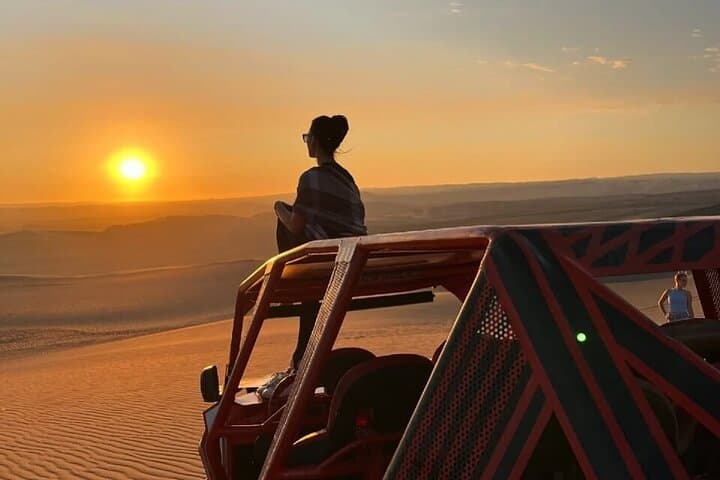
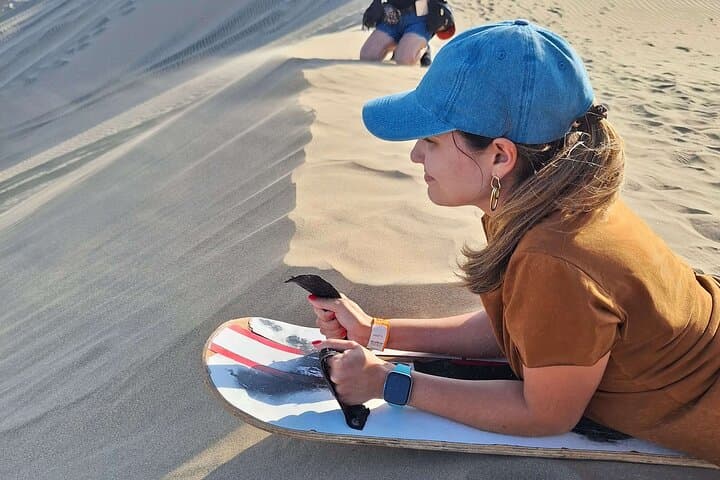
Practical guidance: the Nazca overflight lasts about 30–40 minutes and is subject to weather; book a morning flight for smoother air. On the Ballestas bring a windproof layer and motion-sickness remedies; sea spray is constant. For Huacachina, closed-toe shoes and sunscreen are essential—sandboarding runs are short but fast, with instructors giving safety briefings. Carry local currency for tips, bring a camera with a neck strap, and plan for early pickups—coastal light and winds set the pace of the days.
moderate.
2 days (approx. 48 hours).
Suitable for average fitness—short walks, boat rides, and brief sandboarding runs; not strenuous but requires mobility.
Flights typically last 30–40 minutes in the air; total airport check-in and boarding add extra time—plan for half a day.
Most operators allow children but boats are open and can be wet—supervise young kids and bring life jackets if available.
Instructors provide basic training; first runs are on gentle slopes and you can choose to sit or stand depending on comfort.
This itinerary includes transfers listed in the itinerary (Lima–Ica–Lima); confirm exact pickup point when booking.
The Nazca Lines were created by pre-Columbian peoples between roughly 200 BCE and 600 CE—large-scale geoglyphs likely tied to ritual and water-related beliefs.
The coastal and desert ecosystems are fragile; stick to paths, avoid disturbing nesting birds on the Ballestas, and support licensed operators who follow local regulations.
Wakaya experience operates guided outdoor trips and adventures with an emphasis on safety, stewardship, and memorable experiences.

You arrive at dawn on Peru’s arid coast and the ocean is already working—waves shaving rock, gulls quarrelling over fish, and the light throwing long shadows across wind-swept sand. The first day moves fast: a salty boat crossing to the Ballestas Islands, a vineyard tasting on the low hills, then the dunes outside Ica where the desert dares you to slide.
You arrive at dawn on Peru’s arid coast and the ocean is already working—waves shaving rock, gulls quarrelling over fish, and the light throwing long shadows across wind-swept sand. The first day moves fast: a salty boat crossing to the Ballestas Islands, a vineyard tasting on the low hills, then the dunes outside Ica where the desert dares you to slide.
This route stitches together different histories. Paracas preserves pre-Inca cemeteries and marine traditions, while the Nazca plain holds enormous geoglyphs made by the Nazca culture between roughly 200 BCE and 600 CE. Geologically the coast is a meeting of cold Humboldt currents and uplifted plains—rich fishing grounds that shape local life and the fog that cools summer heat.
Culturally you’ll see pisco in small bottles, hear guides point out basket-weave irrigation and the practical rhythms of Ica’s vineyards. At Nazca the desert is patient—flat, salt-streaked, and almost indifferent to human scale, which is why the lines are best read from the air.
Practical guidance: the Nazca overflight lasts about 30–40 minutes and is subject to weather; book a morning flight for smoother air. On the Ballestas bring a windproof layer and motion-sickness remedies; sea spray is constant. For Huacachina, closed-toe shoes and sunscreen are essential—sandboarding runs are short but fast, with instructors giving safety briefings. Carry local currency for tips, bring a camera with a neck strap, and plan for early pickups—coastal light and winds set the pace of the days.