THE ADVENTURE COLLECTIVE® · Independent discovery and booking for outdoor travel

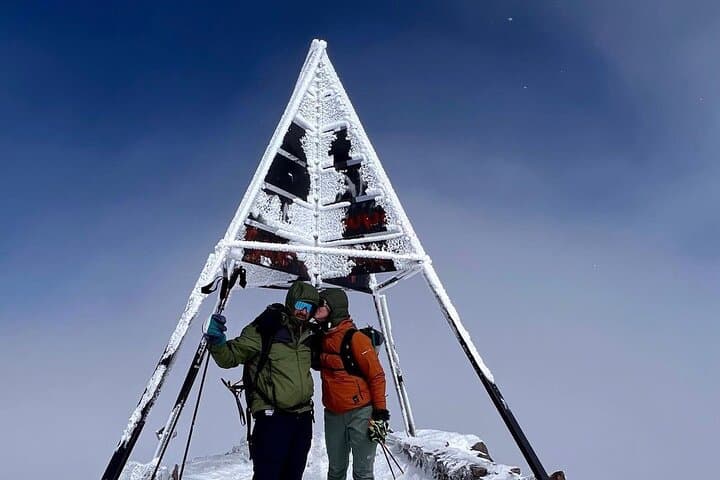
Two days of hard, rewarding trekking from Marrakech take you through Berber valleys to Refuge du Toubkal and the 4,167 m summit. Expect steep switchbacks, alpine weather shifts, and sweeping High Atlas views—ideal for fit trekkers looking for a compact summit push.
Two days of hard, rewarding trekking from Marrakech take you through Berber valleys to Refuge du Toubkal and the 4,167 m summit. Expect steep switchbacks, alpine weather shifts, and sweeping High Atlas views—ideal for fit trekkers looking for a compact summit push.
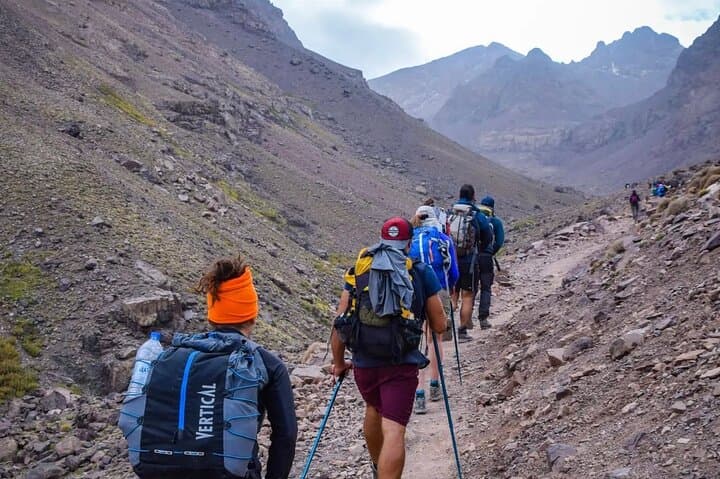
The sun lifts off Marrakech and, within an hour, the road narrows into the High Atlas: stony terraces, a scattering of flat-roofed Berber houses and the river in the valley daring you upriver. By late morning the path climbs out of Imlil and the mule tracks angle toward Refuge du Toubkal, the refuge sitting at about 3,127 m — your doorway to the 4,167 m summit.
Verified experiences and guided adventures in the surrounding area.
Operated by Karim Tours · Imlil, Marrakesh-Safi
The sun lifts off Marrakech and, within an hour, the road narrows into the High Atlas: stony terraces, a scattering of flat-roofed Berber houses and the river in the valley daring you upriver. By late morning the path climbs out of Imlil and the mule tracks angle toward Refuge du Toubkal, the refuge sitting at about 3,127 m — your doorway to the 4,167 m summit.
This route threads human history and geology: the High Atlas are young-fold mountains carved by uplift and winter storms, and villages like Imlil have long served Amazigh shepherds and muleteers who still guide climbers today. The refuge culture—simple cooking, shared rooms and guidance from local teams—reflects a mountain economy as old as the trails.
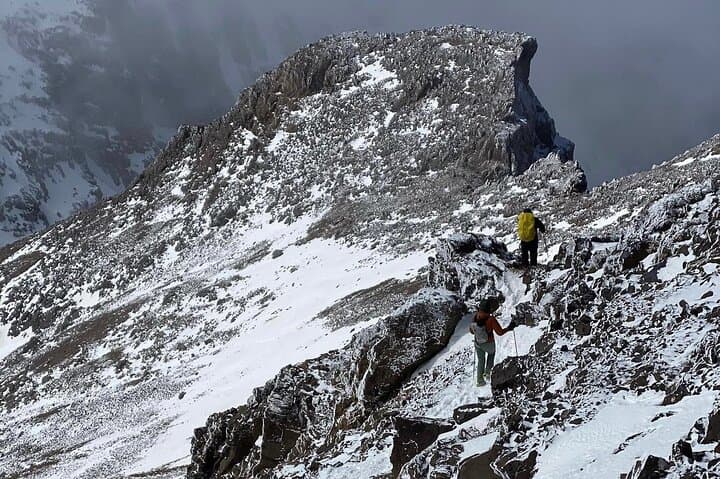
Expect steep, sustained ascents over rocky switchbacks and loose scree. Day one gains roughly 1,400 m over about 8–12 km to the refuge; day two adds about 1,000 m over 3–4 km to the summit, then returns the same way. Weather can flip quickly: clear mornings can become windy, and snow lingers at higher elevations well into spring.
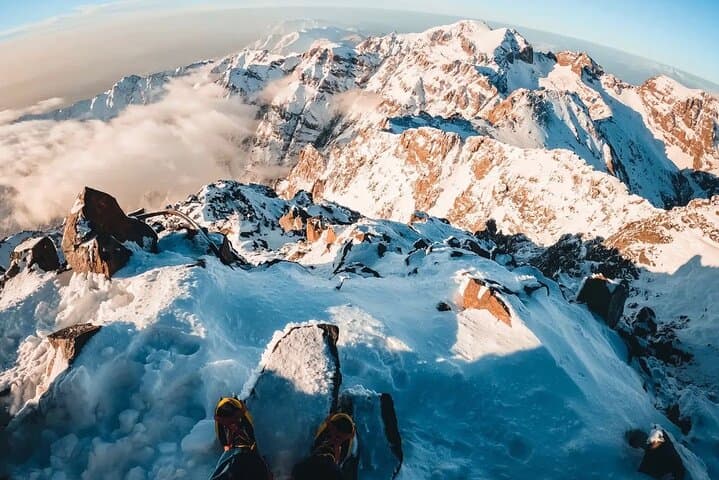
Practical edge: start pre-dawn for the summit push, carry layered insulation and a reliable headlamp, and allow time to acclimatize if you’ve arrived from near sea level. Footwear should be stiff-soled and well-broken-in; trekking poles stabilize the steep, brittle descent. Respect park rules, pack out waste, and accept mule or porter support if you prefer lighter days. The payoff is uncompromised: wide High Atlas panoramas and the rare satisfaction of standing on North Africa’s roof before returning to Marrakech’s busy streets.
challenging.
2 days (10–14 hours of trekking total).
Suitable for hikers with good cardiovascular fitness and experience on steep terrain; expect sustained climbs and high-elevation exposure.
It’s a challenging two-day itinerary with sustained elevation gain; fit hikers with prior mountain trekking experience will be most comfortable.
In summer no technical gear is usually needed beyond boots and poles; in winter crampons and an ice axe may be required—check seasonal conditions.
Overnight is in a mountain refuge offering basic beds, blankets and communal meals—expect rustic comfort rather than private hotel amenities.
Yes—local teams commonly provide mules and multers to carry luggage; it’s practical and supports local guides.
The High Atlas has long been inhabited by Amazigh (Berber) communities; Imlil and surrounding villages historically supported transhumant grazing and mule routes that guides still use today.
Toubkal lies within Toubkal National Park; stick to paths, minimize waste, and support local guides to reduce environmental impact.
Karim Tours operates guided outdoor trips and adventures with an emphasis on safety, stewardship, and memorable experiences.
The sun lifts off Marrakech and, within an hour, the road narrows into the High Atlas: stony terraces, a scattering of flat-roofed Berber houses and the river in the valley daring you upriver. By late morning the path climbs out of Imlil and the mule tracks angle toward Refuge du Toubkal, the refuge sitting at about 3,127 m — your doorway to the 4,167 m summit.
The sun lifts off Marrakech and, within an hour, the road narrows into the High Atlas: stony terraces, a scattering of flat-roofed Berber houses and the river in the valley daring you upriver. By late morning the path climbs out of Imlil and the mule tracks angle toward Refuge du Toubkal, the refuge sitting at about 3,127 m — your doorway to the 4,167 m summit.
This route threads human history and geology: the High Atlas are young-fold mountains carved by uplift and winter storms, and villages like Imlil have long served Amazigh shepherds and muleteers who still guide climbers today. The refuge culture—simple cooking, shared rooms and guidance from local teams—reflects a mountain economy as old as the trails.
Expect steep, sustained ascents over rocky switchbacks and loose scree. Day one gains roughly 1,400 m over about 8–12 km to the refuge; day two adds about 1,000 m over 3–4 km to the summit, then returns the same way. Weather can flip quickly: clear mornings can become windy, and snow lingers at higher elevations well into spring.
Practical edge: start pre-dawn for the summit push, carry layered insulation and a reliable headlamp, and allow time to acclimatize if you’ve arrived from near sea level. Footwear should be stiff-soled and well-broken-in; trekking poles stabilize the steep, brittle descent. Respect park rules, pack out waste, and accept mule or porter support if you prefer lighter days. The payoff is uncompromised: wide High Atlas panoramas and the rare satisfaction of standing on North Africa’s roof before returning to Marrakech’s busy streets.