THE ADVENTURE COLLECTIVE® · Independent discovery and booking for outdoor travel

A brisk two-day push from Imlil to the summit of Jebel Toubkal (4,167 m) that pairs classic High Atlas scenery with hands-on local guiding and a night at the mountain refuge. Expect long walking days, scree near the summit, and sweeping views across North Africa.
A brisk two-day push from Imlil to the summit of Jebel Toubkal (4,167 m) that pairs classic High Atlas scenery with hands-on local guiding and a night at the mountain refuge. Expect long walking days, scree near the summit, and sweeping views across North Africa.
You leave Marrakech before dawn and the road into the High Atlas tightens like a promise. By midmorning the valley opens—stone terraces, a ribbon river daring you up-valley, and the jagged outline of Jebel Toubkal rising above the village of Imlil. The first day moves steadily: a 5-hour climb from Imlil (1,740 m) to the Toubkal Refuge at 3,207 m, through walnut groves, dry-stone terraces and the shrine at Sidi Chamarouch.
Verified experiences and guided adventures in the surrounding area.
Operated by Toubkal Hike · Imlil, Marrakech-Safi
You leave Marrakech before dawn and the road into the High Atlas tightens like a promise. By midmorning the valley opens—stone terraces, a ribbon river daring you up-valley, and the jagged outline of Jebel Toubkal rising above the village of Imlil. The first day moves steadily: a 5-hour climb from Imlil (1,740 m) to the Toubkal Refuge at 3,207 m, through walnut groves, dry-stone terraces and the shrine at Sidi Chamarouch.
Geologically the High Atlas is young, uplifted by the collision of African and Eurasian plates; the summit is compact volcanic and metamorphic rock, often loose scree near the top. Culturally the route threads Berber villages where shepherding and terraced agriculture remain central—guides are usually local, and mountain huts reflect practical, communal mountain life.
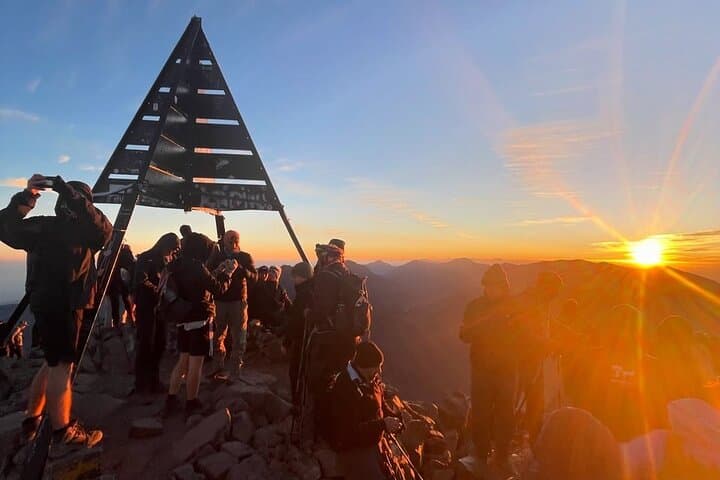
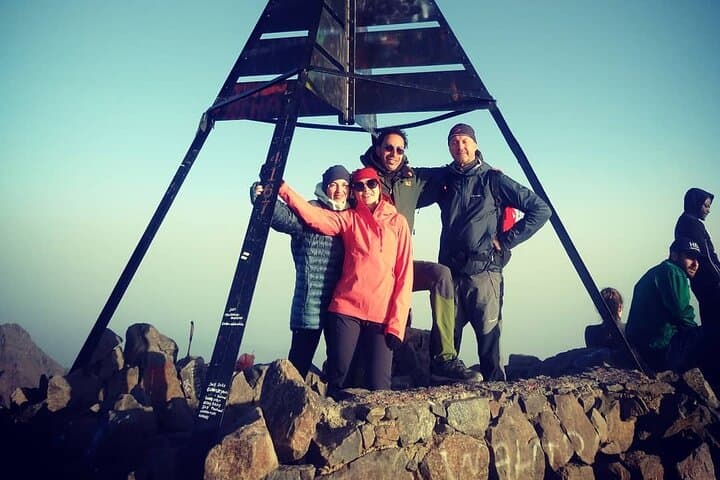
Practical guide: Day 1 gains ~1,500 m over roughly 10 km on defined trails with stone steps and scree sections near the refuge. Day 2 begins pre-dawn for the 4,167 m summit push on the south cirque—expect 8–10 hours walking with steep scree and short steeper pitches. Altitude and loose footing make pacing crucial. Carry 2–3 liters of water, layers for wind and cold, and a headlamp for the summit push. Snow can require crampons and an ice axe in winter; summer still brings cold mornings and intense sun.
Logistics: pickup from Marrakech, refuge overnight, local guide and cook provided. Respect trail etiquette, pack out waste, and allow extra time for weather and acclimatization—Toubkal rewards patience with sweeping High Atlas panoramas.
challenging.
2 days (≈15 hours hiking).
Good aerobic fitness with experience on sustained ascents and long days; comfortable carrying a 8–12 kg daypack.
You should have good cardiovascular fitness and experience with multi-hour uphill hiking; the schedule includes ~15 hours of walking over two days with significant elevation gain.
No formal permit is needed for day trekking, but guides are strongly recommended for navigation, safety, and local knowledge; most organized trips include a guide and refuge booking.
Late spring through early fall (May–October) offers the most stable conditions; winter brings snow and requires technical winter gear and experience.
Most mountain huts provide basic meals; notify the operator in advance about allergies or dietary restrictions so the cook can accommodate where possible.
The High Atlas has long been home to Amazigh (Berber) communities; routes to Toubkal pass village shrines and shepherding terraces that reflect centuries of mountain life.
The alpine environment is fragile—stay on trails, pack out waste, and support local guesthouses and guides to ensure tourism benefits mountain communities.
Toubkal Hike operates guided outdoor trips and adventures with an emphasis on safety, stewardship, and memorable experiences.
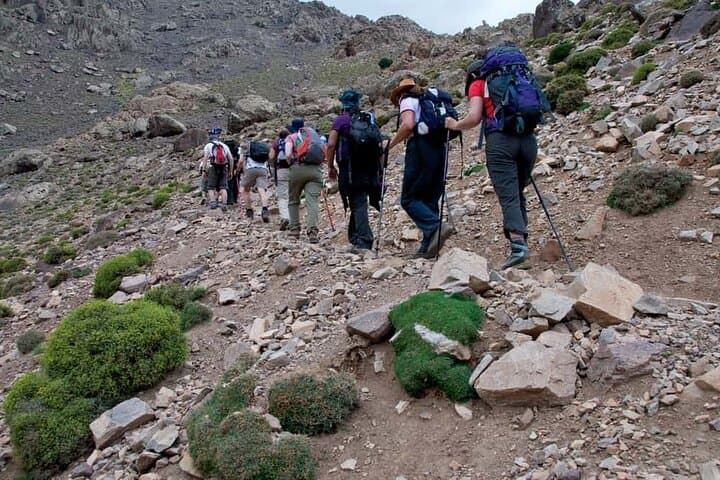
You leave Marrakech before dawn and the road into the High Atlas tightens like a promise. By midmorning the valley opens—stone terraces, a ribbon river daring you up-valley, and the jagged outline of Jebel Toubkal rising above the village of Imlil. The first day moves steadily: a 5-hour climb from Imlil (1,740 m) to the Toubkal Refuge at 3,207 m, through walnut groves, dry-stone terraces and the shrine at Sidi Chamarouch.
You leave Marrakech before dawn and the road into the High Atlas tightens like a promise. By midmorning the valley opens—stone terraces, a ribbon river daring you up-valley, and the jagged outline of Jebel Toubkal rising above the village of Imlil. The first day moves steadily: a 5-hour climb from Imlil (1,740 m) to the Toubkal Refuge at 3,207 m, through walnut groves, dry-stone terraces and the shrine at Sidi Chamarouch.
Geologically the High Atlas is young, uplifted by the collision of African and Eurasian plates; the summit is compact volcanic and metamorphic rock, often loose scree near the top. Culturally the route threads Berber villages where shepherding and terraced agriculture remain central—guides are usually local, and mountain huts reflect practical, communal mountain life.
Practical guide: Day 1 gains ~1,500 m over roughly 10 km on defined trails with stone steps and scree sections near the refuge. Day 2 begins pre-dawn for the 4,167 m summit push on the south cirque—expect 8–10 hours walking with steep scree and short steeper pitches. Altitude and loose footing make pacing crucial. Carry 2–3 liters of water, layers for wind and cold, and a headlamp for the summit push. Snow can require crampons and an ice axe in winter; summer still brings cold mornings and intense sun.
Logistics: pickup from Marrakech, refuge overnight, local guide and cook provided. Respect trail etiquette, pack out waste, and allow extra time for weather and acclimatization—Toubkal rewards patience with sweeping High Atlas panoramas.