THE ADVENTURE COLLECTIVE® · Independent discovery and booking for outdoor travel

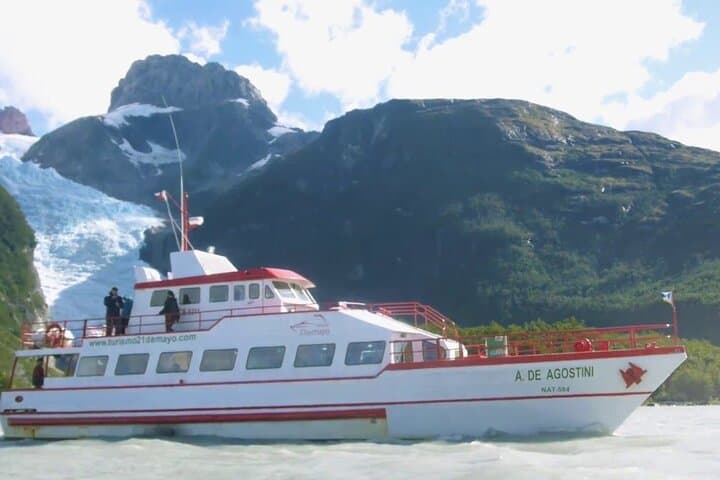
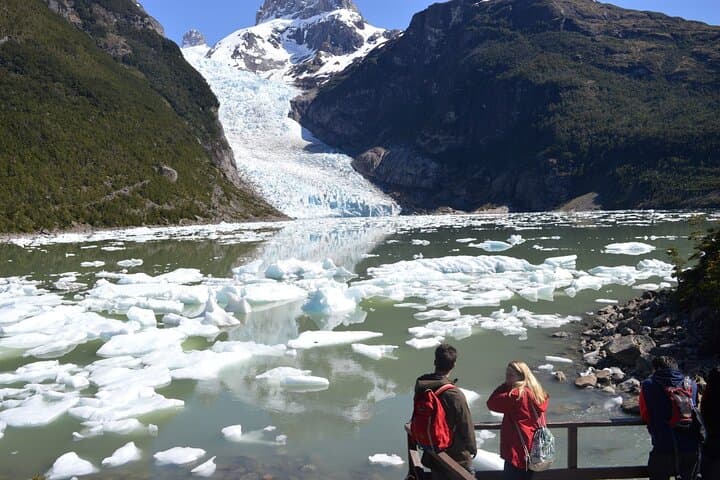
Two intense days from Puerto Natales take you into Torres del Paine’s towering granite and then by boat to Balmaceda and Serrano glaciers. Expect short hikes, dramatic viewpoints, and a Patagonian lunch on route.
Two intense days from Puerto Natales take you into Torres del Paine’s towering granite and then by boat to Balmaceda and Serrano glaciers. Expect short hikes, dramatic viewpoints, and a Patagonian lunch on route.
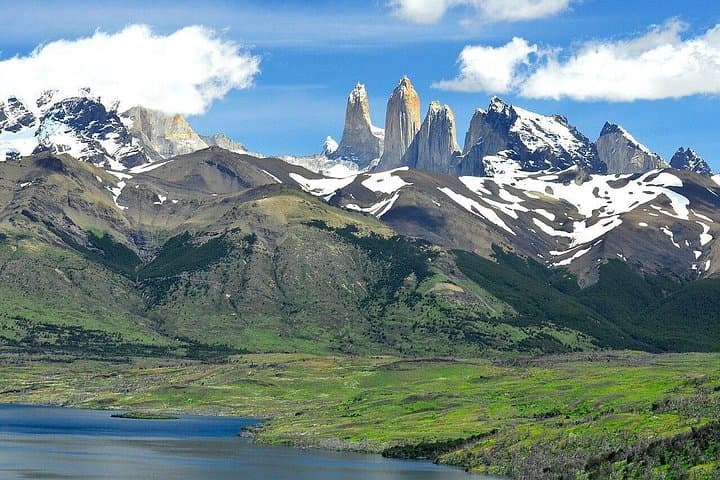
The morning air in Puerto Natales bites with wind and salt; the van eases away from town and the Paine massif pushes itself into view like a carved spine. On day one the group moves through lenga forest and scrub, past llamas’ cousins — guanacos — and over viewing points where condors wheel, the mountains daring you to look closer.
Verified experiences and guided adventures in the surrounding area.
Operated by Ruta Chile · Puerto Natales, Magallanes Region
The morning air in Puerto Natales bites with wind and salt; the van eases away from town and the Paine massif pushes itself into view like a carved spine. On day one the group moves through lenga forest and scrub, past llamas’ cousins — guanacos — and over viewing points where condors wheel, the mountains daring you to look closer.
This two-day circuit pairs two different faces of Patagonia: the granite towers and lakes of Torres del Paine and the blue-white drama of Balmaceda and Serrano glaciers. Torres del Paine sits on ancient tectonic stitches — thrust faults and glacial scours — that exposed jagged horns and deep U-shaped valleys. Milodón Cave, a stop on the route, links visitors to the region’s prehistory and the extinct giant sloth that gives the site its name.
Culturally, Última Esperanza Province blends gaucho ranching and coastal fishing traditions; expect slow-cooked lamb lunch (cordero al palo) and straightforward hospitality in Puerto Bories before boarding a sheltered vessel for the glacier navigation.
Practicalities: wear a windproof, waterproof layer and sturdy boots — trails are short but uneven. Carry a small daypack with water, sun protection and cash for park entrance fees or extras. Timing matters: light is best mid-morning and late afternoon; weather changes rapidly, so plan flexible photography windows. The trip suits travelers comfortable with long vehicle transfers and short shoreline walks; the reward is close encounters with ice and the wide, breathing landscape of Patagonia.
easy.
2 days (approx. 48 hours).
Suitable for most fitness levels; participants should be able to walk 30–90 minutes on uneven ground.
Park entrance is not explicitly listed as included; visitors should confirm with the operator and be prepared to pay the Torres del Paine entrance fee on arrival (cash or card depending on the point).
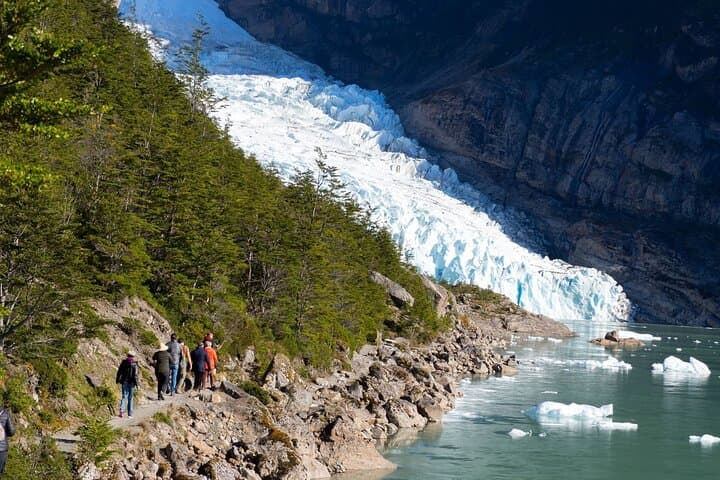
Walks are short to moderate (typically under 2 hours), mostly along marked trails and shorelines; no technical mountaineering skills required.
The navigation is in sheltered channels but can be choppy; the tour includes sheltered seating and close glacier viewpoints from the vessel.
Southern hemisphere spring to early autumn (October–March) offers milder temperatures and longer daylight, though weather remains changeable year-round.
The route crosses lands long used by Tehuelche peoples and later gaucho estancias; Milodón Cave preserves Pleistocene fossils and early human evidence.
Torres del Paine and nearby channels are managed to balance tourism and fragile ecosystems—stay on trails, pack out waste, and follow guide instructions to minimize impact.
Ruta Chile operates guided outdoor trips and adventures with an emphasis on safety, stewardship, and memorable experiences.
The morning air in Puerto Natales bites with wind and salt; the van eases away from town and the Paine massif pushes itself into view like a carved spine. On day one the group moves through lenga forest and scrub, past llamas’ cousins — guanacos — and over viewing points where condors wheel, the mountains daring you to look closer.
The morning air in Puerto Natales bites with wind and salt; the van eases away from town and the Paine massif pushes itself into view like a carved spine. On day one the group moves through lenga forest and scrub, past llamas’ cousins — guanacos — and over viewing points where condors wheel, the mountains daring you to look closer.
This two-day circuit pairs two different faces of Patagonia: the granite towers and lakes of Torres del Paine and the blue-white drama of Balmaceda and Serrano glaciers. Torres del Paine sits on ancient tectonic stitches — thrust faults and glacial scours — that exposed jagged horns and deep U-shaped valleys. Milodón Cave, a stop on the route, links visitors to the region’s prehistory and the extinct giant sloth that gives the site its name.
Culturally, Última Esperanza Province blends gaucho ranching and coastal fishing traditions; expect slow-cooked lamb lunch (cordero al palo) and straightforward hospitality in Puerto Bories before boarding a sheltered vessel for the glacier navigation.
Practicalities: wear a windproof, waterproof layer and sturdy boots — trails are short but uneven. Carry a small daypack with water, sun protection and cash for park entrance fees or extras. Timing matters: light is best mid-morning and late afternoon; weather changes rapidly, so plan flexible photography windows. The trip suits travelers comfortable with long vehicle transfers and short shoreline walks; the reward is close encounters with ice and the wide, breathing landscape of Patagonia.