THE ADVENTURE COLLECTIVE® · Independent discovery and booking for outdoor travel

Combine Tokyo’s top sights with a full-day escape to Mount Fuji and Lake Kawaguchiko. This two-day tour pairs efficient city walking with lakeside viewpoints, cultural villages, and guaranteed photo ops of Japan’s iconic peak.
Combine Tokyo’s top sights with a full-day escape to Mount Fuji and Lake Kawaguchiko. This two-day tour pairs efficient city walking with lakeside viewpoints, cultural villages, and guaranteed photo ops of Japan’s iconic peak.
Morning in Tokyo begins under a sky of towers and trains, the guide threading the group through Shibuya’s human tide toward quieter shrine grounds. By night the city hums with neon and izakaya chatter; by day the itinerary moves with purpose—Meiji Jingu’s cedar walk, Tsukiji’s fish stalls, and Akihabara’s electric streets—each stop a practical slice of urban Japan.
Verified experiences and guided adventures in the surrounding area.
Operated by Urban Passer · Fujikawaguchiko, Yamanashi
Morning in Tokyo begins under a sky of towers and trains, the guide threading the group through Shibuya’s human tide toward quieter shrine grounds. By night the city hums with neon and izakaya chatter; by day the itinerary moves with purpose—Meiji Jingu’s cedar walk, Tsukiji’s fish stalls, and Akihabara’s electric streets—each stop a practical slice of urban Japan.
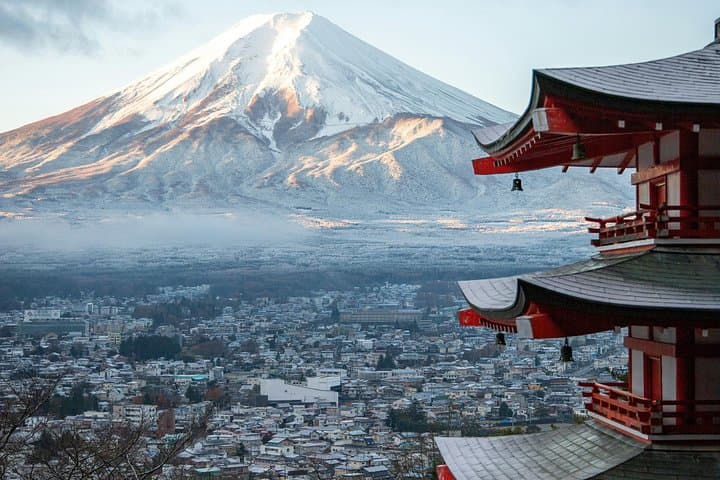
On day two the landscape shifts: the bus pushes out of the metropolis and Mt. Fuji slowly asserts itself, a volcanic dome that has shaped local religion, art and economy for centuries. The view from Mt. Nikura Asama Park and Chureito Pagoda frames Fuji’s stratovolcano profile against mirror-smooth Kawaguchiko; geology here is plain to see in lava flows and the ring of foothills carved by past eruptions. Cultural notes arrive in villages like Saiko Iyashi no Sato, where thatched roofs and craft workshops recall Edo-period rural life.
This is a hybrid trip—urban walking and light lakeside hiking rather than summit climbing—so expect paved paths, museum entrances, stairs (notably at Chureito) and short, managed trails around Kawaguchiko and Oishi Park. Weather dictates visibility: clear mornings often yield the best Fuji photos; humid afternoons can hide the peak.
Practical guidance: bring layered clothing for rapid temperature swings between Tokyo and the lake, carry local cash for small vendors, and plan to move steadily—this is two full days of sightseeing with one included night’s lodging. Hydrate between metro hops and bus transfers, and keep camera batteries charged; Fuji rewards patience and timing.
easy.
2 days (full days).
Suitable for travelers who can walk 2–4 hours across urban sites and manage short stair climbs; no strenuous hiking required.
No—this itinerary visits viewing points and lakeside areas; it does not include a summit climb or mountaineering.
One night’s hotel accommodation is included for the first night in the itinerary.
Pickup is arranged from a central Tokyo location; check your booking confirmation for the exact meeting point and time.
Yes—visibility depends on weather; clear mornings offer the best views, while haze or clouds can obscure the peak.
Mount Fuji has been a cultural and religious symbol for centuries and was designated a UNESCO World Heritage cultural site in 2013; Meiji Jingu Shrine (Tokyo) honors Emperor Meiji and Empress Shoken (built 1920).
Stay on designated paths, respect local signs in villages and parks, and avoid single-use plastics—visitor pressure around Fuji and the lakes is actively managed to protect scenic and cultural assets.
Urban Passer operates guided outdoor trips and adventures with an emphasis on safety, stewardship, and memorable experiences.
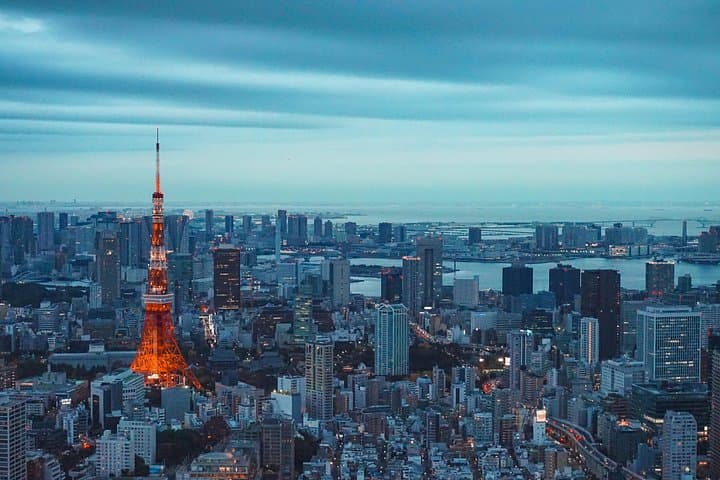
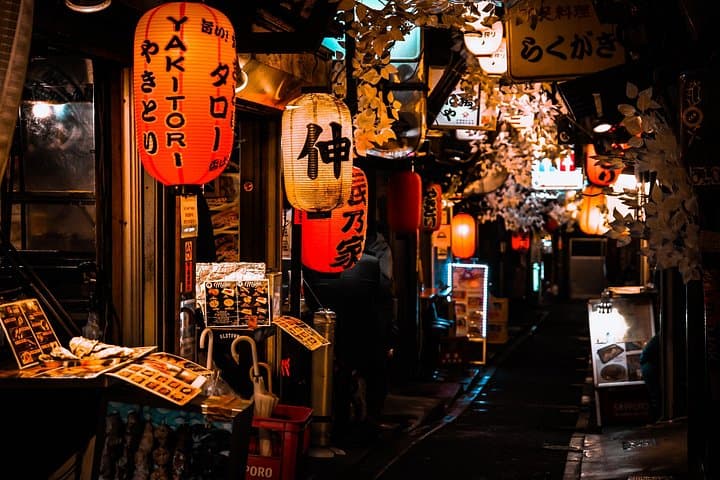
Morning in Tokyo begins under a sky of towers and trains, the guide threading the group through Shibuya’s human tide toward quieter shrine grounds. By night the city hums with neon and izakaya chatter; by day the itinerary moves with purpose—Meiji Jingu’s cedar walk, Tsukiji’s fish stalls, and Akihabara’s electric streets—each stop a practical slice of urban Japan.
Morning in Tokyo begins under a sky of towers and trains, the guide threading the group through Shibuya’s human tide toward quieter shrine grounds. By night the city hums with neon and izakaya chatter; by day the itinerary moves with purpose—Meiji Jingu’s cedar walk, Tsukiji’s fish stalls, and Akihabara’s electric streets—each stop a practical slice of urban Japan.
On day two the landscape shifts: the bus pushes out of the metropolis and Mt. Fuji slowly asserts itself, a volcanic dome that has shaped local religion, art and economy for centuries. The view from Mt. Nikura Asama Park and Chureito Pagoda frames Fuji’s stratovolcano profile against mirror-smooth Kawaguchiko; geology here is plain to see in lava flows and the ring of foothills carved by past eruptions. Cultural notes arrive in villages like Saiko Iyashi no Sato, where thatched roofs and craft workshops recall Edo-period rural life.
This is a hybrid trip—urban walking and light lakeside hiking rather than summit climbing—so expect paved paths, museum entrances, stairs (notably at Chureito) and short, managed trails around Kawaguchiko and Oishi Park. Weather dictates visibility: clear mornings often yield the best Fuji photos; humid afternoons can hide the peak.
Practical guidance: bring layered clothing for rapid temperature swings between Tokyo and the lake, carry local cash for small vendors, and plan to move steadily—this is two full days of sightseeing with one included night’s lodging. Hydrate between metro hops and bus transfers, and keep camera batteries charged; Fuji rewards patience and timing.