THE ADVENTURE COLLECTIVE® · Independent discovery and booking for outdoor travel

Two days of hiking and driving through Gheralta bring cliffside rock churches, vivid frescoes, and wide dry landscapes. This compact cultural trek combines moderate walking with guided access to some of Ethiopia’s most remarkable medieval shrines.
Two days of hiking and driving through Gheralta bring cliffside rock churches, vivid frescoes, and wide dry landscapes. This compact cultural trek combines moderate walking with guided access to some of Ethiopia’s most remarkable medieval shrines.
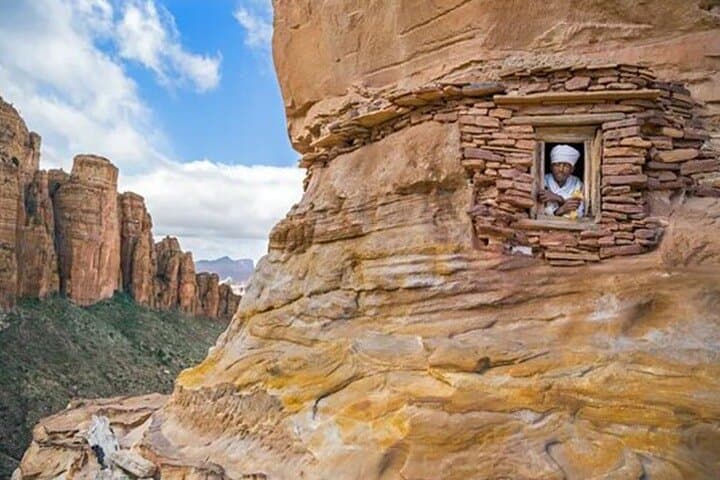
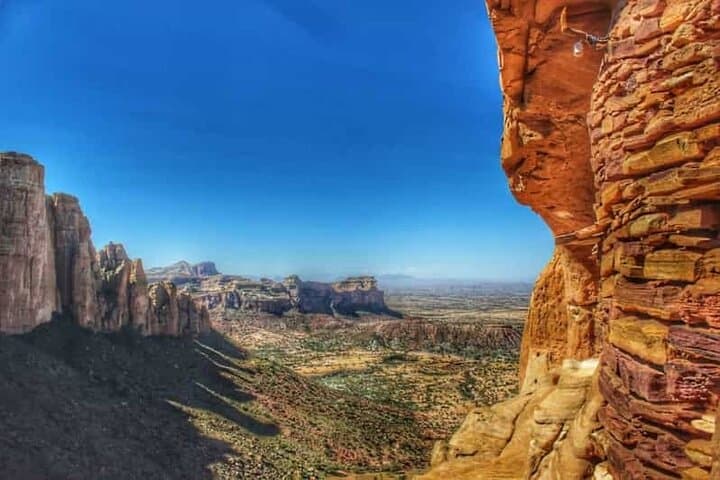
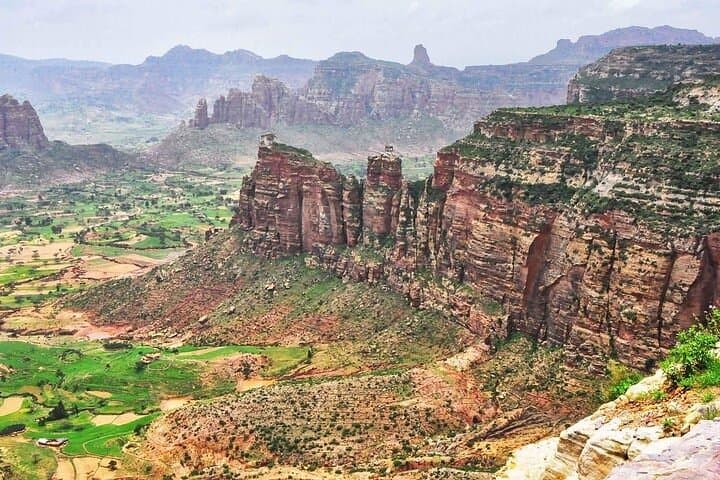
A wind-driven sun lifts dust off the red earth as you step from an air-conditioned minibus and look up at a church clinging to a vertical face — a doorway cut into stone that seems to dare you to reach it. The first day moves through narrow gullies and flat-topped plateaus; the second follows lanes that thread agricultural terraces and semi-arid scrub toward Wukro's semi-monolithic sanctuaries.
Verified experiences and guided adventures in the surrounding area.
Operated by Sun City Ethiopia Tour · Hawzen, Tigray
A wind-driven sun lifts dust off the red earth as you step from an air-conditioned minibus and look up at a church clinging to a vertical face — a doorway cut into stone that seems to dare you to reach it. The first day moves through narrow gullies and flat-topped plateaus; the second follows lanes that thread agricultural terraces and semi-arid scrub toward Wukro's semi-monolithic sanctuaries.
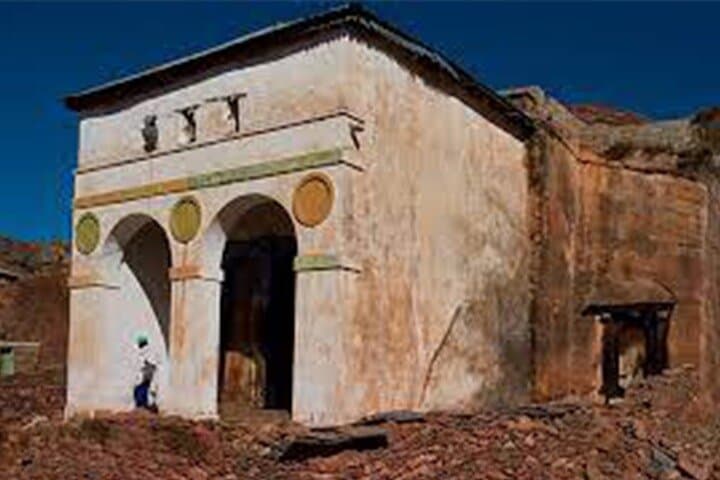
These sites belong to a long arc of Ethiopian Christianity. Many of the churches here are rock-hewn and painted from medieval periods onward; Abuna Yemata Guh and Maryam Korkor contain vivid frescoes and domes that speak to the region's role as a crossroads of faith and local craft. Geologically, the Gheralta massif is sandstone and volcanic tuff—soft enough to carve but steep enough to create dramatic cliffs that shelter shrines.
Local life punctuates the route: elders tending terraces, priests keeping liturgical hours, and shepherds guiding goats across ledges. Guides interpret iconography, explain the role of the Nine Saints, and arrange simple meals in Hawzen and Wukro.
Practical guidance: plan for dusty trails, sections of steep scrambling and short ladders at some cliff churches, and strong sunlight. Expect two days of moderate walking interspersed with drives; carry layered clothing for cool mornings and hot afternoons, ample water, and cash for small entrance donations and market purchases. Respect dress codes inside churches and follow your guide on exposed approaches. With basic fitness and steady footing, this loop delivers archaeology, sweeping panoramas, and intimacy with a living cultural landscape.
moderate.
2 days.
Good steady fitness for walking several hours each day and negotiating short steep sections; not technical endurance training.
Most visits involve short hikes (30–90 minutes) on uneven ground and several steep sections; it’s moderate rather than technical, but requires sure footing.
Yes, but modest dress is expected and some interiors restrict photography; your guide will advise on local customs and safe entry points.
The approach involves exposed ledges and handholds; organized tours use experienced guides and sometimes ropes — if you have mobility or balance concerns, discuss alternatives with the operator.
Carry Ethiopian birr for small purchases and donations; ATMs are in Mekelle, while Hawzen and Wukro have limited services, so bring cash and basic supplies.
The Gheralta and wider Tigray region preserves centuries of Christian practice; many cliff churches date from medieval centuries and reflect monastic traditions that adapted to the landscape.
Erosion and increasing visitation strain fragile sandstone approaches; stick to trails, avoid climbing on frescoed surfaces, and support local guides to ensure sustainable access.
Sun City Ethiopia Tour operates guided outdoor trips and adventures with an emphasis on safety, stewardship, and memorable experiences.
A wind-driven sun lifts dust off the red earth as you step from an air-conditioned minibus and look up at a church clinging to a vertical face — a doorway cut into stone that seems to dare you to reach it. The first day moves through narrow gullies and flat-topped plateaus; the second follows lanes that thread agricultural terraces and semi-arid scrub toward Wukro's semi-monolithic sanctuaries.
A wind-driven sun lifts dust off the red earth as you step from an air-conditioned minibus and look up at a church clinging to a vertical face — a doorway cut into stone that seems to dare you to reach it. The first day moves through narrow gullies and flat-topped plateaus; the second follows lanes that thread agricultural terraces and semi-arid scrub toward Wukro's semi-monolithic sanctuaries.
These sites belong to a long arc of Ethiopian Christianity. Many of the churches here are rock-hewn and painted from medieval periods onward; Abuna Yemata Guh and Maryam Korkor contain vivid frescoes and domes that speak to the region's role as a crossroads of faith and local craft. Geologically, the Gheralta massif is sandstone and volcanic tuff—soft enough to carve but steep enough to create dramatic cliffs that shelter shrines.
Local life punctuates the route: elders tending terraces, priests keeping liturgical hours, and shepherds guiding goats across ledges. Guides interpret iconography, explain the role of the Nine Saints, and arrange simple meals in Hawzen and Wukro.
Practical guidance: plan for dusty trails, sections of steep scrambling and short ladders at some cliff churches, and strong sunlight. Expect two days of moderate walking interspersed with drives; carry layered clothing for cool mornings and hot afternoons, ample water, and cash for small entrance donations and market purchases. Respect dress codes inside churches and follow your guide on exposed approaches. With basic fitness and steady footing, this loop delivers archaeology, sweeping panoramas, and intimacy with a living cultural landscape.