THE ADVENTURE COLLECTIVE® · Independent discovery and booking for outdoor travel

Two days in the Albanian Alps: wander stone streets in Theth, hike to the jewel-like Blue Eye and Grunas Waterfall, then climb Valbona Pass for alpine panoramas. This compact, guided loop mixes cultural stays with classic high-country hiking.
Two days in the Albanian Alps: wander stone streets in Theth, hike to the jewel-like Blue Eye and Grunas Waterfall, then climb Valbona Pass for alpine panoramas. This compact, guided loop mixes cultural stays with classic high-country hiking.
Dawn breaks over the Albanian Alps and the road climbs into a world of limestone teeth and green bowls. You step out in Theth’s stone square, air sharp, shepherd dogs warding off the quiet; the mountains seem to lean in, daring you to cross the pass.
Verified experiences and guided adventures in the surrounding area.
Operated by Visitious Tours · Theth, Shkodër County
Dawn breaks over the Albanian Alps and the road climbs into a world of limestone teeth and green bowls. You step out in Theth’s stone square, air sharp, shepherd dogs warding off the quiet; the mountains seem to lean in, daring you to cross the pass.
This two-day loop threads natural history and human story: karst plateaus carved by glaciers and streams, villages that kept Ottoman-era towers as protection against blood feuds, and high pastures where shepherds still move flocks each summer. Geology shows in sheer cliffs and the Blue Eye’s cobalt pool—an underground spring that feels like water held in a fist of rock.
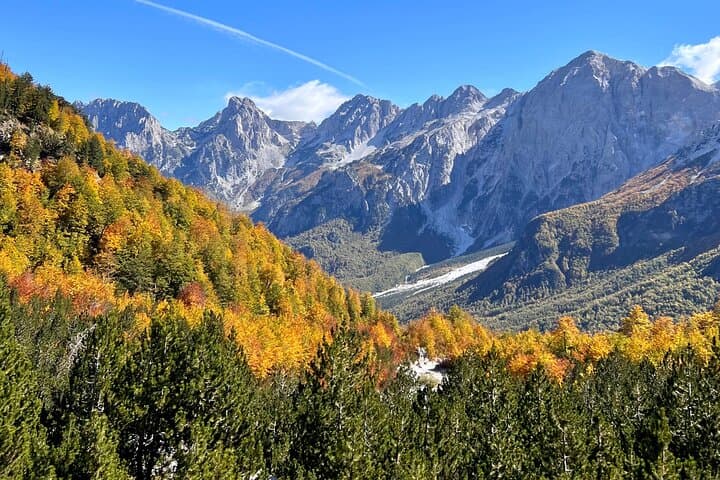
Culture here is pragmatic and warm: guesthouses feed you stews and homemade bread, and hosts trade mountain lore as readily as tea. The Valbona Pass ascent rewards steady hiking with sweeping views of the Accursed Mountains—raw, exposed, and honest.
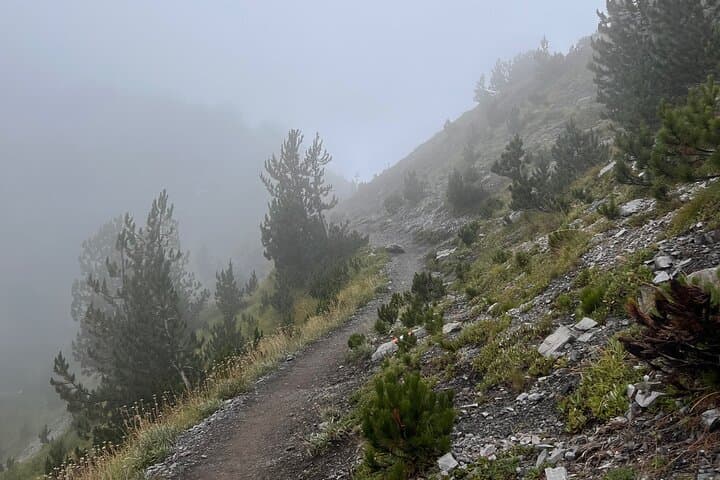
Practical guide: expect marked but rocky trails, 200–600 meters of gain on day hikes, and cold, clear springs. Wear ankle-supporting boots, pack layers and a waterproof shell, and bring snacks and at least 1.5 liters of water per day. The route suits hikers with moderate fitness; trails can be muddy after rain and the Blue Eye’s water is near-freezing even in summer.
Timing matters—start early to avoid afternoon clouds and to give yourself daylight on the descent. Respect private grazing areas and carry out rubbish; trail maintenance is minimal, so your common sense and sturdy footwear make the trip possible and memorable.
moderate.
2 days.
Moderate — comfortable with multi-hour hikes, steady uphill sections, and uneven terrain
Moderate fitness is sufficient: expect sustained uphill sections and several hours of hiking; guided pacing helps, but you should be comfortable with 500–800 m cumulative elevation gain across the day.
Overnight stays are in family-run guesthouses with simple, clean rooms and homemade meals—no luxury, but authentic local hospitality and hearty food.
The Blue Eye is stunning but fed by underground springs and very cold; a quick dip is possible for the brave, but most visitors stick to photos and the mist at Grunas for refreshment.
Summer offers the most stable conditions; spring and fall are beautiful but can bring rain and lingering snow at higher elevations—dress in layers and check forecasts.
Theth kept defensive 'lock-in' towers during blood-feud eras; the region preserves centuries-old pastoral life and Ottoman-influenced architecture.
Trails are fragile—stick to paths, avoid disturbing grazing areas, and carry out all waste; supporting local guesthouses helps keep traditional land stewardship viable.
Visitious Tours operates guided outdoor trips and adventures with an emphasis on safety, stewardship, and memorable experiences.


Dawn breaks over the Albanian Alps and the road climbs into a world of limestone teeth and green bowls. You step out in Theth’s stone square, air sharp, shepherd dogs warding off the quiet; the mountains seem to lean in, daring you to cross the pass.
Dawn breaks over the Albanian Alps and the road climbs into a world of limestone teeth and green bowls. You step out in Theth’s stone square, air sharp, shepherd dogs warding off the quiet; the mountains seem to lean in, daring you to cross the pass.
This two-day loop threads natural history and human story: karst plateaus carved by glaciers and streams, villages that kept Ottoman-era towers as protection against blood feuds, and high pastures where shepherds still move flocks each summer. Geology shows in sheer cliffs and the Blue Eye’s cobalt pool—an underground spring that feels like water held in a fist of rock.
Culture here is pragmatic and warm: guesthouses feed you stews and homemade bread, and hosts trade mountain lore as readily as tea. The Valbona Pass ascent rewards steady hiking with sweeping views of the Accursed Mountains—raw, exposed, and honest.
Practical guide: expect marked but rocky trails, 200–600 meters of gain on day hikes, and cold, clear springs. Wear ankle-supporting boots, pack layers and a waterproof shell, and bring snacks and at least 1.5 liters of water per day. The route suits hikers with moderate fitness; trails can be muddy after rain and the Blue Eye’s water is near-freezing even in summer.
Timing matters—start early to avoid afternoon clouds and to give yourself daylight on the descent. Respect private grazing areas and carry out rubbish; trail maintenance is minimal, so your common sense and sturdy footwear make the trip possible and memorable.