THE ADVENTURE COLLECTIVE® · Independent discovery and booking for outdoor travel

A brisk two-day loop from Nagoya ties Takayama’s historic streets, Shirakawa‑go’s gassho farmhouses, and the Tateyama Kurobe Alpine Route into one alpine-packed itinerary. Expect multiple transports, towering snow walls (spring), dramatic cable car vistas and an overnight in Toyama.
A brisk two-day loop from Nagoya ties Takayama’s historic streets, Shirakawa‑go’s gassho farmhouses, and the Tateyama Kurobe Alpine Route into one alpine-packed itinerary. Expect multiple transports, towering snow walls (spring), dramatic cable car vistas and an overnight in Toyama.
The bus hums out of Nagoya before dawn and the lowlands peel away into forested foothills; by evening you’re in Takayama’s wooden streets, lanterns and shopfronts quieting like a held breath. On day two the mountains take over — cable cars, electric buses and ropeways stitch you up to Murodo at 2,450 m, where wind and snow walls shape the landscape.
Verified experiences and guided adventures in the surrounding area.
Operated by Club Tourism International Inc. · Toyama, Toyama Prefecture
The bus hums out of Nagoya before dawn and the lowlands peel away into forested foothills; by evening you’re in Takayama’s wooden streets, lanterns and shopfronts quieting like a held breath. On day two the mountains take over — cable cars, electric buses and ropeways stitch you up to Murodo at 2,450 m, where wind and snow walls shape the landscape.
This itinerary links three distinct slices of central Japan: Takayama’s Edo-era merchants and morning markets, Shirakawa-go’s 250‑year‑old gassho‑zukuri farmhouses (a UNESCO site), and the engineered drama of the Tateyama Kurobe Alpine Route. Geologically the Northern Alps are young and steep; deep snowfall sculpts vertical faces and feeds the Kurobe watershed, which the dam tames and releases seasonally. Locals in Hida and Toyama retain mountain crafts and foodways — Hida beef and preserved river fish — shaped by long winters.
Expect varied transport modes, short walks to viewpoints, and ascending terrain that drops temperature roughly 12–13°C from sea level at Murodo. The Snow Corridor walk (mid‑April to late‑June) is a highlight if weather allows; Kurobe Dam’s summer discharge runs late June–mid‑October. Bring warm, layered clothing, waterproof outerwear, and comfortable walking shoes for uneven paths and viewing decks. Hydrate, carry cash for small shops, and plan for early starts if the Alpine Route is busy. The route is not technical, but altitude and weather demand respect — move deliberately, check closures, and leave extra time for transfers and photos.
moderate.
2 days.
Moderate fitness: able to stand and walk on uneven surfaces for several hours and manage brief altitude effects
The Snow Corridor walk is typically open from mid‑April to late June but dates vary yearly and the feature is weather dependent; the operator may cancel if conditions are unsafe.
Parts of the route are accessible (some cable cars and buses) but many viewpoints and village streets have steps or uneven ground; wheelchair accessibility is limited at some stops — check specifics in advance.
Breakfasts and one overnight stay are included; most lunches and dinners are on your own except where noted — bring snacks for long transfer periods.
The operator may reroute or shorten the Alpine portion and refund unused local transport fares; cancellations due to typhoons or heavy snow are decided by 3pm the day before departure.
Shirakawa‑go’s gassho‑zukuri farmhouses date back centuries and were built to shed extreme snow; Takayama preserves Edo‑period merchant architecture and seasonal markets.
The alpine flora is fragile and slow to recover; stay on trails, pack out waste, and respect seasonal closures (especially during snow removal and the Snow Corridor window).
Club Tourism International Inc. operates guided outdoor trips and adventures with an emphasis on safety, stewardship, and memorable experiences.
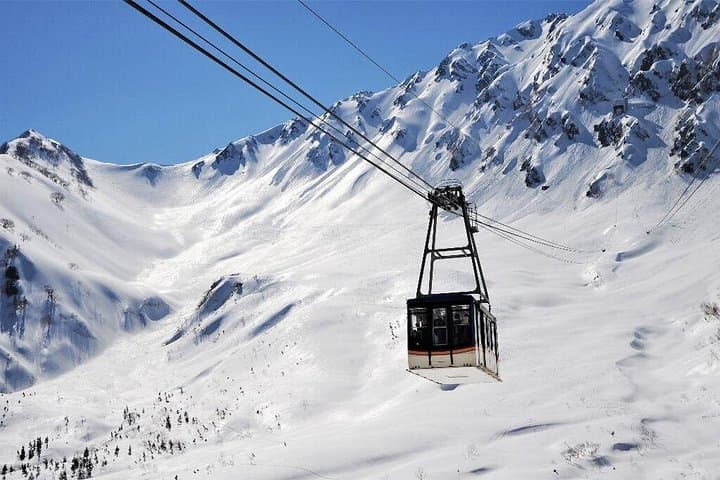
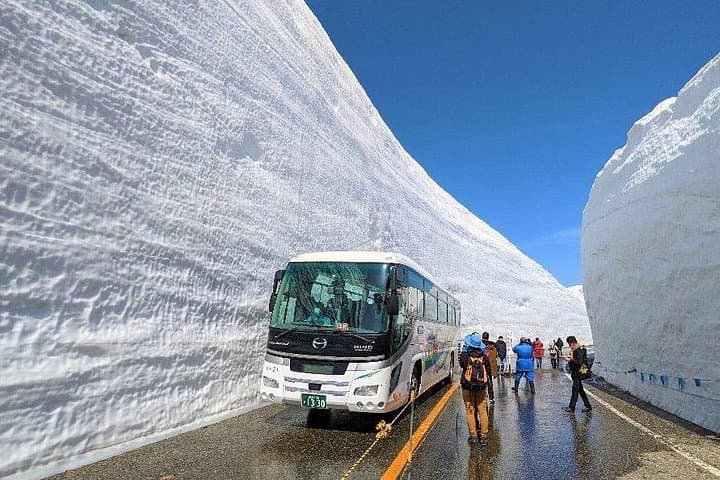
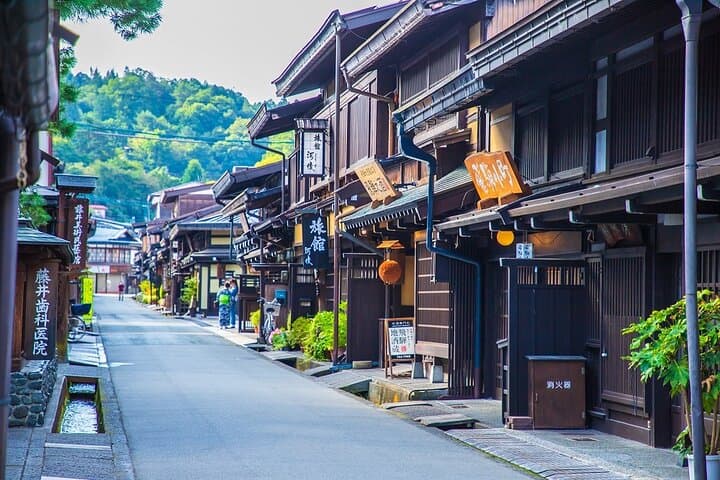
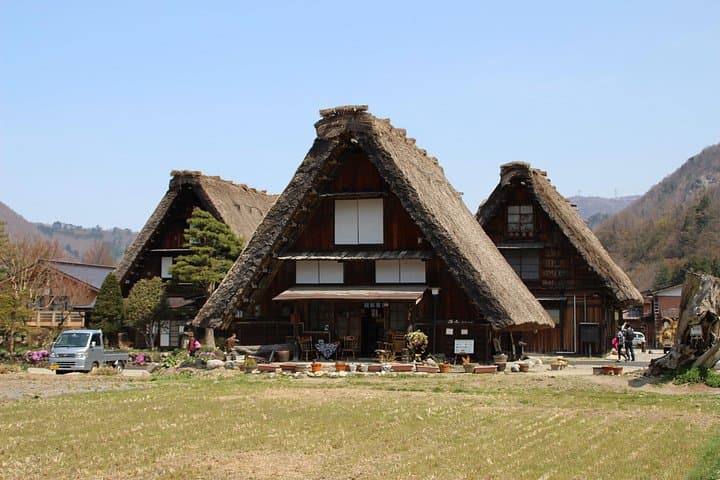
The bus hums out of Nagoya before dawn and the lowlands peel away into forested foothills; by evening you’re in Takayama’s wooden streets, lanterns and shopfronts quieting like a held breath. On day two the mountains take over — cable cars, electric buses and ropeways stitch you up to Murodo at 2,450 m, where wind and snow walls shape the landscape.
The bus hums out of Nagoya before dawn and the lowlands peel away into forested foothills; by evening you’re in Takayama’s wooden streets, lanterns and shopfronts quieting like a held breath. On day two the mountains take over — cable cars, electric buses and ropeways stitch you up to Murodo at 2,450 m, where wind and snow walls shape the landscape.
This itinerary links three distinct slices of central Japan: Takayama’s Edo-era merchants and morning markets, Shirakawa-go’s 250‑year‑old gassho‑zukuri farmhouses (a UNESCO site), and the engineered drama of the Tateyama Kurobe Alpine Route. Geologically the Northern Alps are young and steep; deep snowfall sculpts vertical faces and feeds the Kurobe watershed, which the dam tames and releases seasonally. Locals in Hida and Toyama retain mountain crafts and foodways — Hida beef and preserved river fish — shaped by long winters.
Expect varied transport modes, short walks to viewpoints, and ascending terrain that drops temperature roughly 12–13°C from sea level at Murodo. The Snow Corridor walk (mid‑April to late‑June) is a highlight if weather allows; Kurobe Dam’s summer discharge runs late June–mid‑October. Bring warm, layered clothing, waterproof outerwear, and comfortable walking shoes for uneven paths and viewing decks. Hydrate, carry cash for small shops, and plan for early starts if the Alpine Route is busy. The route is not technical, but altitude and weather demand respect — move deliberately, check closures, and leave extra time for transfers and photos.