THE ADVENTURE COLLECTIVE® · Independent discovery and booking for outdoor travel

A compact, two-day safari that pairs Tarangire’s river-fed elephant country with the enclosed biodiversity of Ngorongoro Crater. Ideal for travelers with limited time who want intensive game drives, photography, and a taste of Maasai culture.
A compact, two-day safari that pairs Tarangire’s river-fed elephant country with the enclosed biodiversity of Ngorongoro Crater. Ideal for travelers with limited time who want intensive game drives, photography, and a taste of Maasai culture.
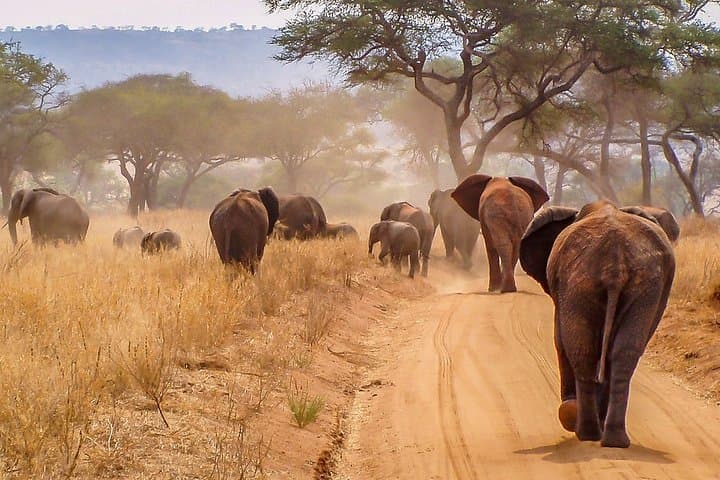
You step out of the Land Cruiser as the first light slices across the Tarangire floodplain; dust lifts like a curtain and a distant line of elephants moves toward the river. Day one is a steady, intimate schooling in East African light—acacia silhouettes, baobab trunks, and the Tarangire River daring predators and prey into visible theater.
Verified experiences and guided adventures in the surrounding area.
Operated by Pumba Adventures And Safari · Karatu, Arusha Region
You step out of the Land Cruiser as the first light slices across the Tarangire floodplain; dust lifts like a curtain and a distant line of elephants moves toward the river. Day one is a steady, intimate schooling in East African light—acacia silhouettes, baobab trunks, and the Tarangire River daring predators and prey into visible theater.
Tarangire’s low, seasonal river shaped a migration route and a reputation for dense elephant herds; the next morning the landscape shifts as you climb toward the rim of Ngorongoro Crater, the world’s largest unbroken volcanic caldera. Geology here is recent and dramatic: a collapsed volcano that now collects an enclosed ecosystem where grazing ungulates and resident predators coexist in compressed territory.
This is also Maasai country—pastoralists who have coexisted with wildlife for centuries—and the trip routes and park fees support community programs and conservation management. Expect game drives from a 4x4, photo stops at shaded clearings, and short walks around camp where permitted.
Practical guide: the itinerary runs over two days with lodge or campsite options and includes park fees, most meals, bottled water, and an English-speaking driver-guide. Days are long—wake early for the best activity and pack layers for cool crater mornings and hot afternoons. Bring binoculars, a telephoto lens, sun protection, and enough memory cards for an active camera day.
Drive times between parks can be several hours; plan for vehicle comfort, modest walking, and wildlife viewing from inside the vehicle. Respect park rules, keep distance from animals, and follow your guide’s directions for the safest and most productive sightings.
easy.
2 days (approx. 48 hours).
Suitable for most fitness levels; involves long vehicle drives, short walks, and occasional uneven terrain at viewpoints.
Expect large elephant herds in Tarangire, as well as buffalo, giraffe, zebra, wildebeest, and good chances for predators like lions; Ngorongoro offers dense populations including plains game and the resident black rhino (sightings vary).
Yes—game drives are vehicle-based and the trip is rated suitable for all fitness levels; some lodges and camps may have uneven grounds, so check specific accommodation accessibility in advance.
This package includes park and government fees as stated in the itinerary; confirm exact inclusions at booking and carry ID for vehicle permits.
Consult a travel-health clinic before travel—malaria is present in northern Tanzania and routine vaccinations (e.g., tetanus) and region-specific advice are recommended.
Ngorongoro is a collapsed volcanic caldera formed about 2–3 million years ago and is part of a conservation area that blends Maasai land use with wildlife protection.
Park fees and community tourism programs support local Maasai livelihoods and anti-poaching; stick to tracks, avoid disturbing wildlife, and minimize plastic waste.
Pumba Adventures And Safari operates guided outdoor trips and adventures with an emphasis on safety, stewardship, and memorable experiences.
You step out of the Land Cruiser as the first light slices across the Tarangire floodplain; dust lifts like a curtain and a distant line of elephants moves toward the river. Day one is a steady, intimate schooling in East African light—acacia silhouettes, baobab trunks, and the Tarangire River daring predators and prey into visible theater.
You step out of the Land Cruiser as the first light slices across the Tarangire floodplain; dust lifts like a curtain and a distant line of elephants moves toward the river. Day one is a steady, intimate schooling in East African light—acacia silhouettes, baobab trunks, and the Tarangire River daring predators and prey into visible theater.
Tarangire’s low, seasonal river shaped a migration route and a reputation for dense elephant herds; the next morning the landscape shifts as you climb toward the rim of Ngorongoro Crater, the world’s largest unbroken volcanic caldera. Geology here is recent and dramatic: a collapsed volcano that now collects an enclosed ecosystem where grazing ungulates and resident predators coexist in compressed territory.
This is also Maasai country—pastoralists who have coexisted with wildlife for centuries—and the trip routes and park fees support community programs and conservation management. Expect game drives from a 4x4, photo stops at shaded clearings, and short walks around camp where permitted.
Practical guide: the itinerary runs over two days with lodge or campsite options and includes park fees, most meals, bottled water, and an English-speaking driver-guide. Days are long—wake early for the best activity and pack layers for cool crater mornings and hot afternoons. Bring binoculars, a telephoto lens, sun protection, and enough memory cards for an active camera day.
Drive times between parks can be several hours; plan for vehicle comfort, modest walking, and wildlife viewing from inside the vehicle. Respect park rules, keep distance from animals, and follow your guide’s directions for the safest and most productive sightings.