THE ADVENTURE COLLECTIVE® · Independent discovery and booking for outdoor travel

A compact 2-day safari from Arusha that pairs Tarangire’s elephant-dominated plains with the concentrated wildlife of Ngorongoro Crater. Early starts, long game drives and knowledgeable guides deliver high-probability sightings in a short itinerary.
A compact 2-day safari from Arusha that pairs Tarangire’s elephant-dominated plains with the concentrated wildlife of Ngorongoro Crater. Early starts, long game drives and knowledgeable guides deliver high-probability sightings in a short itinerary.
You roll out of Arusha before dawn, the van’s headlights picking out baobabs like dark, knotted guards against an amber sky. By mid-morning the landscape opens: dusty tracks, flat plains threaded with termite mounds, and the slow confidence of elephant herds moving between water and shade.
Verified experiences and guided adventures in the surrounding area.
Operated by PALE TOURS AND ADVENTURE · Arusha, Arusha Region
You roll out of Arusha before dawn, the van’s headlights picking out baobabs like dark, knotted guards against an amber sky. By mid-morning the landscape opens: dusty tracks, flat plains threaded with termite mounds, and the slow confidence of elephant herds moving between water and shade.
Tarangire is the day’s first theatre — famous for concentrated elephant populations and sculptural baobab trees. Expect long-range sightings of wildebeest and zebra moving in seasonal pulses; drives here follow sandy, sometimes corrugated roads that reward patience more than speed. On day two you descend nearly 600 meters into the Ngorongoro Crater, a 20-kilometre-wide volcanic caldera covering roughly 300 square kilometres. The crater floor is a microcosm of East African wildlife: hippos in hippo pools, grazing buffalo, and the compact, predator-rich habitat where lions, black rhino and other species congregate.
This two-day loop mixes natural history and culture — Maasai pastoralism frames the region and the crater’s volcanic origin dates to a collapsed Pleistocene volcano — with practical safari logistics: early starts, full-day game drives (8–9 hours on park days), park fees and most meals included, and vehicles shared in small groups (up to seven). Bring binoculars, sun protection, and layered clothing for cool mornings and hot afternoons. Keep cameras ready but voices low: wildlife responds to calm presence. With a knowledgeable local guide, the route trades frenetic sightings for considered viewing, making this short safari ideal for travelers who want maximum wildlife exposure with minimal time in transit.
moderate.
2 days.
Moderate fitness recommended — long hours in a vehicle with short walks at viewpoints; ability to climb in and out of safari vehicles is required.
This tour lists all fees and taxes included in the price, but confirm at booking whether entrance and conservation fees are explicitly covered.
Shared tours are limited to small groups — this itinerary uses vehicles with a maximum of seven travelers per vehicle.
Children can join but check age restrictions with the operator; long days and open vehicles may be challenging for very young kids.
High probability for elephants, buffalo, zebra, wildebeest and many bird species; lions, hippos and black rhino are commonly seen in Ngorongoro but sightings cannot be guaranteed.
Ngorongoro formed when a large volcano collapsed some two to three million years ago; Maasai pastoralists have grazed the surrounding highlands for generations.
The area is a UNESCO World Heritage Site with active conservation efforts focused on balancing Maasai land use, tourism revenue and protection of species like the black rhino.
PALE TOURS AND ADVENTURE operates guided outdoor trips and adventures with an emphasis on safety, stewardship, and memorable experiences.
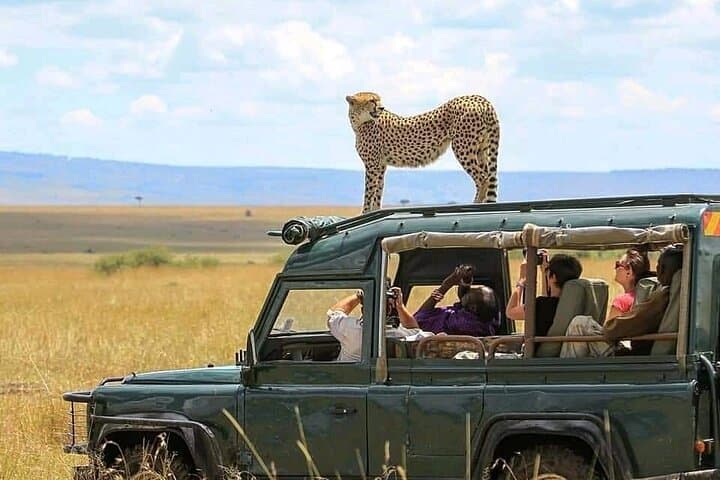
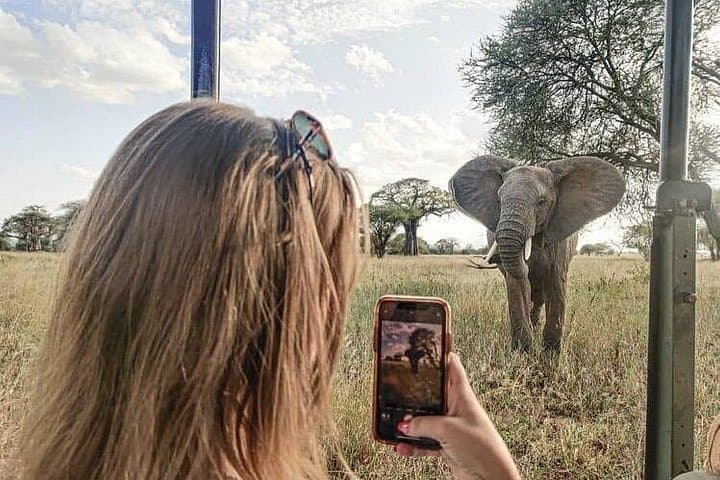


You roll out of Arusha before dawn, the van’s headlights picking out baobabs like dark, knotted guards against an amber sky. By mid-morning the landscape opens: dusty tracks, flat plains threaded with termite mounds, and the slow confidence of elephant herds moving between water and shade.
You roll out of Arusha before dawn, the van’s headlights picking out baobabs like dark, knotted guards against an amber sky. By mid-morning the landscape opens: dusty tracks, flat plains threaded with termite mounds, and the slow confidence of elephant herds moving between water and shade.
Tarangire is the day’s first theatre — famous for concentrated elephant populations and sculptural baobab trees. Expect long-range sightings of wildebeest and zebra moving in seasonal pulses; drives here follow sandy, sometimes corrugated roads that reward patience more than speed. On day two you descend nearly 600 meters into the Ngorongoro Crater, a 20-kilometre-wide volcanic caldera covering roughly 300 square kilometres. The crater floor is a microcosm of East African wildlife: hippos in hippo pools, grazing buffalo, and the compact, predator-rich habitat where lions, black rhino and other species congregate.
This two-day loop mixes natural history and culture — Maasai pastoralism frames the region and the crater’s volcanic origin dates to a collapsed Pleistocene volcano — with practical safari logistics: early starts, full-day game drives (8–9 hours on park days), park fees and most meals included, and vehicles shared in small groups (up to seven). Bring binoculars, sun protection, and layered clothing for cool mornings and hot afternoons. Keep cameras ready but voices low: wildlife responds to calm presence. With a knowledgeable local guide, the route trades frenetic sightings for considered viewing, making this short safari ideal for travelers who want maximum wildlife exposure with minimal time in transit.