THE ADVENTURE COLLECTIVE® · Independent discovery and booking for outdoor travel

A compact two-day safari that pairs Tarangire’s baobab-dotted plains with the concentrated wildlife of Ngorongoro Crater. Expect early starts, expert guides, and close encounters with Africa’s Big Five across dramatic volcanic landscapes.
A compact two-day safari that pairs Tarangire’s baobab-dotted plains with the concentrated wildlife of Ngorongoro Crater. Expect early starts, expert guides, and close encounters with Africa’s Big Five across dramatic volcanic landscapes.
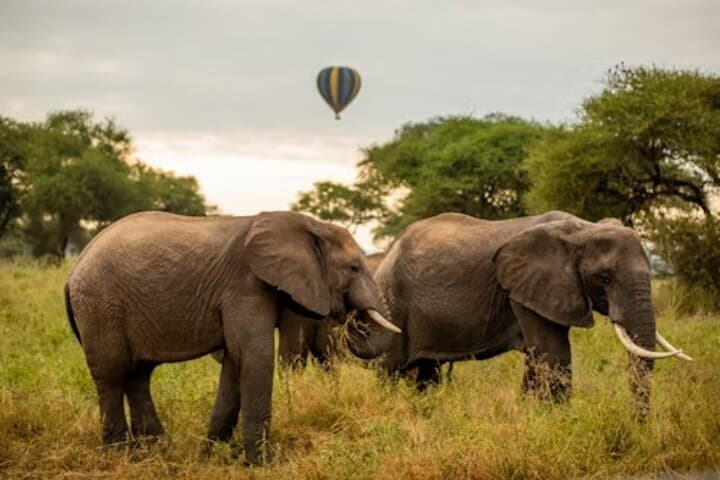
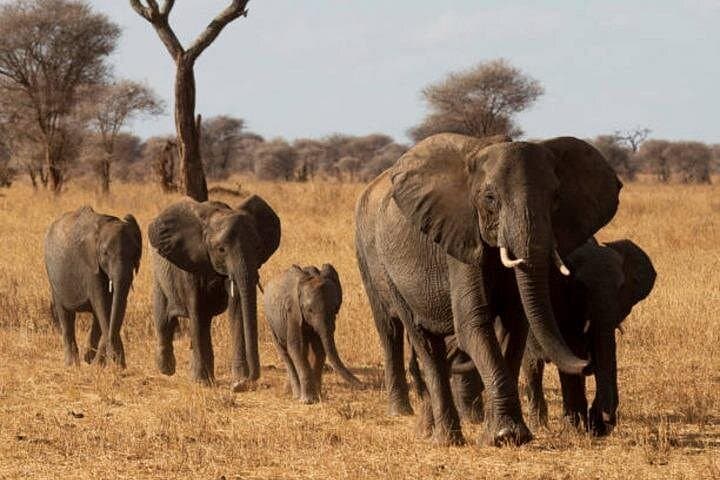
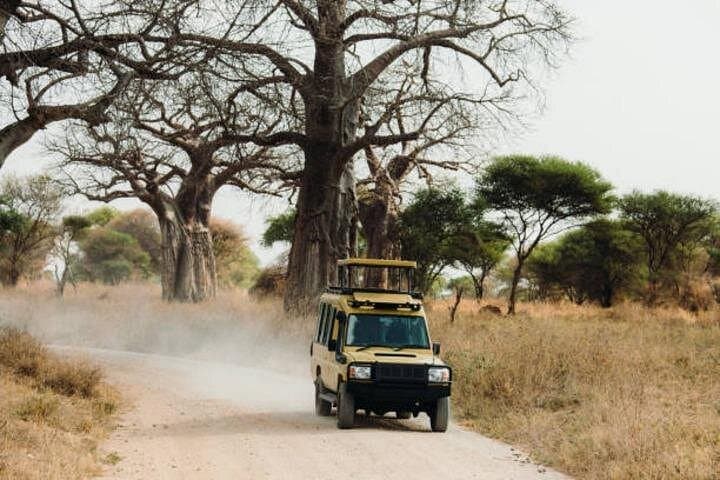
Dawn breaks over a cracked-bone horizon as the Land Cruiser threads dusty tracks between baobabs and acacia. In Tarangire, elephant herds rearrange the plain with steady trunks and the trees seem to hold their breath; the vehicle’s pop-up roof becomes a quiet observatory for stalking light and movement.
Verified experiences and guided adventures in the surrounding area.
Operated by Brea Tours and Safaris · Karatu, Arusha Region
Dawn breaks over a cracked-bone horizon as the Land Cruiser threads dusty tracks between baobabs and acacia. In Tarangire, elephant herds rearrange the plain with steady trunks and the trees seem to hold their breath; the vehicle’s pop-up roof becomes a quiet observatory for stalking light and movement.
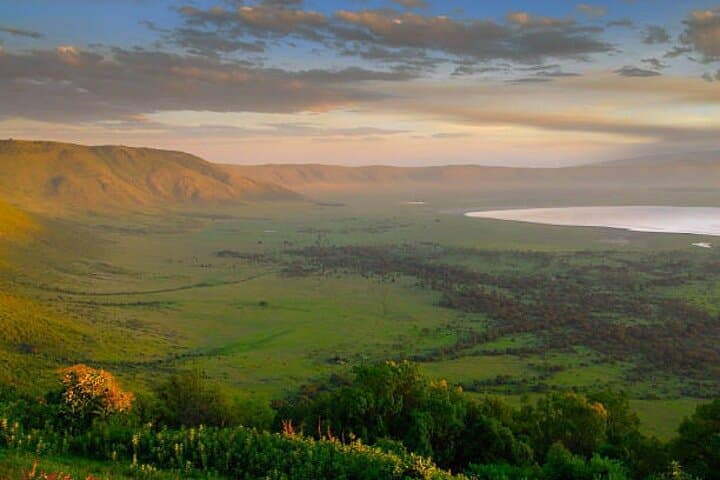
The route folds history and geology into the drive: Tarangire’s lowland plains sit on older volcanic soils while Ngorongoro’s crater is a collapsed, unbroken caldera whose rim preserves millennia of ecosystems. Maasai homesteads punctuate the drive, offering cultural context to the landscape—this is pastoral country where livestock and wildlife have negotiated boundaries for generations.
Wildlife viewing alternates between open plains and the crater’s amphitheater, where concentrated populations of buffalo, lions, rhinos and migratory birds give a compressed portrait of East African biodiversity. Guides lean on local knowledge—seasonal watering holes, predator patterns and subtle spoor—to turn sightings into stories.
Practical guidance: expect early starts, 4WD dirt roads, and long stretches inside the vehicle punctuated by short walks or viewpoint stops. Bring layered clothing for chilly mornings, sun protection for midday, and a small daypack for binoculars, camera gear and water. The itinerary includes meals and park fees; accommodations are typically mid-range in Karatu between drives. For travellers seeking a compact, high-yield safari, two days balance accessibility and sighting opportunity—move deliberately, listen to the land, and let the crater hold your attention.
easy.
2 days.
Suitable for most travelers with average mobility; minimal hiking, travel is primarily vehicle-based with brief walks.
It’s about a 2-hour drive on mostly paved and graded roads, longer if traffic or weather conditions slow the convoy.
This tour includes park fees, two lunches, dinner, and breakfast as detailed in the itinerary; confirm specifics at booking for any special diets.
Ngorongoro’s crater hosts the Big Five in concentrated numbers, and Tarangire is known for elephants and baobabs—sightings are likely but never guaranteed due to wildlife movement.
The operator lists it as suitable for most fitness levels but not recommended for pregnant travelers or those with serious spinal or cardiovascular conditions.
Ngorongoro Crater is a collapsed volcanic caldera formed approximately 2–3 million years ago; the area has supported pastoral Maasai communities for centuries.
Both parks operate under strict conservation rules and visitor limits; visitors should follow park regulations to minimize disturbance and support ongoing anti-poaching and habitat management efforts.
Brea Tours and Safaris operates guided outdoor trips and adventures with an emphasis on safety, stewardship, and memorable experiences.
Dawn breaks over a cracked-bone horizon as the Land Cruiser threads dusty tracks between baobabs and acacia. In Tarangire, elephant herds rearrange the plain with steady trunks and the trees seem to hold their breath; the vehicle’s pop-up roof becomes a quiet observatory for stalking light and movement.
Dawn breaks over a cracked-bone horizon as the Land Cruiser threads dusty tracks between baobabs and acacia. In Tarangire, elephant herds rearrange the plain with steady trunks and the trees seem to hold their breath; the vehicle’s pop-up roof becomes a quiet observatory for stalking light and movement.
The route folds history and geology into the drive: Tarangire’s lowland plains sit on older volcanic soils while Ngorongoro’s crater is a collapsed, unbroken caldera whose rim preserves millennia of ecosystems. Maasai homesteads punctuate the drive, offering cultural context to the landscape—this is pastoral country where livestock and wildlife have negotiated boundaries for generations.
Wildlife viewing alternates between open plains and the crater’s amphitheater, where concentrated populations of buffalo, lions, rhinos and migratory birds give a compressed portrait of East African biodiversity. Guides lean on local knowledge—seasonal watering holes, predator patterns and subtle spoor—to turn sightings into stories.
Practical guidance: expect early starts, 4WD dirt roads, and long stretches inside the vehicle punctuated by short walks or viewpoint stops. Bring layered clothing for chilly mornings, sun protection for midday, and a small daypack for binoculars, camera gear and water. The itinerary includes meals and park fees; accommodations are typically mid-range in Karatu between drives. For travellers seeking a compact, high-yield safari, two days balance accessibility and sighting opportunity—move deliberately, listen to the land, and let the crater hold your attention.