THE ADVENTURE COLLECTIVE® · Independent discovery and booking for outdoor travel

A concentrated two-day safari that pairs Tarangire’s elephant-dense plains with the dramatic Ngorongoro Crater, plus a stop at Meserani Snake Park and a short cultural exchange with Maasai hosts.
A concentrated two-day safari that pairs Tarangire’s elephant-dense plains with the dramatic Ngorongoro Crater, plus a stop at Meserani Snake Park and a short cultural exchange with Maasai hosts.
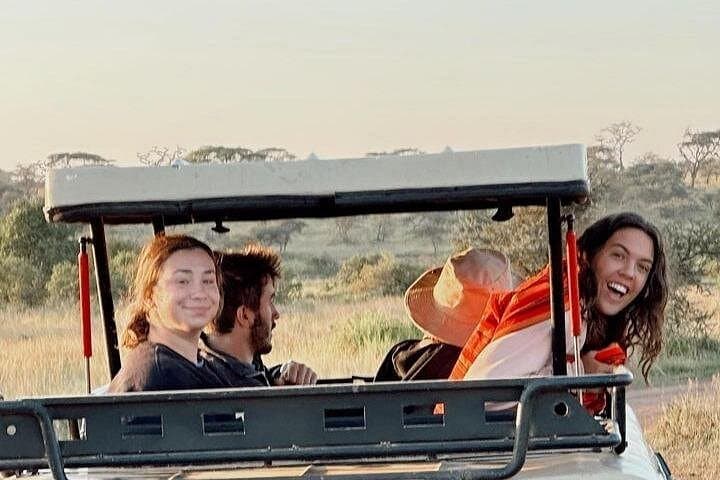
Dawn arrives in the rattle of a 4x4 and a line of headlights cutting through red-dust roads as baobabs stand like gatekeepers to Tarangire.
Verified experiences and guided adventures in the surrounding area.
Operated by ALAITOL SAFARIS · Karatu, Arusha Region
Dawn arrives in the rattle of a 4x4 and a line of headlights cutting through red-dust roads as baobabs stand like gatekeepers to Tarangire.
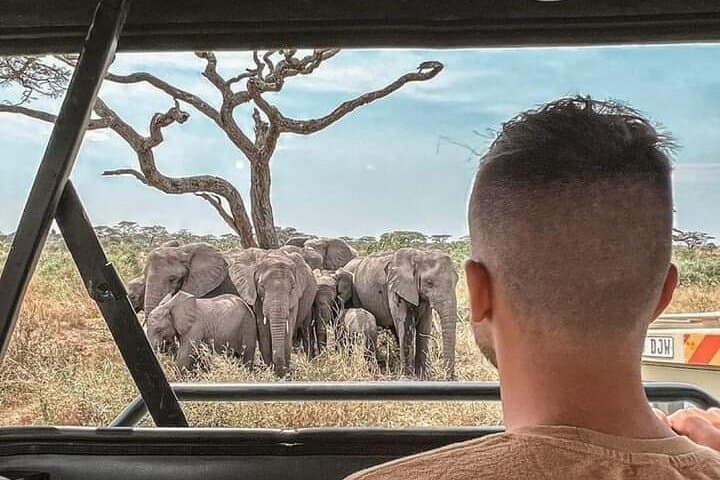
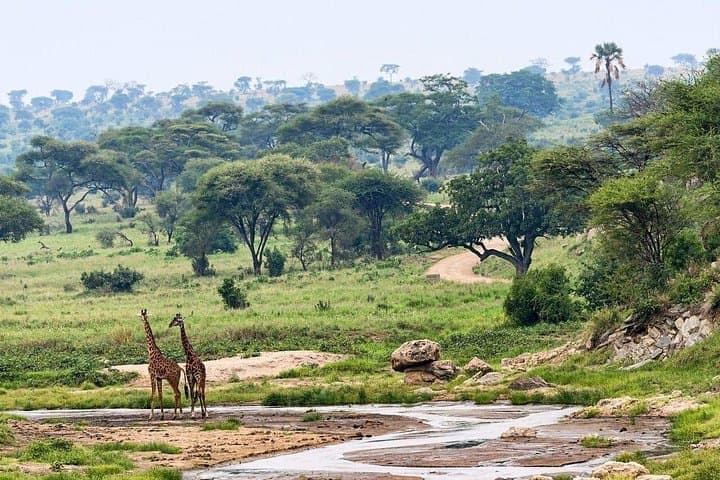
On day one you glide among elephant herds and acacia-studded floodplains; Tarangire’s wide-open terrain concentrates game against a backdrop of colossal trees. By evening the safari vehicle pulls into a lodge where lantern-lit paths and dinner close the day.
The second morning takes you over highlands toward the Ngorongoro Crater — a vast, unbroken caldera some 19 km across and roughly 600 m deep, formed when a volcano collapsed about two to three million years ago. The crater floor hosts dense grazing herds, predators, and a famous hippo pool where packed lunches are often enjoyed.
Between drives a visit to Meserani Snake Park offers close-up encounters with local reptile species and a brief Maasai cultural display — a practical stop to learn about human–wildlife relationships in the region.
Practicalities: expect early pick-ups (around 07:00 day one, 06:00 day two), long but rewarding drives between parks, and varied elevations — bring layers for cool crater rims and sun protection for midday game drives. Park fees, vehicle, meals, bottled water and overnight lodging are typically included; tipping, malaria precautions, and camera batteries are on you.
This two-day loop is compact but dense: plan binoculars, a good camera lens, and a patient schedule—wildlife appears on its own timetable.
moderate.
2 days.
Suitable for most fitness levels but expect long vehicle days, short walks at viewpoints, and intermittent bumpy roads
Malaria risk exists in northern Tanzania—consult a travel health clinic for current advice and consider prophylaxis and mosquito protection.
Most two-day safari packages include park fees, selected meals, bottled water, vehicle use and accommodation as stated in the itinerary—confirm specifics at booking.
Yes; operators often allow children but policies on age limits, seat belts and infant seats vary—confirm when booking and note long drives may be tiring for very young kids.
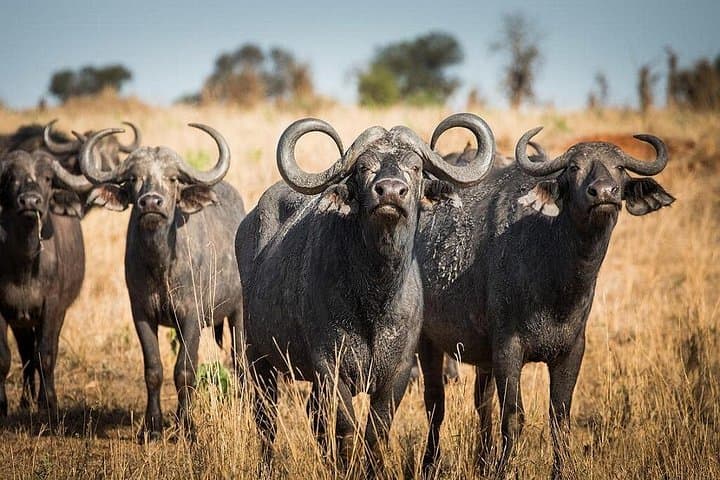
High probability of elephants in Tarangire, and good chances for lions, zebras, wildebeest, hippos and numerous bird species in Ngorongoro, though sightings are never guaranteed.
Ngorongoro formed when an ancient volcano collapsed millions of years ago; the conservation area also supports Maasai pastoralist communities with long local heritage.
The Ngorongoro Conservation Area balances wildlife protection with Maasai grazing rights; visitors are encouraged to minimize waste, follow park rules and support reputable guides to reduce ecological impact.
ALAITOL SAFARIS operates guided outdoor trips and adventures with an emphasis on safety, stewardship, and memorable experiences.
Dawn arrives in the rattle of a 4x4 and a line of headlights cutting through red-dust roads as baobabs stand like gatekeepers to Tarangire.
Dawn arrives in the rattle of a 4x4 and a line of headlights cutting through red-dust roads as baobabs stand like gatekeepers to Tarangire.
On day one you glide among elephant herds and acacia-studded floodplains; Tarangire’s wide-open terrain concentrates game against a backdrop of colossal trees. By evening the safari vehicle pulls into a lodge where lantern-lit paths and dinner close the day.
The second morning takes you over highlands toward the Ngorongoro Crater — a vast, unbroken caldera some 19 km across and roughly 600 m deep, formed when a volcano collapsed about two to three million years ago. The crater floor hosts dense grazing herds, predators, and a famous hippo pool where packed lunches are often enjoyed.
Between drives a visit to Meserani Snake Park offers close-up encounters with local reptile species and a brief Maasai cultural display — a practical stop to learn about human–wildlife relationships in the region.
Practicalities: expect early pick-ups (around 07:00 day one, 06:00 day two), long but rewarding drives between parks, and varied elevations — bring layers for cool crater rims and sun protection for midday game drives. Park fees, vehicle, meals, bottled water and overnight lodging are typically included; tipping, malaria precautions, and camera batteries are on you.
This two-day loop is compact but dense: plan binoculars, a good camera lens, and a patient schedule—wildlife appears on its own timetable.