
2-Day Tarangire & Ngorongoro Camping Safari — Crater Game Drives and Giant Elephants
A compact, two‑day camping safari that pairs Tarangire’s elephant-rich savanna with the dramatic ecology of Ngorongoro Crater. Expect long game drives, simple campsite nights, and concentrated wildlife viewing.
An Adventure In Arusha.
A compact, two‑day camping safari that pairs Tarangire’s elephant-rich savanna with the dramatic ecology of Ngorongoro Crater. Expect long game drives, simple campsite nights, and concentrated wildlife viewing.
Read the full experience
Morning light slices through acacia limbs as your convoy rolls away from Arusha, dust trailing like a pale ribbon. By noon the flatlands of Tarangire open up: baobabs loom, elephant herds move with deliberate intent and the scrub hums with birdcalls. At the Twiga campsite you’ll trade engine noise for the soft crack of campfires under a sky thick with stars.
Morning light slices through acacia limbs as your convoy rolls away from Arusha, dust trailing like a pale ribbon. By noon the flatlands of Tarangire open up: baobabs loom, elephant herds move with deliberate intent and the scrub hums with birdcalls. At the Twiga campsite you’ll trade engine noise for the soft crack of campfires under a sky thick with stars.
The next day is about vertical perspective — a 600‑meter descent into Ngorongoro Crater, a volcanic amphitheater where permanent water and fertile grass sustain dense wildlife year-round. Geography here is obvious: ancient volcanic collapse formed a high-walled basin whose rim offers expansive views and whose floor channels predators and prey into constant contact.
This short itinerary compresses two classic ecosystems: Tarangire’s seasonal elephant concentrations and baobab-studded savanna, and Ngorongoro’s crater basin with alkaline Lake Magadi and resident flamingos and hippos. Cultural context: the area sits in the traditional lands of Maasai communities whose grazing patterns and coexistence with wildlife shape landscape use.
Practical notes: expect early starts, long game-drive windows (several hours each day) and basic campsite accommodation. Pack for dust, sun, and temperature swings from hot days to chilly nights. Bring binoculars and a camera with a telephoto lens for wildlife, and confirm whether park fees and transfers are included before arrival. For travelers seeking concentrated, affordable wildlife viewing with a camping element, this two‑day loop delivers high-impact sightings and straightforward logistics.
Frequently asked questions
Policies vary by operator—many packages include park fees but always confirm on booking and carry proof of payment.
This is a group camping safari; expect shared campsites with provided sleeping mats and tents but bring personal sleeping bags if you prefer more warmth.
Yes—Ngorongoro and Tarangire are in malaria zones; consult a travel clinic for recommended prophylaxis and follow mosquito‑bite prevention measures.
Most group safaris use 4x4 vehicles with pop-up roofs or open sides for viewing; check with the operator for seating layouts and accessibility needs.
About This Experience
Suricata Safaris operates guided outdoor trips and adventures with an emphasis on safety, stewardship, and memorable experiences.
Adventure tips
Recommended gear
- Binoculars (8x–10x): Helps identify distant predators, birds, and subtle movements across plains.
- Sturdy closed-toe shoes: Useful for short walks at campsites and rocky crater viewpoints.
- Sun protection (hat & sunscreen): Midday sun is strong on the open plains and crater floor.
- Warm midlayer or down jacket: Nights at campsites and mornings on the crater rim can be sharply cool.
Photos of the experience
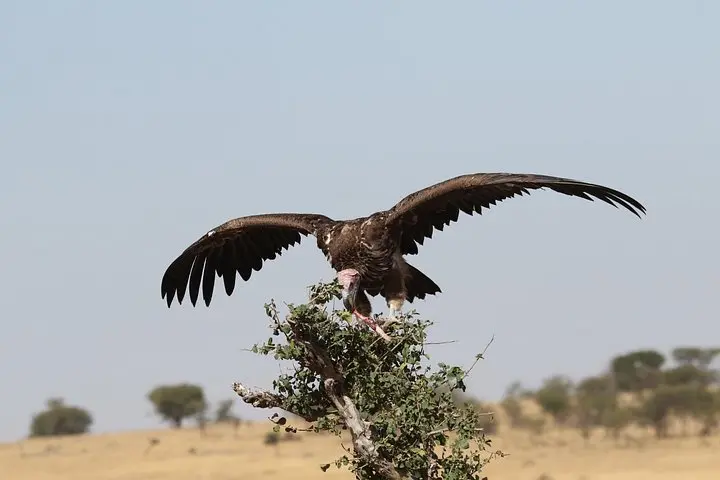
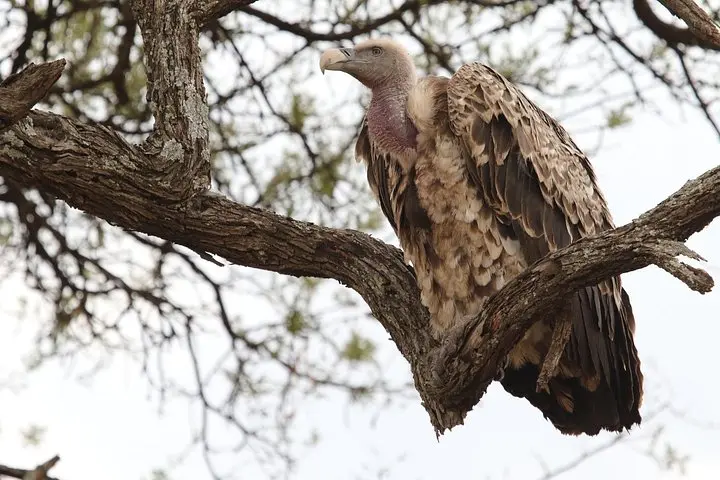
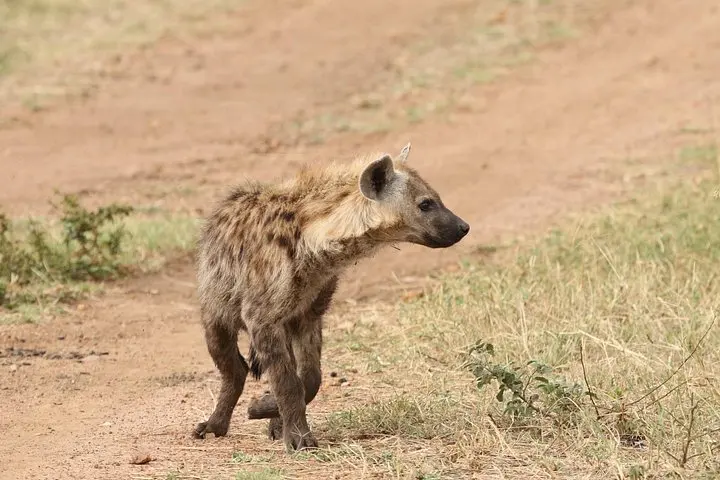
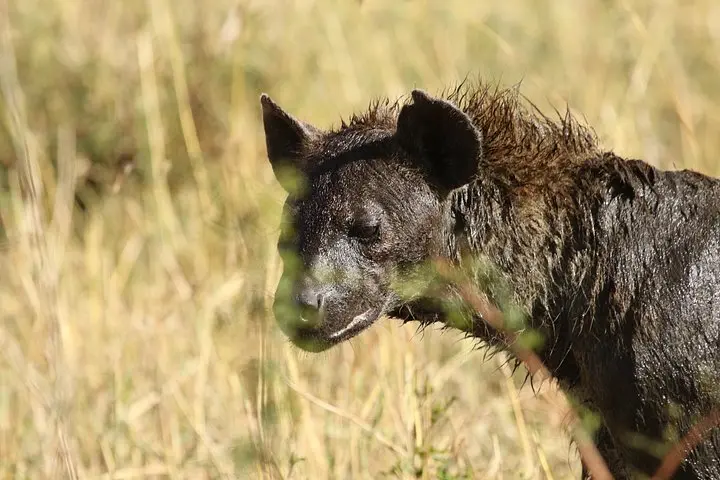
Related adventures & guides
Read the full experience
Morning light slices through acacia limbs as your convoy rolls away from Arusha, dust trailing like a pale ribbon. By noon the flatlands of Tarangire open up: baobabs loom, elephant herds move with deliberate intent and the scrub hums with birdcalls. At the Twiga campsite you’ll trade engine noise for the soft crack of campfires under a sky thick with stars.
Morning light slices through acacia limbs as your convoy rolls away from Arusha, dust trailing like a pale ribbon. By noon the flatlands of Tarangire open up: baobabs loom, elephant herds move with deliberate intent and the scrub hums with birdcalls. At the Twiga campsite you’ll trade engine noise for the soft crack of campfires under a sky thick with stars.
The next day is about vertical perspective — a 600‑meter descent into Ngorongoro Crater, a volcanic amphitheater where permanent water and fertile grass sustain dense wildlife year-round. Geography here is obvious: ancient volcanic collapse formed a high-walled basin whose rim offers expansive views and whose floor channels predators and prey into constant contact.
This short itinerary compresses two classic ecosystems: Tarangire’s seasonal elephant concentrations and baobab-studded savanna, and Ngorongoro’s crater basin with alkaline Lake Magadi and resident flamingos and hippos. Cultural context: the area sits in the traditional lands of Maasai communities whose grazing patterns and coexistence with wildlife shape landscape use.
Practical notes: expect early starts, long game-drive windows (several hours each day) and basic campsite accommodation. Pack for dust, sun, and temperature swings from hot days to chilly nights. Bring binoculars and a camera with a telephoto lens for wildlife, and confirm whether park fees and transfers are included before arrival. For travelers seeking concentrated, affordable wildlife viewing with a camping element, this two‑day loop delivers high-impact sightings and straightforward logistics.
Make a day of it nearby.
Verified experiences and guided adventures in the surrounding area.