THE ADVENTURE COLLECTIVE® · Independent discovery and booking for outdoor travel

Two concentrated safari days from Arusha take you into Tarangire’s elephant-rich plains and the alkaline shores of Lake Manyara where flamingos and tree-climbing lions await. Ideal for travelers who want a compact, wildlife-heavy experience with lodge overnight.
Two concentrated safari days from Arusha take you into Tarangire’s elephant-rich plains and the alkaline shores of Lake Manyara where flamingos and tree-climbing lions await. Ideal for travelers who want a compact, wildlife-heavy experience with lodge overnight.
You roll out of Arusha before dawn and the road opens into the Rift Valley: flat scrub, baobab silhouettes and a sky that pushes color onto the horizon. On day one the vehicles thread into Tarangire National Park where the river and seasonal swamps literally pull animals across the plains — elephant herds cluster like slow-moving islands and acacia canopies shade prowling predators.
Verified experiences and guided adventures in the surrounding area.
Operated by Safari Njema Adventures · Arusha, Arusha Region
You roll out of Arusha before dawn and the road opens into the Rift Valley: flat scrub, baobab silhouettes and a sky that pushes color onto the horizon. On day one the vehicles thread into Tarangire National Park where the river and seasonal swamps literally pull animals across the plains — elephant herds cluster like slow-moving islands and acacia canopies shade prowling predators.
Tarangire sits on the rift’s eastern flank; its geology is a mix of volcanic soils and sedimentary floodplains that create those broad, dusty plains and permanent river channels. The park’s cultural history ties to Maasai pastoralists whose seasonal movements shaped the landscape long before formal protection; you’ll pass small villages and cattle tracks near the park boundary.
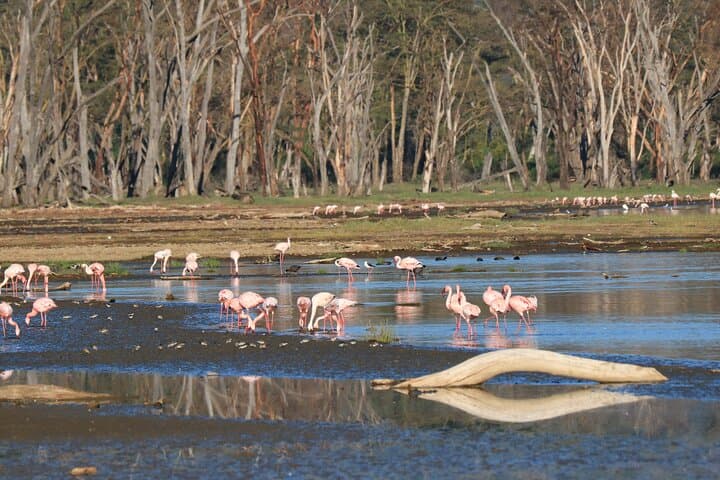
Day two moves west to Lake Manyara, a shallow alkaline lake framed by groundwater-fed forests. The lake’s chemistry favors flamingos and cormorants, while the forested rim supports troops of baboons and the occasional lion that climbs into low branches for shade.
Practical edge: safari days are long but low-impact physically — most time is spent on light-bashed tracks in an open 4x4. Pack a sun hat, binoculars and a refillable water bottle; expect dusty roads and strong midday sun. Timing matters: the dry season concentrates game and makes sightings more predictable, while the wet season brings dramatic bird numbers and lush scenery. Guides handle logistics and park fees; bring local currency for tips and small purchases. This short loop is compact, wildlife-rich and ideal for travelers who want a high-return safari in two focused days.
moderate.
2 days.
Lower-body strength not required; should be comfortable sitting in a vehicle for several hours and able to climb into a high-clearance 4x4.
Yes—this itinerary lists park fees, meals (breakfast, lunch, dinner) and transportation as included; confirm specifics at booking.
Neutral-colored clothing, a light jacket for mornings, a sun hat and closed-toe shoes are best; avoid bright colors that attract insects.
No—game drives are vehicle-based and suitable for most fitness levels, though bumpy tracks require stable seating and basic mobility to climb in and out.
Yes—malaria is present in northern Tanzania; consult a travel clinic for prophylaxis and use mosquito repellent at lodges.
Tarangire and Manyara lie within the Great Rift Valley — human communities and migratory routes have shaped the parks’ ecology for centuries, with Maasai pastoralists historically managing grazing corridors.
Both parks face pressure from expanding agriculture and water-use changes; visiting with licensed operators helps fund park fees and community conservation programs.
Safari Njema Adventures operates guided outdoor trips and adventures with an emphasis on safety, stewardship, and memorable experiences.
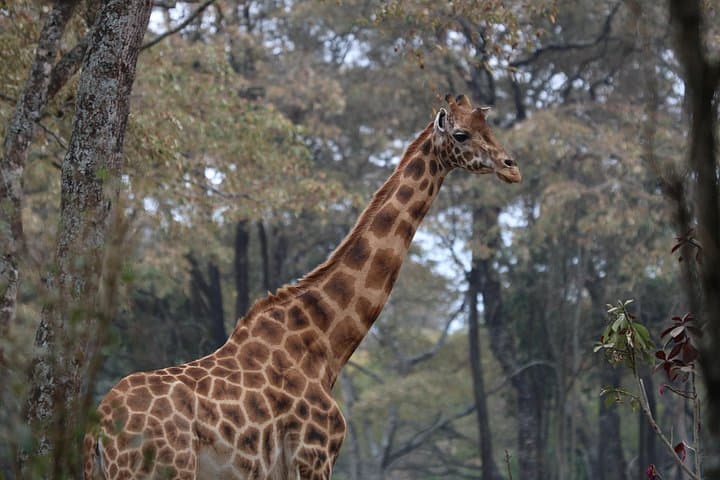
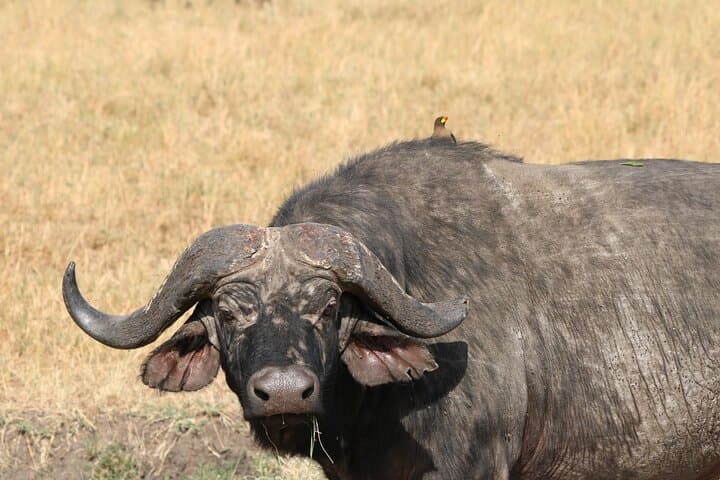
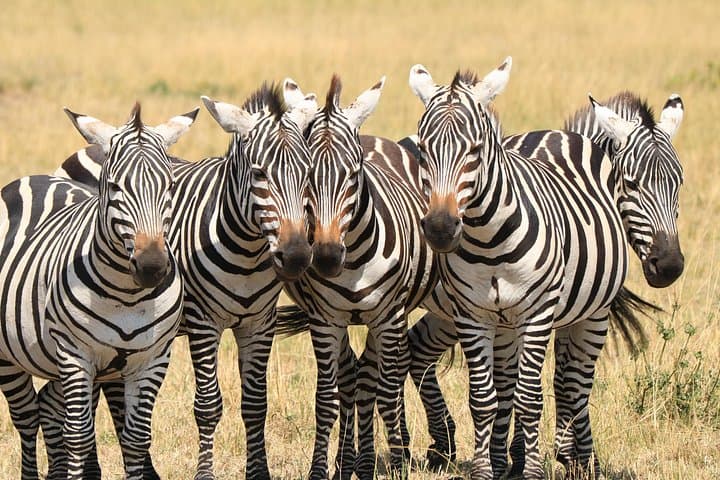
You roll out of Arusha before dawn and the road opens into the Rift Valley: flat scrub, baobab silhouettes and a sky that pushes color onto the horizon. On day one the vehicles thread into Tarangire National Park where the river and seasonal swamps literally pull animals across the plains — elephant herds cluster like slow-moving islands and acacia canopies shade prowling predators.
You roll out of Arusha before dawn and the road opens into the Rift Valley: flat scrub, baobab silhouettes and a sky that pushes color onto the horizon. On day one the vehicles thread into Tarangire National Park where the river and seasonal swamps literally pull animals across the plains — elephant herds cluster like slow-moving islands and acacia canopies shade prowling predators.
Tarangire sits on the rift’s eastern flank; its geology is a mix of volcanic soils and sedimentary floodplains that create those broad, dusty plains and permanent river channels. The park’s cultural history ties to Maasai pastoralists whose seasonal movements shaped the landscape long before formal protection; you’ll pass small villages and cattle tracks near the park boundary.
Day two moves west to Lake Manyara, a shallow alkaline lake framed by groundwater-fed forests. The lake’s chemistry favors flamingos and cormorants, while the forested rim supports troops of baboons and the occasional lion that climbs into low branches for shade.
Practical edge: safari days are long but low-impact physically — most time is spent on light-bashed tracks in an open 4x4. Pack a sun hat, binoculars and a refillable water bottle; expect dusty roads and strong midday sun. Timing matters: the dry season concentrates game and makes sightings more predictable, while the wet season brings dramatic bird numbers and lush scenery. Guides handle logistics and park fees; bring local currency for tips and small purchases. This short loop is compact, wildlife-rich and ideal for travelers who want a high-return safari in two focused days.