THE ADVENTURE COLLECTIVE® · Independent discovery and booking for outdoor travel

Two days of focused game drives from Arusha to Tarangire and the Ngorongoro Crater, offering elephant-rich riverbanks, baobab-studded savannah, and a compact caldera teeming with plains game and predators. Expect early starts, picnic lunches, and varied accommodations between campsite and lodge.
Two days of focused game drives from Arusha to Tarangire and the Ngorongoro Crater, offering elephant-rich riverbanks, baobab-studded savannah, and a compact caldera teeming with plains game and predators. Expect early starts, picnic lunches, and varied accommodations between campsite and lodge.
Morning light spills across the plains as a 4WD top-up Land Cruiser pulls away from Arusha, engine low and purposeful. The road unwinds past Maasai bomas and thorn scrub, and by the time the vehicle slides beneath a ring of baobabs at Tarangire, the river is already calling the herds to water.
Verified experiences and guided adventures in the surrounding area.
Operated by Oldome African Safaris · Arusha, Arusha Region
Morning light spills across the plains as a 4WD top-up Land Cruiser pulls away from Arusha, engine low and purposeful. The road unwinds past Maasai bomas and thorn scrub, and by the time the vehicle slides beneath a ring of baobabs at Tarangire, the river is already calling the herds to water.
Tarangire's landscape is honest—wide grasslands threaded by a perennial river and punctuated by ancient baobabs and umbrella acacias. Geologically younger than the nearby rift highlands, the Ngorongoro Crater is a collapsed volcanic caldera roughly 20 km across and about 600 m deep, its bowl holding a dense ecosystem where predators and prey meet on a daily rhythm. The region is Maasai country; pastoralists still move cattle through the conservation area and their culture is visible in the roadside villages and beadwork markets.
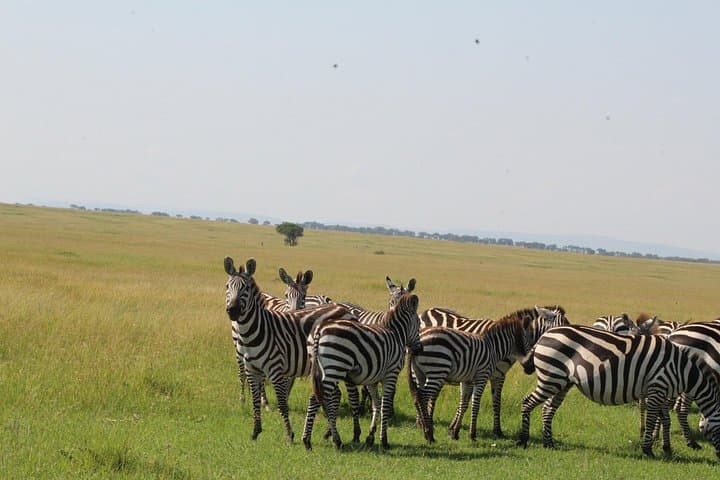
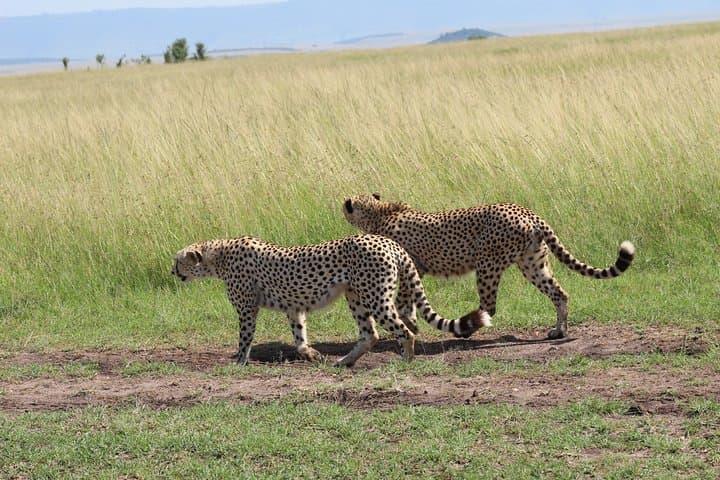
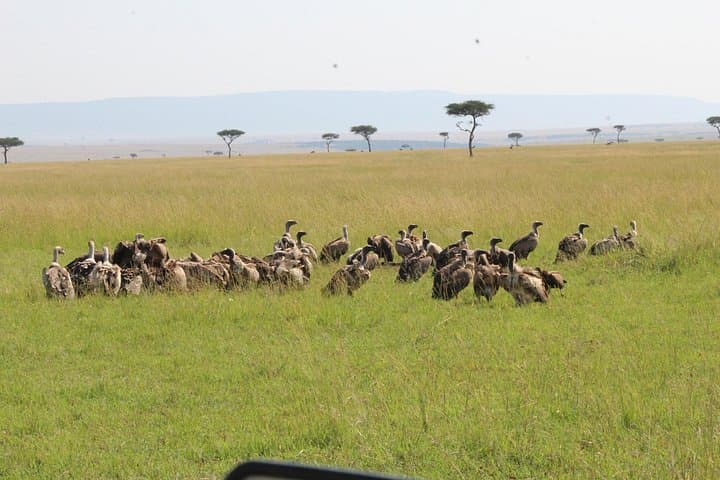
On this two-day loop visitors can expect concentrated game viewing: large elephant herds at Tarangire, and in Ngorongoro a rare chance to see black rhino alongside lions, hyenas, and dense plains game. Guides follow strict park rules—stay in the vehicle, keep windows partly closed in big-cat areas, and respect local customs when photographing people.
Practical notes: expect two long game-drive days with early starts, picnic lunches by hippo pools, and one night in a campsite and one in a lodge near Arusha. Roads within parks can be rutted; a top-up roof gives good sightlines. Bring layers for chilly crater mornings, sun protection, binoculars, and modest cash for tips and local purchases. Hydrate, listen to your guide, and let the crater hold you awhile.
moderate.
2 days (full-day game drives each day).
Suitable for travelers with average fitness; requires sitting for long periods and exiting vehicle for short walks at designated spots
Yes — according to the tour inclusions, all park fees and government charges are covered in the booking price.
Tarangire and Ngorongoro host many Big Five species; lions, buffalo, elephant and rhino are regularly seen in Ngorongoro, though sightings can’t be guaranteed due to animal movement.
The tour lists wheelchair-accessible transport and areas, but vehicle boarding and some uneven ground at viewpoints may still pose challenges—confirm specific needs with the operator before booking.
The itinerary includes one night at a campsite (Kizumba campsite, Mto wa Mbu) and one night at a lodge (Royal City Lodge), with breakfasts, lunches and dinners as listed; bring snacks and any personal dietary items you require.
Ngorongoro formed when a large volcano collapsed 2–3 million years ago; the area has long been inhabited by Maasai pastoralists whose grazing practices shaped the landscape.
The Ngorongoro Conservation Area balances wildlife protection with Maasai land use; visitors are asked to minimize disturbance, avoid littering, and follow park rules to protect fragile habitats.
Oldome African Safaris operates guided outdoor trips and adventures with an emphasis on safety, stewardship, and memorable experiences.
Morning light spills across the plains as a 4WD top-up Land Cruiser pulls away from Arusha, engine low and purposeful. The road unwinds past Maasai bomas and thorn scrub, and by the time the vehicle slides beneath a ring of baobabs at Tarangire, the river is already calling the herds to water.
Morning light spills across the plains as a 4WD top-up Land Cruiser pulls away from Arusha, engine low and purposeful. The road unwinds past Maasai bomas and thorn scrub, and by the time the vehicle slides beneath a ring of baobabs at Tarangire, the river is already calling the herds to water.
Tarangire's landscape is honest—wide grasslands threaded by a perennial river and punctuated by ancient baobabs and umbrella acacias. Geologically younger than the nearby rift highlands, the Ngorongoro Crater is a collapsed volcanic caldera roughly 20 km across and about 600 m deep, its bowl holding a dense ecosystem where predators and prey meet on a daily rhythm. The region is Maasai country; pastoralists still move cattle through the conservation area and their culture is visible in the roadside villages and beadwork markets.
On this two-day loop visitors can expect concentrated game viewing: large elephant herds at Tarangire, and in Ngorongoro a rare chance to see black rhino alongside lions, hyenas, and dense plains game. Guides follow strict park rules—stay in the vehicle, keep windows partly closed in big-cat areas, and respect local customs when photographing people.
Practical notes: expect two long game-drive days with early starts, picnic lunches by hippo pools, and one night in a campsite and one in a lodge near Arusha. Roads within parks can be rutted; a top-up roof gives good sightlines. Bring layers for chilly crater mornings, sun protection, binoculars, and modest cash for tips and local purchases. Hydrate, listen to your guide, and let the crater hold you awhile.