THE ADVENTURE COLLECTIVE® · Independent discovery and booking for outdoor travel

Spend two compact days chasing wildlife from Arusha into Tarangire and down into the volcanic bowl of Ngorongoro Crater. This short private safari delivers high-density game viewing, dramatic landscapes, and a taste of Maasai country with an overnight lodge near the crater rim.
Spend two compact days chasing wildlife from Arusha into Tarangire and down into the volcanic bowl of Ngorongoro Crater. This short private safari delivers high-density game viewing, dramatic landscapes, and a taste of Maasai country with an overnight lodge near the crater rim.
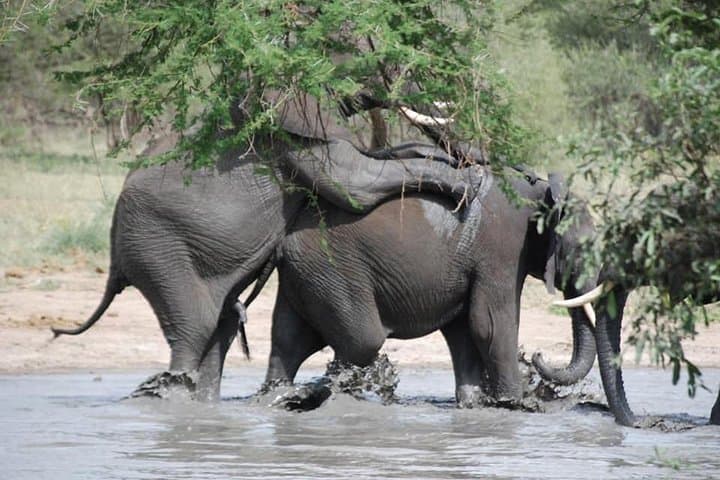
Dawn breaks over the acacia-lined plains as the safari vehicle moves through a low, golden mist. Elephants dawdle at a river bend in Tarangire, trunks flicking and dust rising like a soft curtain. By afternoon the landscape changes—broad baobabs and termite mounds give way to the sheer rim of Ngorongoro, a volcanic bowl that holds a living wild theatre.
Verified experiences and guided adventures in the surrounding area.
Operated by Wild Root Safaris and Adventures · Arusha, Arusha Region
Dawn breaks over the acacia-lined plains as the safari vehicle moves through a low, golden mist. Elephants dawdle at a river bend in Tarangire, trunks flicking and dust rising like a soft curtain. By afternoon the landscape changes—broad baobabs and termite mounds give way to the sheer rim of Ngorongoro, a volcanic bowl that holds a living wild theatre.
The Ngorongoro Crater is the collapsed caldera of an ancient volcano, its 600-meter descent creating a natural amphitheater where grazing herds and predators converge. Tarangire’s river is a lifeline during dryer months and a magnet for elephant families. Both areas sit within Maasai country; pastoralists still move cattle along traditional routes, and cultural exchanges are part of the region’s modern story.
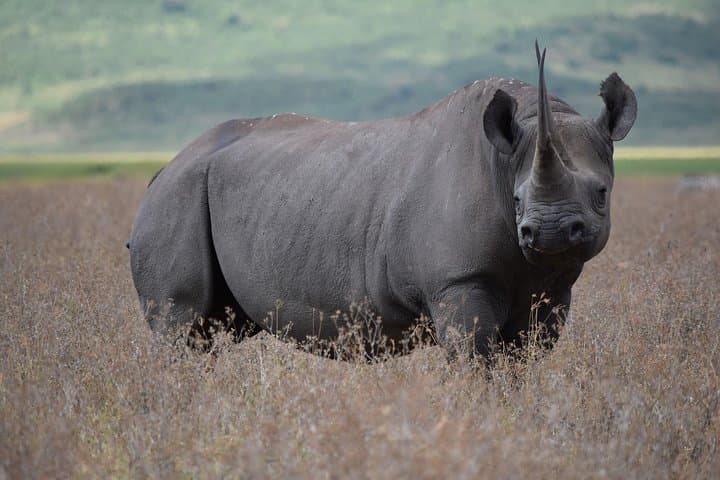
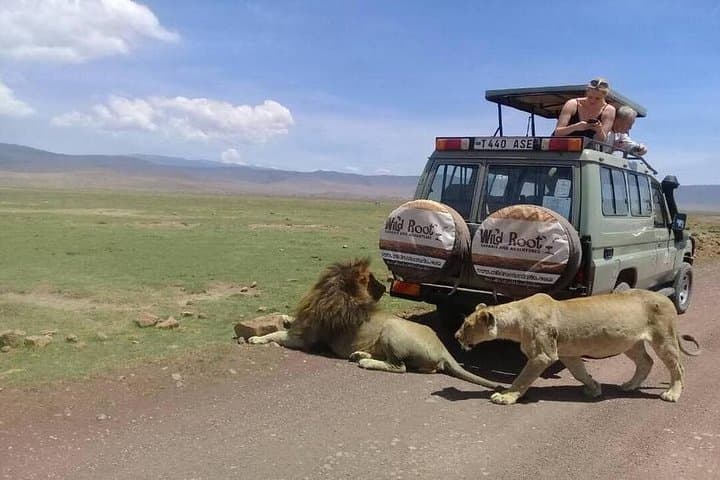
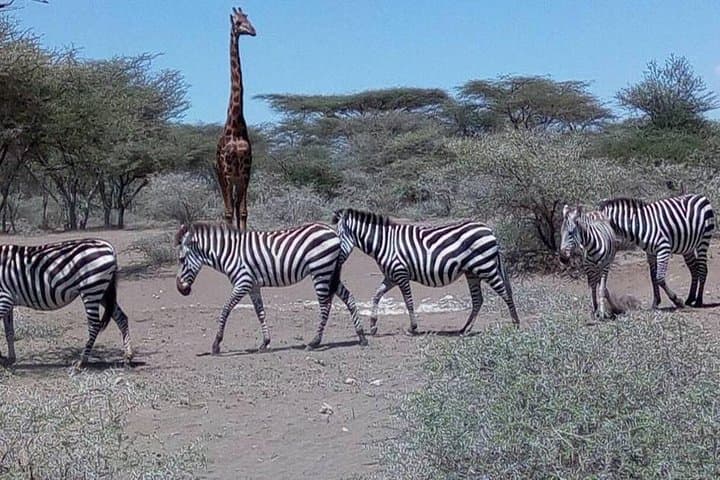
Practically, the two-day loop is compact but rich: expect long stretches in a 4x4, early starts to catch animals at their most active, and short walks from viewpoints rather than extended treks. Lodging is typically at a rim-side lodge (Eileen’s Lodge or similar) with included park fees per vehicle. Game drives focus on spotting elephants, giraffes, lions, hippos, and the crater’s rare black rhino. Roads can be rough and weather can flip from sun to showers, so plan layered clothing and secure camera gear.
Timing matters—dry months concentrate wildlife and ease travel; the wet season brings verdant scenery and fewer vehicles but muddier tracks. Bring binoculars, a good camera, sun protection, and a readiness for dusty, thrilling close encounters with East Africa’s iconic wildlife.
moderate.
2 days.
Suitable for travelers in average fitness—long vehicle hours, occasional short walks, and repeated entry/exit from a 4x4.
According to the itinerary, park fees and crater fees per vehicle are included, but confirm at booking for any recent fee changes.
The trip departs from Arusha with options to return to Arusha or be transferred to Kilimanjaro airport after the second day—confirm your pickup point when booking.
Sightings aren’t guaranteed, but Tarangire and Ngorongoro are high-density parks where elephants, lions, buffalo, leopard, and black rhino are regularly seen; black rhino sightings are rarer but possible in Ngorongoro.
The tour is suitable for families; infants must sit on laps and infant seats can be provided. It’s not recommended for those with serious back, heart conditions, or pregnant travelers per provider guidance.
Maasai pastoralists have lived in the region for generations; Ngorongoro’s crater formed from a volcanic collapse millions of years ago and later became a conservation stronghold.
Tour revenues, park fees, and controlled vehicle numbers support anti-poaching and habitat protection, but balancing pastoral grazing rights and wildlife corridors remains an ongoing challenge.
Wild Root Safaris and Adventures operates guided outdoor trips and adventures with an emphasis on safety, stewardship, and memorable experiences.
Dawn breaks over the acacia-lined plains as the safari vehicle moves through a low, golden mist. Elephants dawdle at a river bend in Tarangire, trunks flicking and dust rising like a soft curtain. By afternoon the landscape changes—broad baobabs and termite mounds give way to the sheer rim of Ngorongoro, a volcanic bowl that holds a living wild theatre.
Dawn breaks over the acacia-lined plains as the safari vehicle moves through a low, golden mist. Elephants dawdle at a river bend in Tarangire, trunks flicking and dust rising like a soft curtain. By afternoon the landscape changes—broad baobabs and termite mounds give way to the sheer rim of Ngorongoro, a volcanic bowl that holds a living wild theatre.
The Ngorongoro Crater is the collapsed caldera of an ancient volcano, its 600-meter descent creating a natural amphitheater where grazing herds and predators converge. Tarangire’s river is a lifeline during dryer months and a magnet for elephant families. Both areas sit within Maasai country; pastoralists still move cattle along traditional routes, and cultural exchanges are part of the region’s modern story.
Practically, the two-day loop is compact but rich: expect long stretches in a 4x4, early starts to catch animals at their most active, and short walks from viewpoints rather than extended treks. Lodging is typically at a rim-side lodge (Eileen’s Lodge or similar) with included park fees per vehicle. Game drives focus on spotting elephants, giraffes, lions, hippos, and the crater’s rare black rhino. Roads can be rough and weather can flip from sun to showers, so plan layered clothing and secure camera gear.
Timing matters—dry months concentrate wildlife and ease travel; the wet season brings verdant scenery and fewer vehicles but muddier tracks. Bring binoculars, a good camera, sun protection, and a readiness for dusty, thrilling close encounters with East Africa’s iconic wildlife.