THE ADVENTURE COLLECTIVE® · Independent discovery and booking for outdoor travel

Two days of focused game drives through Tarangire’s baobab avenues and the vast, crater-ringed ecosystem of Ngorongoro. Expect dense elephant herds, concentrated predator-prey action, and knowledgeable local guides handling logistics and camp life.
Two days of focused game drives through Tarangire’s baobab avenues and the vast, crater-ringed ecosystem of Ngorongoro. Expect dense elephant herds, concentrated predator-prey action, and knowledgeable local guides handling logistics and camp life.
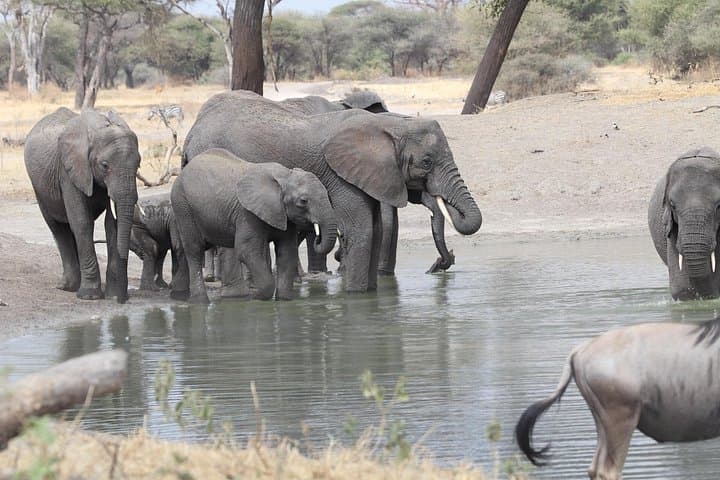
Morning light spills across acacia crowns as your Land Cruiser threads a dust ribbon into Tarangire. Elephants drift between baobabs while the guide’s voice points out a lone giraffe pausing to scrutinize the vehicle—nature here feels both patient and watchful. By the second day you’ll descend into Ngorongoro’s caldera, a green bowl ringed by sheer walls where plains and waterholes gather species as if by gravity.
Verified experiences and guided adventures in the surrounding area.
Operated by Face of Africa Adventures · Arusha, Arusha Region
Morning light spills across acacia crowns as your Land Cruiser threads a dust ribbon into Tarangire. Elephants drift between baobabs while the guide’s voice points out a lone giraffe pausing to scrutinize the vehicle—nature here feels both patient and watchful. By the second day you’ll descend into Ngorongoro’s caldera, a green bowl ringed by sheer walls where plains and waterholes gather species as if by gravity.
Tarangire is renowned for some of Tanzania’s highest elephant densities and its iconic baobab silhouettes; it sits on an old rift-flank landscape shaped by tectonics and seasonal rivers. Ngorongoro is a volcanic caldera carved when a massive volcano collapsed roughly 2–3 million years ago—its steep rims create a self-contained ecosystem that Maasai pastoralists have traversed for generations. Local guides typically bring cultural context as they track wildlife, sharing Maasai names and land-use history as part of the experience.
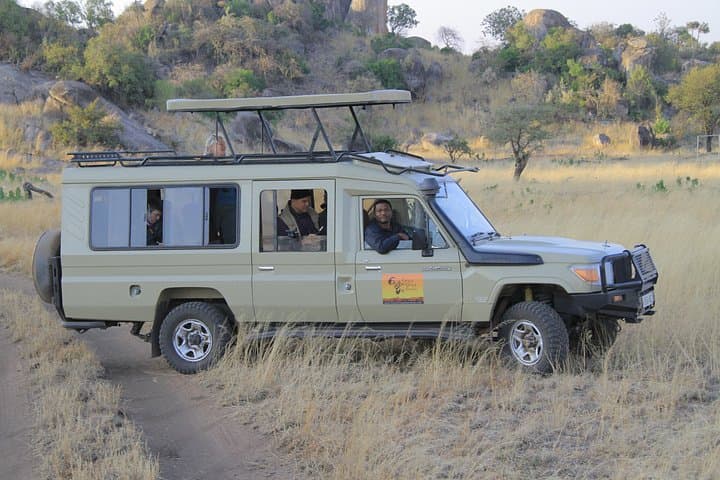
Practically: expect long game-drive days in a pop-up roof 4x4, with picnic lunches at designated sites. Roads range from compact dirt to rutted tracks; motion is slow and observational. Bring layers for chilly crater mornings, sun protection for midday stakeouts, and binoculars for scanning distant herds. Park fees and vehicle limits make early starts smart; wildlife concentrates around water, so time your drives for dawn and late afternoon for the best sightings. Hydrate, respect vehicle rules, and follow guide directions—these preserve both safety and the animals’ space. This two-day loop is efficient, wildlife-rich, and grounded in reliable logistics for first-time safari travelers.
easy.
2 days.
Suitable for most fitness levels; involves extended seated game drives with short walks or boardings.
Visitors should check current visa requirements for their nationality and consult a travel clinic for recommended vaccinations and malaria prophylaxis well before travel.
This tour includes admission to Ngorongoro Crater per the itinerary; confirm with the operator whether Tarangire park fees are included in your booking details.
Expect full mornings and afternoons: roughly 3–6 hours of driven game viewing each day with picnic lunches and breaks at designated sites.
The listed Fanaka Campsite uses maintained tents and mattresses; standards are basic but clean—confirm bedding and private facilities with the operator if you have specific needs.
The Ngorongoro area has been inhabited and managed by Maasai pastoralists for centuries; the crater name derives from Maa language and the area became a conservation model combining cultural land use and wildlife protection.
Ngorongoro and Tarangire are managed with strict vehicle and visitor rules; follow guide directions, avoid littering, and support local conservation fees that fund anti-poaching and community programs.
Face of Africa Adventures operates guided outdoor trips and adventures with an emphasis on safety, stewardship, and memorable experiences.
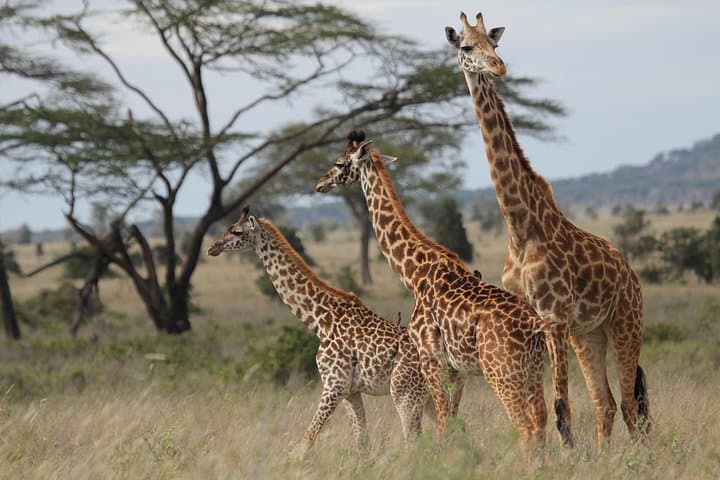
Morning light spills across acacia crowns as your Land Cruiser threads a dust ribbon into Tarangire. Elephants drift between baobabs while the guide’s voice points out a lone giraffe pausing to scrutinize the vehicle—nature here feels both patient and watchful. By the second day you’ll descend into Ngorongoro’s caldera, a green bowl ringed by sheer walls where plains and waterholes gather species as if by gravity.
Morning light spills across acacia crowns as your Land Cruiser threads a dust ribbon into Tarangire. Elephants drift between baobabs while the guide’s voice points out a lone giraffe pausing to scrutinize the vehicle—nature here feels both patient and watchful. By the second day you’ll descend into Ngorongoro’s caldera, a green bowl ringed by sheer walls where plains and waterholes gather species as if by gravity.
Tarangire is renowned for some of Tanzania’s highest elephant densities and its iconic baobab silhouettes; it sits on an old rift-flank landscape shaped by tectonics and seasonal rivers. Ngorongoro is a volcanic caldera carved when a massive volcano collapsed roughly 2–3 million years ago—its steep rims create a self-contained ecosystem that Maasai pastoralists have traversed for generations. Local guides typically bring cultural context as they track wildlife, sharing Maasai names and land-use history as part of the experience.
Practically: expect long game-drive days in a pop-up roof 4x4, with picnic lunches at designated sites. Roads range from compact dirt to rutted tracks; motion is slow and observational. Bring layers for chilly crater mornings, sun protection for midday stakeouts, and binoculars for scanning distant herds. Park fees and vehicle limits make early starts smart; wildlife concentrates around water, so time your drives for dawn and late afternoon for the best sightings. Hydrate, respect vehicle rules, and follow guide directions—these preserve both safety and the animals’ space. This two-day loop is efficient, wildlife-rich, and grounded in reliable logistics for first-time safari travelers.