THE ADVENTURE COLLECTIVE® · Independent discovery and booking for outdoor travel

Two intensive days from Arusha take you through Tarangire’s elephant-rich riverlands and down into the volcanic bowl of Ngorongoro Crater. Expect big wildlife sightings, Rift Valley views and a lodge night in the highlands.
Two intensive days from Arusha take you through Tarangire’s elephant-rich riverlands and down into the volcanic bowl of Ngorongoro Crater. Expect big wildlife sightings, Rift Valley views and a lodge night in the highlands.
The Land Cruiser crunches onto the red tarmac and Arusha drifts behind you—acacia silhouettes and baobab crowns puncture the skyline as the highway gives way to the Masai steppe. By late morning Tarangire’s riverbank opens like a wildlife magnet: elephants working the shore, zebra threading the grass, birds staking claims on fever trees. Nature here moves with purpose; the river dares the herds to congregate.
Verified experiences and guided adventures in the surrounding area.
Operated by Africa Outland Tours · Arusha, Arusha Region
The Land Cruiser crunches onto the red tarmac and Arusha drifts behind you—acacia silhouettes and baobab crowns puncture the skyline as the highway gives way to the Masai steppe. By late morning Tarangire’s riverbank opens like a wildlife magnet: elephants working the shore, zebra threading the grass, birds staking claims on fever trees. Nature here moves with purpose; the river dares the herds to congregate.
This short, focused safari threads two of northern Tanzania’s headline attractions. Tarangire National Park is known for its dense elephant population, baobab-studded plains and the Tarangire River—the park’s only reliable water source that concentrates wildlife during the dry months. The next day you drop 600 meters from the Ngorongoro rim into an immense volcanic caldera formed when a colossal volcano collapsed; the crater floor acts as a self-contained ecosystem where black rhino, large herds and predators coexist on a compact stage.
Cultural notes: you’ll pass Maasai settlements and highland farms around Karatu, where centuries of pastoral life meet fertile volcanic soils. Geology is visible—the Rift Valley escarpment frames many of your photos and the crater’s volcanic origins explain its rich soils and biodiversity.
Practical guidance: departures are early from Arusha (around 08:00), drives involve long, dusty stretches and game drives in a 4x4 vehicle; expect an active day of wildlife watching and an overnight at a lodge or tented camp. Bring layered clothing for sharp temperature swings between crater rim and floor, a good zoom lens, binoculars, sun protection, and sufficient hydration. The itinerary suits most fitness levels but isn’t recommended for travelers with spinal injuries due to bouncing vehicle transfers and uneven terrain.
moderate.
2 days (≈48 hours total, including drives and game drives).
Suitable for most travelers who can handle several hours in a vehicle and short walks; not suited to those with spinal injuries.
Ngorongoro crater admission is included in the itinerary; Tarangire gate formalities are handled on arrival—confirm exact inclusions with your operator at booking.
Pickups typically start in Arusha around 08:00. Drive to Tarangire is about 2–2.5 hours; transfers between parks and return to Arusha include several hours on paved and dirt roads.
The tour is listed as physically easy and suitable for most fitness levels, but it’s not recommended for travelers with spinal injuries due to jostling on rough roads and vehicle access.
The trip includes two lunches, dinner and breakfast as listed, plus one night’s accommodation at a lodge or tented lodge in the Ngorongoro highlands; packed lunches are provided during game drives.
Ngorongoro’s caldera formed from a collapsed supervolcano millions of years ago and has long supported human habitation—archaeological finds in the region trace early hominids' presence.
Both parks face pressures from grazing, tourism and changing rainfall; travelers can minimize impact by following guide directions, avoiding off-track driving and supporting community-run lodges.
Africa Outland Tours operates guided outdoor trips and adventures with an emphasis on safety, stewardship, and memorable experiences.
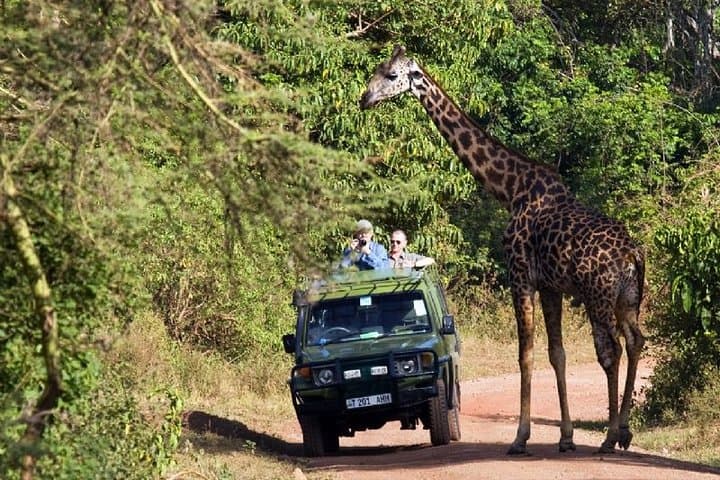

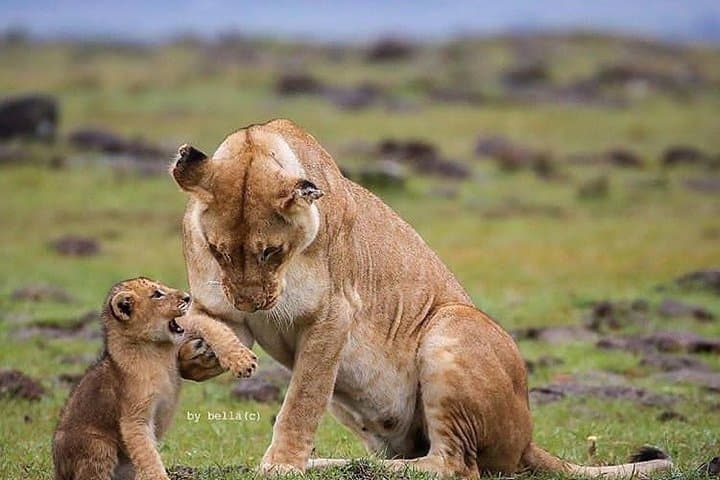
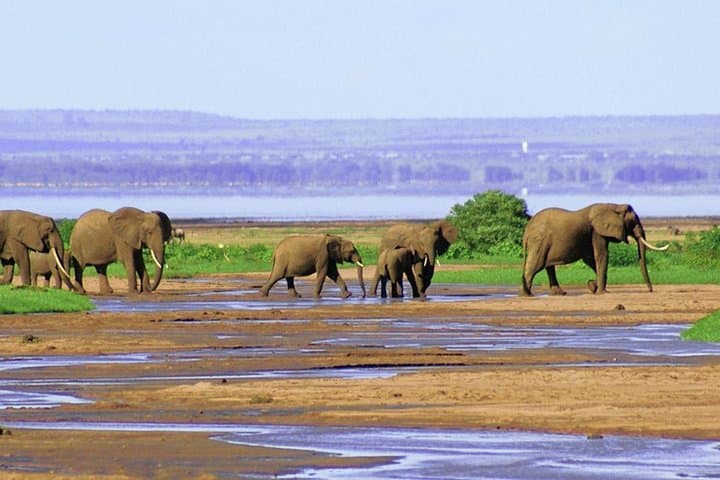
The Land Cruiser crunches onto the red tarmac and Arusha drifts behind you—acacia silhouettes and baobab crowns puncture the skyline as the highway gives way to the Masai steppe. By late morning Tarangire’s riverbank opens like a wildlife magnet: elephants working the shore, zebra threading the grass, birds staking claims on fever trees. Nature here moves with purpose; the river dares the herds to congregate.
The Land Cruiser crunches onto the red tarmac and Arusha drifts behind you—acacia silhouettes and baobab crowns puncture the skyline as the highway gives way to the Masai steppe. By late morning Tarangire’s riverbank opens like a wildlife magnet: elephants working the shore, zebra threading the grass, birds staking claims on fever trees. Nature here moves with purpose; the river dares the herds to congregate.
This short, focused safari threads two of northern Tanzania’s headline attractions. Tarangire National Park is known for its dense elephant population, baobab-studded plains and the Tarangire River—the park’s only reliable water source that concentrates wildlife during the dry months. The next day you drop 600 meters from the Ngorongoro rim into an immense volcanic caldera formed when a colossal volcano collapsed; the crater floor acts as a self-contained ecosystem where black rhino, large herds and predators coexist on a compact stage.
Cultural notes: you’ll pass Maasai settlements and highland farms around Karatu, where centuries of pastoral life meet fertile volcanic soils. Geology is visible—the Rift Valley escarpment frames many of your photos and the crater’s volcanic origins explain its rich soils and biodiversity.
Practical guidance: departures are early from Arusha (around 08:00), drives involve long, dusty stretches and game drives in a 4x4 vehicle; expect an active day of wildlife watching and an overnight at a lodge or tented camp. Bring layered clothing for sharp temperature swings between crater rim and floor, a good zoom lens, binoculars, sun protection, and sufficient hydration. The itinerary suits most fitness levels but isn’t recommended for travelers with spinal injuries due to bouncing vehicle transfers and uneven terrain.