
2-Day Tanzania Safari: Tarangire & Ngorongoro Crater Adventure
Two days of compact, high-impact safari: game drives through Tarangire’s baobab country and a full-day descent into the Ngorongoro Crater. Small vehicles and open roofs maximize views and photography on this short wildlife circuit.
An Adventure In Arusha.
Two days of compact, high-impact safari: game drives through Tarangire’s baobab country and a full-day descent into the Ngorongoro Crater. Small vehicles and open roofs maximize views and photography on this short wildlife circuit.
Read the full experience
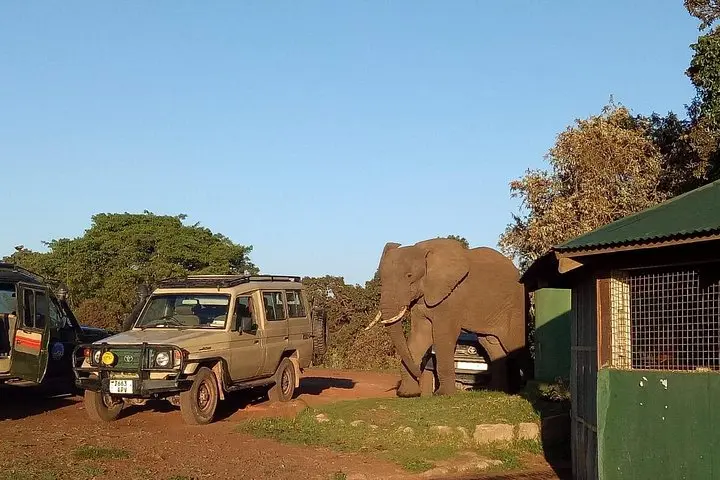
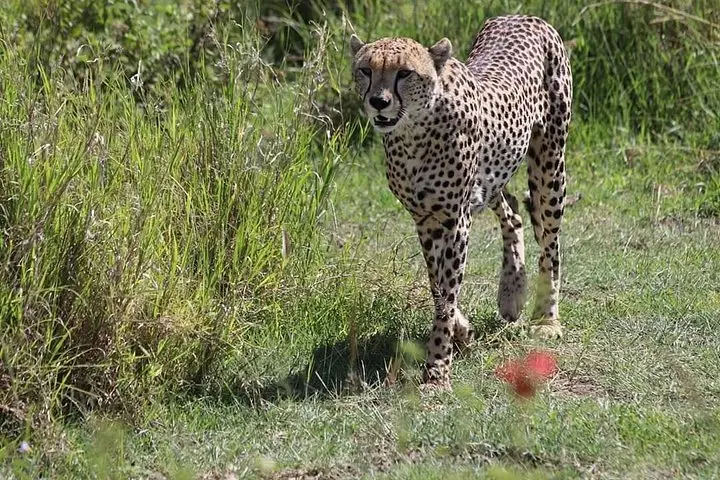
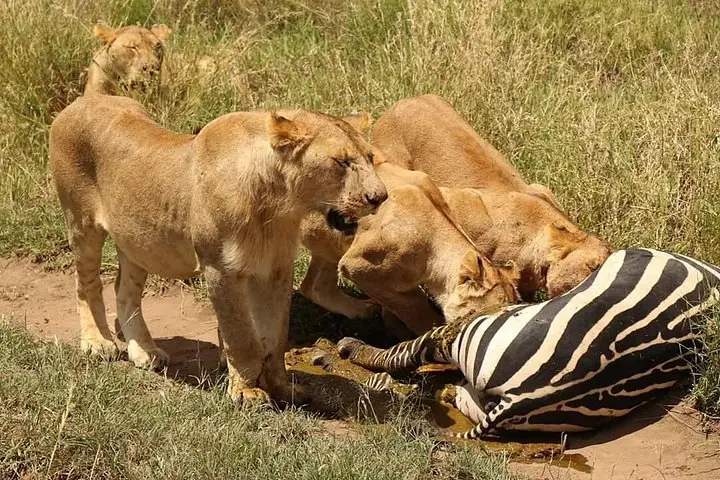
Dawn pulls a cold light across the highlands as your 4x4 rolls out of Arusha, the city’s dust giving way to tall grasses and termite towers. In Tarangire the trees lean like old guides while herds of elephants move through dry riverbeds that dare you to keep up; on the second day the Ngorongoro Crater opens beneath you like a vast amphitheater, its rim holding back a dense world of grazing plains and stalking predators.
Dawn pulls a cold light across the highlands as your 4x4 rolls out of Arusha, the city’s dust giving way to tall grasses and termite towers. In Tarangire the trees lean like old guides while herds of elephants move through dry riverbeds that dare you to keep up; on the second day the Ngorongoro Crater opens beneath you like a vast amphitheater, its rim holding back a dense world of grazing plains and stalking predators.
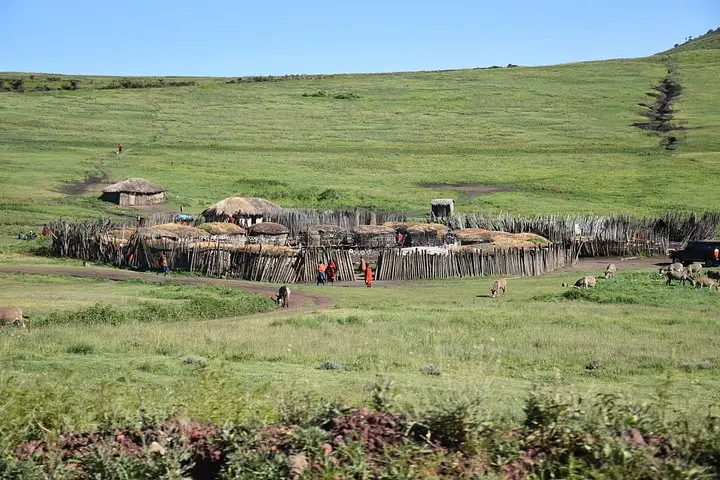
These two parks are geological and cultural bookends: Tarangire’s landscape is carved from volcanic ash and seasonal rivers, favoring baobabs and broad savanna where migratory herds concentrate in the dry months. Ngorongoro—an immense collapsed volcano—forms a natural enclosure with remarkably high wildlife density; Maasai pastoralists have shared this land for centuries, and you’ll see their shambas and cattle grazing on crater edges.
Practical guidance is straightforward. This is a short, seat-in-vehicle safari with small groups (max six) and open-roof viewing—expect long periods sitting and short, guided stops for photos and walks. Pack layered clothing for cold mornings and hot afternoons, bring a good pair of binoculars and spare batteries, and plan for basic camping or lodge accommodation depending on your chosen night. Park entry and most meals are included; health-wise, consult a travel clinic for malaria prevention and routine vaccinations.
Timing matters: dry months concentrate wildlife; rainy months bring lush scenery and fewer tourists but tougher roads. Move at the pace of the land—watch for elephants on the horizon and let the crater keep its secrets until you reach the floor.
Frequently asked questions
Yes—Ngorongoro Crater entry and Tarangire park fees are included in the tour price as listed.
One night is spent near Tarangire in simple lodge/campsite accommodation (Fig Tree Lodge listed) with the second night in Arusha; expect basic comforts and communal dining.
Not required by law but recommended—consult a travel clinic for malaria prophylaxis, yellow fever (if applicable), and routine shots before travel.
Yes—special dietary requirements are available on request; note these at booking so guides and caterers can prepare alternatives.
About This Experience
Africa Serengeti Safaris operates guided outdoor trips and adventures with an emphasis on safety, stewardship, and memorable experiences.
Adventure tips
Recommended gear
- Binoculars: Brings distant herds and birds into clear view from the vehicle.
- Sturdy walking shoes: Useful for campsite walks and short game-viewing exits from the vehicle.
- Layered clothing (warm jacket + light layers): Cold mornings on the crater rim and hot afternoons demand adaptable clothing.
- Insect repellent & sunscreen: Protects against mosquitoes and strong equatorial sun during daytime game drives.
Photos of the experience
Related adventures & guides
Read the full experience
Dawn pulls a cold light across the highlands as your 4x4 rolls out of Arusha, the city’s dust giving way to tall grasses and termite towers. In Tarangire the trees lean like old guides while herds of elephants move through dry riverbeds that dare you to keep up; on the second day the Ngorongoro Crater opens beneath you like a vast amphitheater, its rim holding back a dense world of grazing plains and stalking predators.
Dawn pulls a cold light across the highlands as your 4x4 rolls out of Arusha, the city’s dust giving way to tall grasses and termite towers. In Tarangire the trees lean like old guides while herds of elephants move through dry riverbeds that dare you to keep up; on the second day the Ngorongoro Crater opens beneath you like a vast amphitheater, its rim holding back a dense world of grazing plains and stalking predators.
These two parks are geological and cultural bookends: Tarangire’s landscape is carved from volcanic ash and seasonal rivers, favoring baobabs and broad savanna where migratory herds concentrate in the dry months. Ngorongoro—an immense collapsed volcano—forms a natural enclosure with remarkably high wildlife density; Maasai pastoralists have shared this land for centuries, and you’ll see their shambas and cattle grazing on crater edges.
Practical guidance is straightforward. This is a short, seat-in-vehicle safari with small groups (max six) and open-roof viewing—expect long periods sitting and short, guided stops for photos and walks. Pack layered clothing for cold mornings and hot afternoons, bring a good pair of binoculars and spare batteries, and plan for basic camping or lodge accommodation depending on your chosen night. Park entry and most meals are included; health-wise, consult a travel clinic for malaria prevention and routine vaccinations.
Timing matters: dry months concentrate wildlife; rainy months bring lush scenery and fewer tourists but tougher roads. Move at the pace of the land—watch for elephants on the horizon and let the crater keep its secrets until you reach the floor.
Make a day of it nearby.
Verified experiences and guided adventures in the surrounding area.