THE ADVENTURE COLLECTIVE® · Independent discovery and booking for outdoor travel

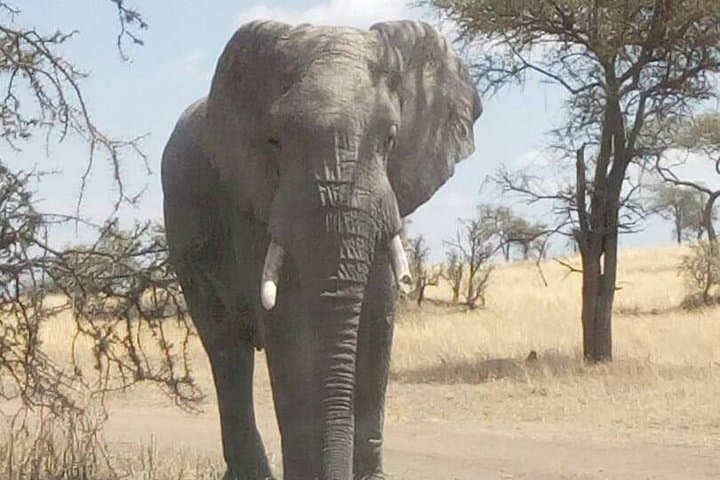
Two days of focused game drives from Arusha take you through Lake Manyara’s soda lake and flamingo flocks and into Tarangire’s baobab-scattered plains. Expect close-up elephant encounters, tree-climbing lions, and decisive dry-season wildlife congregations.
Two days of focused game drives from Arusha take you through Lake Manyara’s soda lake and flamingo flocks and into Tarangire’s baobab-scattered plains. Expect close-up elephant encounters, tree-climbing lions, and decisive dry-season wildlife congregations.
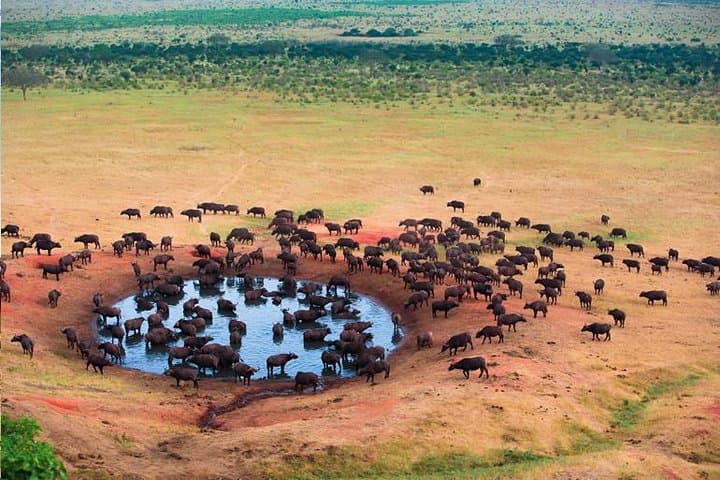
You step out of the vehicle and the Rift Valley air hits you—dry, hot and quick to carry sound. Lake Manyara’s soda flats glint in the afternoon, flamingos picking like confetti at the water’s edge, while the escarpment drops behind you like an old wall. After a night at a tented lodge, Tarangire’s baobabs and riverine acacia open up in a morning light that seems to push the herds toward the watering holes.
Verified experiences and guided adventures in the surrounding area.
Operated by Rupia Adventure · Arusha, Arusha Region
You step out of the vehicle and the Rift Valley air hits you—dry, hot and quick to carry sound. Lake Manyara’s soda flats glint in the afternoon, flamingos picking like confetti at the water’s edge, while the escarpment drops behind you like an old wall. After a night at a tented lodge, Tarangire’s baobabs and riverine acacia open up in a morning light that seems to push the herds toward the watering holes.
Lake Manyara National Park (≈330 km²) sits at roughly 960 m on the western rim of the Great Rift Valley. Its shallow soda lake supports algae blooms that in turn attract flamingos and vast flocks of waterbirds. Tarangire National Park (≈2,850 km²), a short drive southeast, is lower-energy landscape: broad floodplains, giant baobabs, and acacia woodland that funnel elephants to the Tarangire River when the dry season tightens. The parks are living mosaics of geology and culture—the Rift’s faulting created the escarpment, and Maasai communities around the parks still graze cattle and trade stories about wildlife corridors.
Practical guidance: expect 2 days of mostly vehicle-based game drives with short walks at lodges. Drive times from Arusha are roughly 2–3 hours to Lake Manyara and about 2 hours to Tarangire. Pack a sun hat, layered clothing for cool mornings, plenty of water, and a camera with a telephoto lens. Bring malaria prevention, respect park speed limits, and budget a guide tip (commonly ~$20/day). Early starts and late afternoons deliver the clearest light and the most active animals.
easy.
2 days (approx. 48 hours).
Suitable for travelers of average fitness since most wildlife viewing is from a vehicle; be prepared for short walks and uneven lodge grounds.
Pickups are typically in Arusha town; drives to Lake Manyara take about 2–3 hours and to Tarangire about 2 hours depending on traffic and route.
This itinerary includes fees, two lunches, breakfast and dinner as listed—confirm specific inclusions with the operator before booking.
The tour is listed as suitable for infants and wheelchair accessible in parts; check with the operator about vehicle accessibility and lap seating for young children.
The dry season (June–October) concentrates animals around water, offering higher chances to see large elephant herds and active predators.
The parks lie on the floor and escarpment of the Great Rift Valley; human communities here have long adapted pastoralism to seasonal water availability.
Both parks face pressure from expanding agriculture and migration corridors; responsible operators emphasize staying on roads and supporting community conservation projects.
Rupia Adventure operates guided outdoor trips and adventures with an emphasis on safety, stewardship, and memorable experiences.
You step out of the vehicle and the Rift Valley air hits you—dry, hot and quick to carry sound. Lake Manyara’s soda flats glint in the afternoon, flamingos picking like confetti at the water’s edge, while the escarpment drops behind you like an old wall. After a night at a tented lodge, Tarangire’s baobabs and riverine acacia open up in a morning light that seems to push the herds toward the watering holes.
You step out of the vehicle and the Rift Valley air hits you—dry, hot and quick to carry sound. Lake Manyara’s soda flats glint in the afternoon, flamingos picking like confetti at the water’s edge, while the escarpment drops behind you like an old wall. After a night at a tented lodge, Tarangire’s baobabs and riverine acacia open up in a morning light that seems to push the herds toward the watering holes.
Lake Manyara National Park (≈330 km²) sits at roughly 960 m on the western rim of the Great Rift Valley. Its shallow soda lake supports algae blooms that in turn attract flamingos and vast flocks of waterbirds. Tarangire National Park (≈2,850 km²), a short drive southeast, is lower-energy landscape: broad floodplains, giant baobabs, and acacia woodland that funnel elephants to the Tarangire River when the dry season tightens. The parks are living mosaics of geology and culture—the Rift’s faulting created the escarpment, and Maasai communities around the parks still graze cattle and trade stories about wildlife corridors.
Practical guidance: expect 2 days of mostly vehicle-based game drives with short walks at lodges. Drive times from Arusha are roughly 2–3 hours to Lake Manyara and about 2 hours to Tarangire. Pack a sun hat, layered clothing for cool mornings, plenty of water, and a camera with a telephoto lens. Bring malaria prevention, respect park speed limits, and budget a guide tip (commonly ~$20/day). Early starts and late afternoons deliver the clearest light and the most active animals.