THE ADVENTURE COLLECTIVE® · Independent discovery and booking for outdoor travel

In 48 hours you can taste Switzerland’s high-alpine drama: morning cogwheel climbs to the Matterhorn’s viewpoints, a full run on the Glacier Express, and a Lucerne city tour with chocolate and a lake cruise. This guide shows what to expect and how to plan.
In 48 hours you can taste Switzerland’s high-alpine drama: morning cogwheel climbs to the Matterhorn’s viewpoints, a full run on the Glacier Express, and a Lucerne city tour with chocolate and a lake cruise. This guide shows what to expect and how to plan.
You step off the train in a cool, thin air where wooden chalets cluster beneath the Matterhorn’s serrated silhouette—snow and rock that seem to watch the village. The first day moves at an alpine pace: a cogwheel climb to Gornergrat opens into a panorama of glaciers and peaks; in town, narrow streets fold around historic woodwork and shops selling local cheeses and tools.
Verified experiences and guided adventures in the surrounding area.
Operated by Switzerland Viva Tours · Zermatt, Valais
You step off the train in a cool, thin air where wooden chalets cluster beneath the Matterhorn’s serrated silhouette—snow and rock that seem to watch the village. The first day moves at an alpine pace: a cogwheel climb to Gornergrat opens into a panorama of glaciers and peaks; in town, narrow streets fold around historic woodwork and shops selling local cheeses and tools.
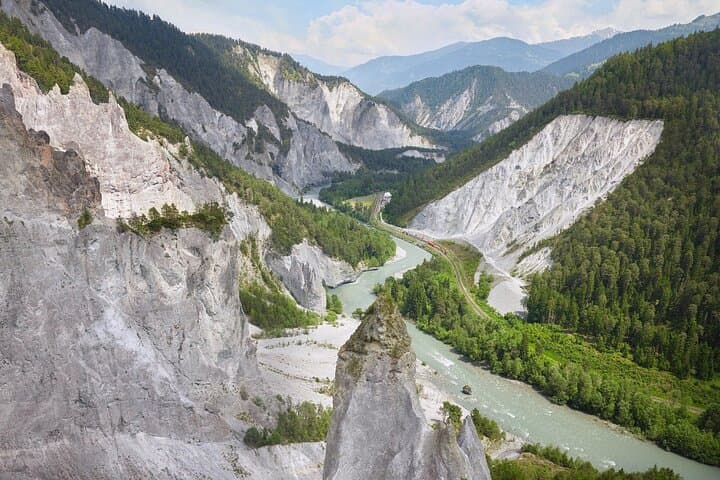
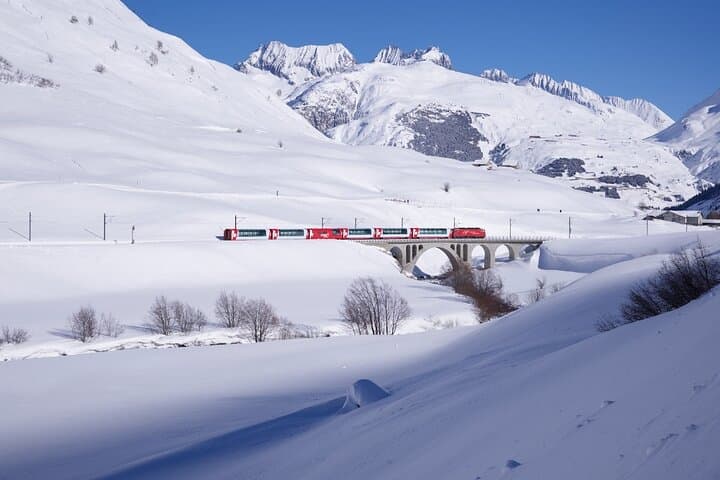
Zermatt’s modern tourism grew from 19th-century alpinism—early climbers arrived seeking routes up the Matterhorn, and the village evolved around mountain guiding. The Matterhorn itself is a product of the Alpine orogeny: tilted slabs and hard gneiss thrust skyward, weathered into the pyramid you now photograph. A day later, the Glacier Express threads through high valleys and viaducts, skirting Brig’s Stockalper Palace and carving slow arcs between snowfields and pastures before Lucerne’s lakefront greets you with medieval bridges and a chocolate tasting.
Practical guidance: trains are reserved—bring your printed or mobile ticket and a valid passport. Temperatures can swing; pack insulating layers and a windproof shell for Gornergrat. You’ll walk short distances on uneven pavement and station steps; comfortable shoes and a small daypack make moving between trains and viewpoints smooth.
Timing matters: start early from Basel, allow free time in Zermatt to acclimatize, and expect leisurely transfers. Keep water, sun protection, and Swiss francs handy. This compact two-day route stitches high-mountain vistas, heritage rail, and lakeside culture into a dense, manageable alpine primer.
easy.
2 days (≈48 hours).
Suitable for most travelers who can walk short distances, handle stairs, and stand for guided tours; no alpine climbing required.
No special fitness is required—most movement is short walks in towns and stations; you should be comfortable standing and walking on uneven surfaces.
Yes—the tour includes Glacier Express seat reservations and cog railway tickets as indicated; carry your ticket and ID.
Hotels typically hold luggage before check-in; small shared tours often help with logistics—confirm pickup and storage options when booking.
Visibility can vary; tours still proceed but views aren’t guaranteed—check cancellation/refund policies and plan extra photo opportunities in Lucerne or Gornergrat.
Zermatt transformed from a 19th-century mountaineering base into a car-free tourist hub; the Glacier Express was launched in the 1930s to connect mountain resorts with scenic rail travel.
Zermatt and the surrounding high Alps emphasize low-impact tourism—stay on trails, pack out waste, and use public transport to reduce your footprint.
Switzerland Viva Tours operates guided outdoor trips and adventures with an emphasis on safety, stewardship, and memorable experiences.
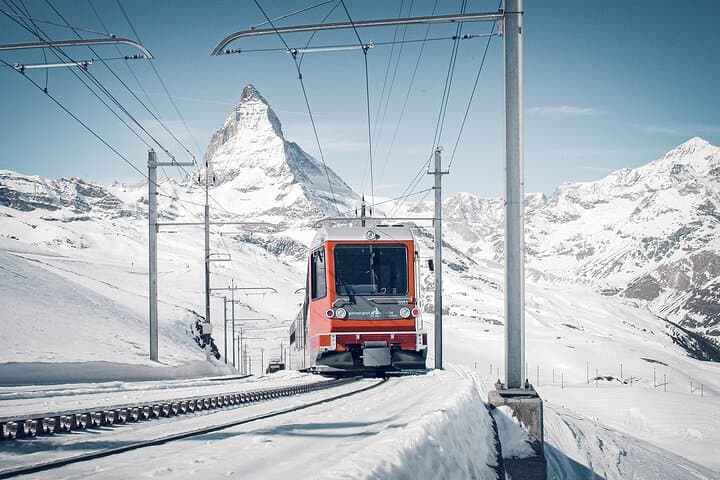
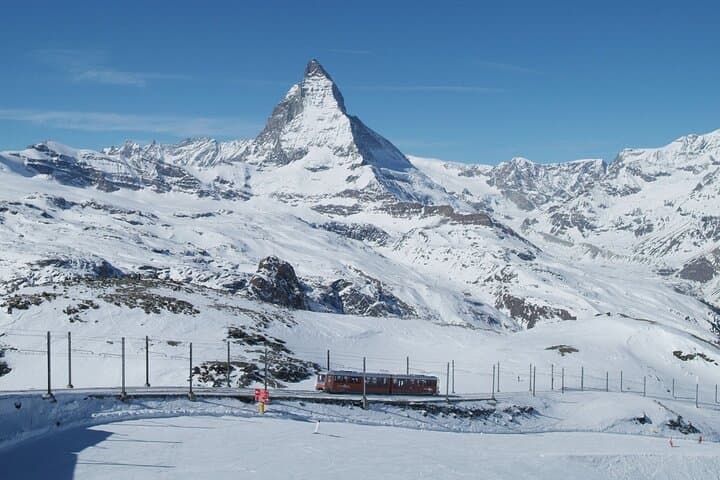
You step off the train in a cool, thin air where wooden chalets cluster beneath the Matterhorn’s serrated silhouette—snow and rock that seem to watch the village. The first day moves at an alpine pace: a cogwheel climb to Gornergrat opens into a panorama of glaciers and peaks; in town, narrow streets fold around historic woodwork and shops selling local cheeses and tools.
You step off the train in a cool, thin air where wooden chalets cluster beneath the Matterhorn’s serrated silhouette—snow and rock that seem to watch the village. The first day moves at an alpine pace: a cogwheel climb to Gornergrat opens into a panorama of glaciers and peaks; in town, narrow streets fold around historic woodwork and shops selling local cheeses and tools.
Zermatt’s modern tourism grew from 19th-century alpinism—early climbers arrived seeking routes up the Matterhorn, and the village evolved around mountain guiding. The Matterhorn itself is a product of the Alpine orogeny: tilted slabs and hard gneiss thrust skyward, weathered into the pyramid you now photograph. A day later, the Glacier Express threads through high valleys and viaducts, skirting Brig’s Stockalper Palace and carving slow arcs between snowfields and pastures before Lucerne’s lakefront greets you with medieval bridges and a chocolate tasting.
Practical guidance: trains are reserved—bring your printed or mobile ticket and a valid passport. Temperatures can swing; pack insulating layers and a windproof shell for Gornergrat. You’ll walk short distances on uneven pavement and station steps; comfortable shoes and a small daypack make moving between trains and viewpoints smooth.
Timing matters: start early from Basel, allow free time in Zermatt to acclimatize, and expect leisurely transfers. Keep water, sun protection, and Swiss francs handy. This compact two-day route stitches high-mountain vistas, heritage rail, and lakeside culture into a dense, manageable alpine primer.