THE ADVENTURE COLLECTIVE® · Independent discovery and booking for outdoor travel

Two full days sampling central Mexico: day one combines a CDMX city tour with a climb at Teotihuacán; day two explores Cuernavaca’s colonial heritage and Taxco’s silver-lined lanes. Perfect for travelers short on time who want a practical, small-group introduction to the region.
Two full days sampling central Mexico: day one combines a CDMX city tour with a climb at Teotihuacán; day two explores Cuernavaca’s colonial heritage and Taxco’s silver-lined lanes. Perfect for travelers short on time who want a practical, small-group introduction to the region.
You meet beneath the Angel of Independence as the city yawns into morning light — buses idle on Paseo de la Reforma and vendors fold up awnings. On day one the tour threads through the Historic Center: the Zócalo's broad plaza, Diego Rivera murals in the National Palace, and then out of the urban grid toward the stone horizons of Teotihuacán. The Calzada de los Muertos stretches before you; the Pyramid of the Sun rises like a stepped hill you can climb for a panoramic tilt over the valley.
Verified experiences and guided adventures in the surrounding area.
Operated by Circuitos por México · Mexico City, Mexico City
You meet beneath the Angel of Independence as the city yawns into morning light — buses idle on Paseo de la Reforma and vendors fold up awnings. On day one the tour threads through the Historic Center: the Zócalo's broad plaza, Diego Rivera murals in the National Palace, and then out of the urban grid toward the stone horizons of Teotihuacán. The Calzada de los Muertos stretches before you; the Pyramid of the Sun rises like a stepped hill you can climb for a panoramic tilt over the valley.
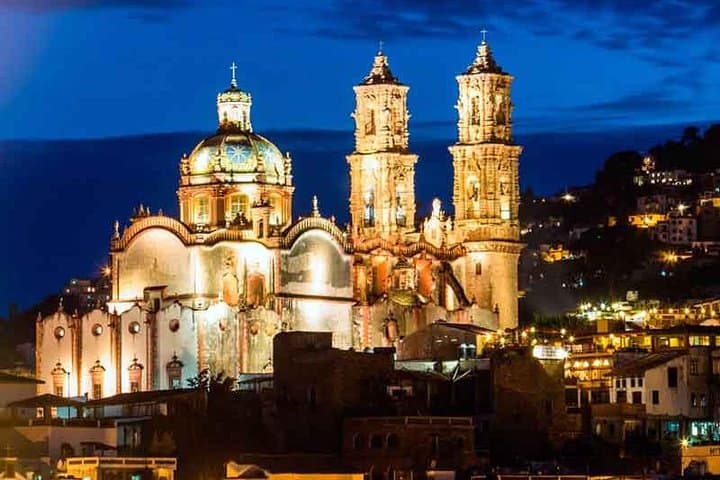
Teotihuacán, built between roughly 100–700 CE, is a planned metropolitan complex of volcanic rock, obsidian workshops and ceremonial architecture that shaped Mesoamerican urban design. The next day turns to colonial layers: Cuernavaca’s Palace of Cortés and shaded boulevards, then Taxco’s steep, cobbled alleys and baroque Santa Prisca — a town threaded through with centuries of silverworking that began in earnest after Spanish contact.
Practically speaking, expect two full days of mostly easy walking with some stair-climbing (the Pyramid of the Sun is about 200 steps). Distances: Mexico City to Teotihuacán ~50 km one way; Mexico City to Taxco ~170 km, to Cuernavaca ~90 km — both managed by air-conditioned coach in this two-day itinerary. Wear supportive shoes for cobbles and steps, bring sun protection and a refillable water bottle, and carry small bills for artisan stalls. Pickup is at the Angel of Independence around 8:45–9:00 AM; groups are capped at about 14 people. The route balances urban history, volcanic geology, and hands-on craft traditions — a compact, practical introduction to central Mexico’s landscapes and cultures.
moderate.
2 days (approx. 48 hours).
Suitable for travelers in average fitness who can handle several hours of walking and climbing stairs.
Admission details vary by operator; this tour includes access and a guided walk of the main zone but confirm at booking for any seasonal surcharges.
The Pyramid of the Sun requires climbing roughly 200 steps; allow 20–40 minutes for ascent, photos and descent depending on pace.
Meals are typically not included; the itinerary allows for local restaurants and vendors at stops — bring cash for small eateries.
Historic sites and Taxco’s cobbles make full wheelchair access limited; contact the operator if you require accessibility accommodations.
Teotihuacán was a major pre-Hispanic metropolis influential from about 100–700 CE; Taxco grew into a silverworking center after Spanish colonial mining intensified in the 16th century.
Visitors should stay on marked paths at archaeological zones and avoid touching carved surfaces; buying from certified local artisans helps sustain traditional crafts.
Circuitos por México operates guided outdoor trips and adventures with an emphasis on safety, stewardship, and memorable experiences.
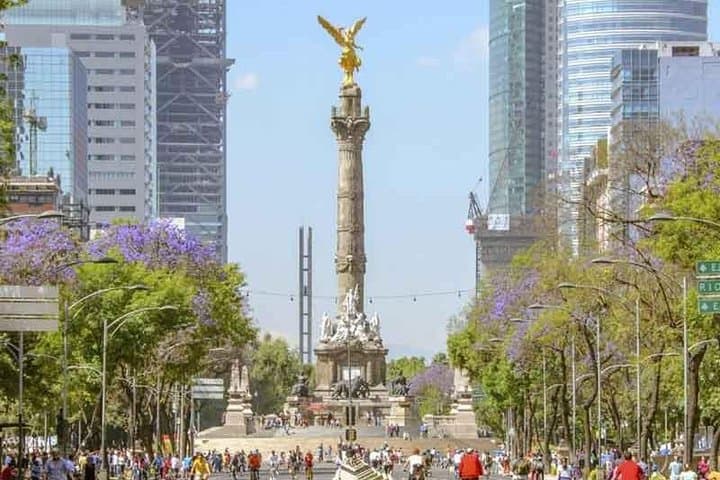
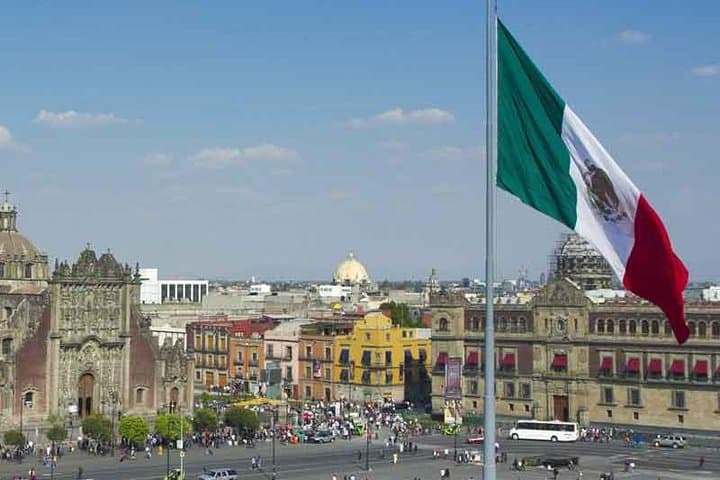
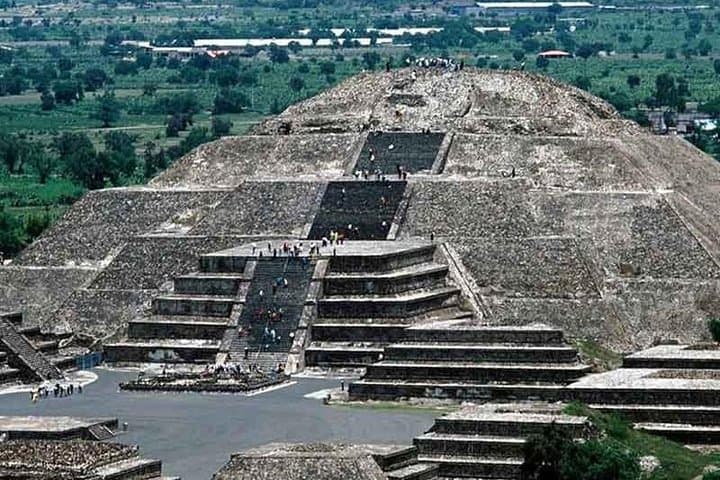
You meet beneath the Angel of Independence as the city yawns into morning light — buses idle on Paseo de la Reforma and vendors fold up awnings. On day one the tour threads through the Historic Center: the Zócalo's broad plaza, Diego Rivera murals in the National Palace, and then out of the urban grid toward the stone horizons of Teotihuacán. The Calzada de los Muertos stretches before you; the Pyramid of the Sun rises like a stepped hill you can climb for a panoramic tilt over the valley.
You meet beneath the Angel of Independence as the city yawns into morning light — buses idle on Paseo de la Reforma and vendors fold up awnings. On day one the tour threads through the Historic Center: the Zócalo's broad plaza, Diego Rivera murals in the National Palace, and then out of the urban grid toward the stone horizons of Teotihuacán. The Calzada de los Muertos stretches before you; the Pyramid of the Sun rises like a stepped hill you can climb for a panoramic tilt over the valley.
Teotihuacán, built between roughly 100–700 CE, is a planned metropolitan complex of volcanic rock, obsidian workshops and ceremonial architecture that shaped Mesoamerican urban design. The next day turns to colonial layers: Cuernavaca’s Palace of Cortés and shaded boulevards, then Taxco’s steep, cobbled alleys and baroque Santa Prisca — a town threaded through with centuries of silverworking that began in earnest after Spanish contact.
Practically speaking, expect two full days of mostly easy walking with some stair-climbing (the Pyramid of the Sun is about 200 steps). Distances: Mexico City to Teotihuacán ~50 km one way; Mexico City to Taxco ~170 km, to Cuernavaca ~90 km — both managed by air-conditioned coach in this two-day itinerary. Wear supportive shoes for cobbles and steps, bring sun protection and a refillable water bottle, and carry small bills for artisan stalls. Pickup is at the Angel of Independence around 8:45–9:00 AM; groups are capped at about 14 people. The route balances urban history, volcanic geology, and hands-on craft traditions — a compact, practical introduction to central Mexico’s landscapes and cultures.