THE ADVENTURE COLLECTIVE® · Independent discovery and booking for outdoor travel

A compact two-day loop from Tirana that combines the Blue Eye spring’s electric blue depths, UNESCO-listed Butrint’s layered ruins, and Gjirokastra’s steep stone streets. Ideal for travelers who want history, coastal scenery, and short walks without heavy hiking.
A compact two-day loop from Tirana that combines the Blue Eye spring’s electric blue depths, UNESCO-listed Butrint’s layered ruins, and Gjirokastra’s steep stone streets. Ideal for travelers who want history, coastal scenery, and short walks without heavy hiking.
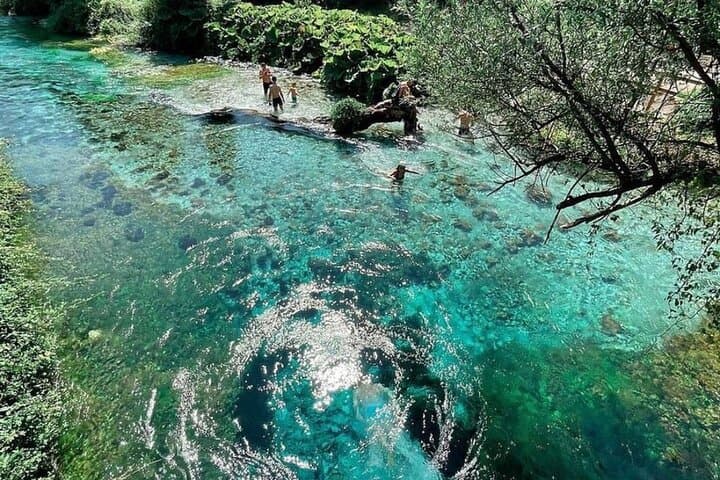
You peel away from Tirana’s morning traffic and the highway loosens into switchbacks, the sea arriving as a bright strip on the horizon. By late morning you’re standing at the Blue Eye (Syri i Kaltër), where a karst spring stares back in impossible blue — a bowl that drops more than fifty metres into cool, glass-clear water that seems to breathe.
Verified experiences and guided adventures in the surrounding area.
Operated by Zenith Travel & Tours · Saranda, Vlorë County
You peel away from Tirana’s morning traffic and the highway loosens into switchbacks, the sea arriving as a bright strip on the horizon. By late morning you’re standing at the Blue Eye (Syri i Kaltër), where a karst spring stares back in impossible blue — a bowl that drops more than fifty metres into cool, glass-clear water that seems to breathe.
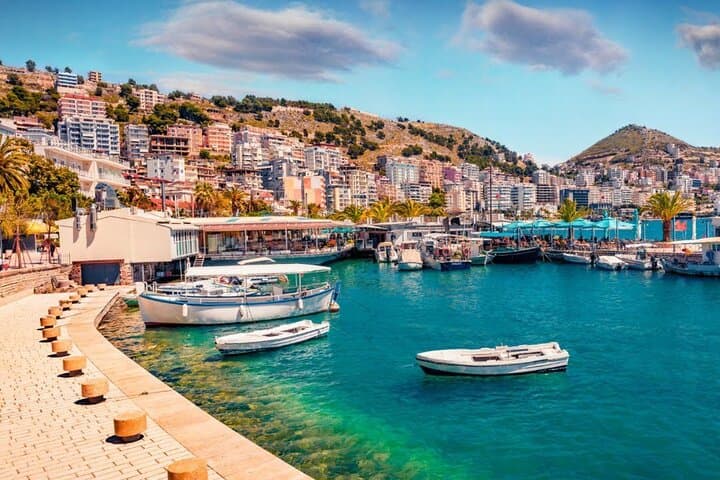
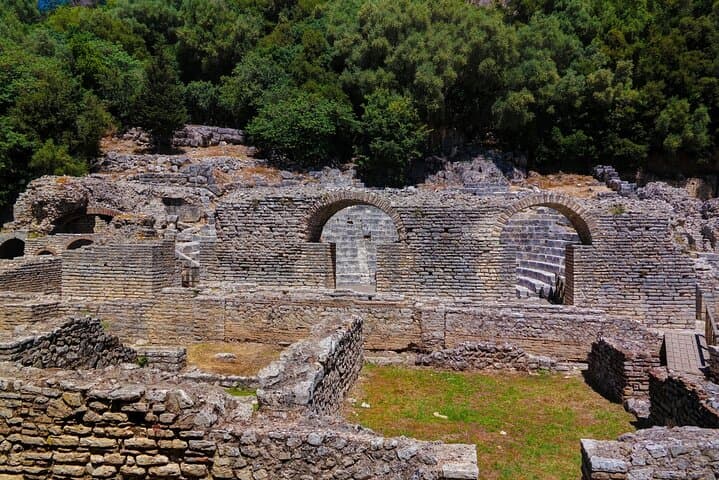
This two-day circuit threads together coastal panoramas, archaeological depth and Ottoman-era stone towns. Butrint National Park preserves layers of Greek, Roman, Byzantine and Venetian settlement settled on a lagoon that feeds migratory birds; the ruins — theater, baptistery, city walls — reveal how the landscape shaped human settlement. Gjirokastra, a UNESCO-listed “city of stone roofs” since 2005, climbs steep alleys where houses read like family histories carved from rock. Saranda provides the Ionian sunlight and beaches to unwind.
Expect driving legs of roughly 4–5 hours between Tirana and Saranda round-trip, with shorter transfers between sites. The tour includes private AC transport, a night at a 4-star hotel in Saranda, breakfast and Butrint entry; guided walks are mostly easy but uneven underfoot.
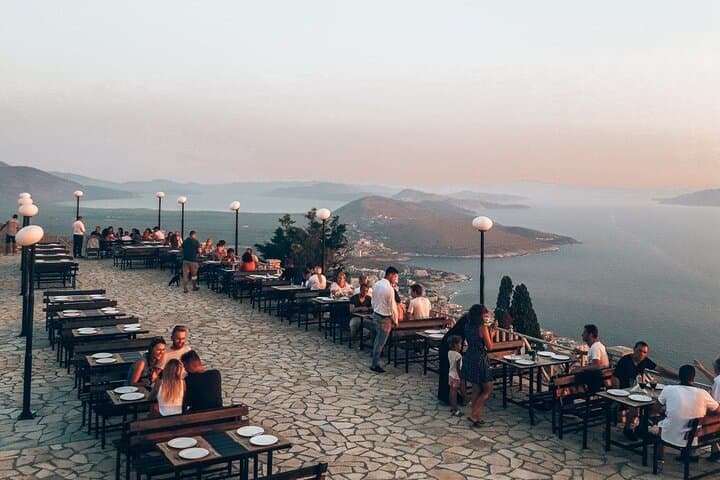
Practical edge: wear sturdy walking shoes for cobbled lanes and ruins, pack sun protection and a refillable water bottle, and bring a small amount of local currency for market stalls. Start early in summer to avoid peak heat, and stay on marked paths at archaeological sites — the fragile wetlands and springs respond to every footprint. Photographers will find low, golden light at Lekuresi Castle and quiet lagoons at Butrint; nature here is active and insistent, nudging you to slow down and respect it.
easy.
2 days.
Light to moderate mobility expected—short guided walks and standing, suitable for most fitness levels.
Yes — the tour lists entry/admission to Butrint National Park as included in the itinerary.
Plan for roughly 4–5 hours of travel each way depending on traffic and stops along the coastal route.
The tour is described as suitable for all physical fitness levels; however, cobbled streets and uneven ruins may be challenging for limited mobility—contact the operator about specific accommodations.
Breakfast is included; other meals such as lunch in Ksamil or dinner at Lekuresi Castle are optional and typically paid on-site.
Butrint preserves continuous human occupation across Greek, Roman, Byzantine and Venetian periods; Gjirokastra’s Ottoman-era stone houses earned UNESCO recognition in 2005.
Butrint’s wetlands are sensitive to visitor pressure—stick to marked trails and avoid single-use plastics; local guides often support small conservation fees and awareness.
Zenith Travel & Tours operates guided outdoor trips and adventures with an emphasis on safety, stewardship, and memorable experiences.
You peel away from Tirana’s morning traffic and the highway loosens into switchbacks, the sea arriving as a bright strip on the horizon. By late morning you’re standing at the Blue Eye (Syri i Kaltër), where a karst spring stares back in impossible blue — a bowl that drops more than fifty metres into cool, glass-clear water that seems to breathe.
You peel away from Tirana’s morning traffic and the highway loosens into switchbacks, the sea arriving as a bright strip on the horizon. By late morning you’re standing at the Blue Eye (Syri i Kaltër), where a karst spring stares back in impossible blue — a bowl that drops more than fifty metres into cool, glass-clear water that seems to breathe.
This two-day circuit threads together coastal panoramas, archaeological depth and Ottoman-era stone towns. Butrint National Park preserves layers of Greek, Roman, Byzantine and Venetian settlement settled on a lagoon that feeds migratory birds; the ruins — theater, baptistery, city walls — reveal how the landscape shaped human settlement. Gjirokastra, a UNESCO-listed “city of stone roofs” since 2005, climbs steep alleys where houses read like family histories carved from rock. Saranda provides the Ionian sunlight and beaches to unwind.
Expect driving legs of roughly 4–5 hours between Tirana and Saranda round-trip, with shorter transfers between sites. The tour includes private AC transport, a night at a 4-star hotel in Saranda, breakfast and Butrint entry; guided walks are mostly easy but uneven underfoot.
Practical edge: wear sturdy walking shoes for cobbled lanes and ruins, pack sun protection and a refillable water bottle, and bring a small amount of local currency for market stalls. Start early in summer to avoid peak heat, and stay on marked paths at archaeological sites — the fragile wetlands and springs respond to every footprint. Photographers will find low, golden light at Lekuresi Castle and quiet lagoons at Butrint; nature here is active and insistent, nudging you to slow down and respect it.