THE ADVENTURE COLLECTIVE® · Independent discovery and booking for outdoor travel

Two days along Iceland’s South Coast deliver thunderous falls, black sand beaches, a guided glacier walk and a boat among icebergs at Jökulsárlón. This practical guide outlines what to expect, how to prepare, and where to aim your camera for the best light.
Two days along Iceland’s South Coast deliver thunderous falls, black sand beaches, a guided glacier walk and a boat among icebergs at Jökulsárlón. This practical guide outlines what to expect, how to prepare, and where to aim your camera for the best light.
A low, gray morning in Reykjavík gives way to the rumble of waterfall spray as the minibus heads southeast along Ring Road. By mid-morning Seljalandsfoss announces itself with a curtain of water that dares you to walk behind it; later Skógafoss throws a column of mist into the air, its drop a clean 60 meters that has carved a steep stair you can climb for a different view.
Verified experiences and guided adventures in the surrounding area.
Operated by Troll Expeditions · Reykjavík, Southern Region
A low, gray morning in Reykjavík gives way to the rumble of waterfall spray as the minibus heads southeast along Ring Road. By mid-morning Seljalandsfoss announces itself with a curtain of water that dares you to walk behind it; later Skógafoss throws a column of mist into the air, its drop a clean 60 meters that has carved a steep stair you can climb for a different view.
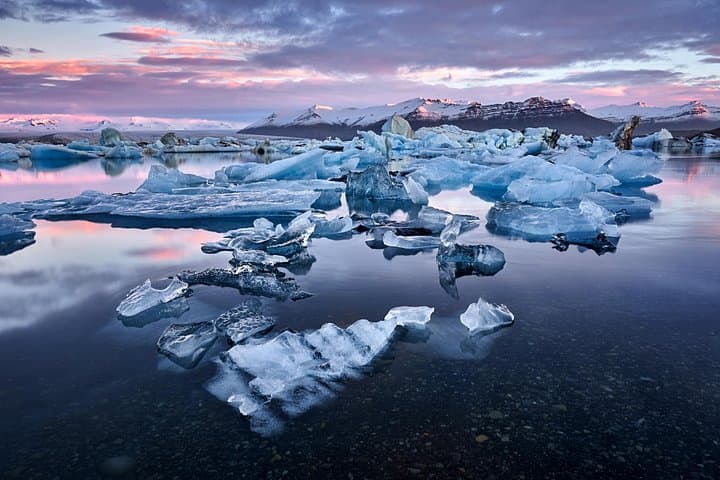
The South Coast is a landscape written in fire and ice — volcanic lava fields and layers of basalt contrast with the slow, patient advance of outlet glaciers off Vatnajökull. Reynisfjara's black sand and basalt columns tell of ancient lava cooling against a hungry sea, while Jökulsárlón lagoon holds millennia in floatable form: blue-tinged bergs calved from Breiðamerkurjökull drift toward the Atlantic before being sculpted by tides. Local culture still orbits these geologies; coastal farms, sagas, and a long history of seamanship mark the human thread.
Practically, expect two full days with one overnight in a basic South Coast hotel. Day hikes and boardwalks are short but can be wet and windy; the guided glacier walk is about 2–3 hours on mixed ice with provided crampons and helmets, and a summer zodiac/boat gives close-up iceberg views. Time your photos for softer light at sunrise or sunset, keep to marked paths, and bring layered waterproof clothing, warm gloves and sturdy boots — the coast will test anything that isn't prepared.
moderate.
2 days.
Suitable for people in average fitness; requires comfort with uneven terrain and walking 2–3 hours on glacial ice under guide supervision
Yes—this tour uses guided glacier routes and provides helmets and crampons; participants should be comfortable walking on uneven surfaces for 2–3 hours but no prior glacier experience is required.
Yes—boat rides among the icebergs are included when operational (typically in summer); availability may vary with season and weather.
Puffins nest on nearby cliffs mainly from June to August; sightings are most likely in mid-summer but never guaranteed.
The trip typically includes a 2–3 star hotel with private bathroom; it’s basic but comfortable and positioned to shorten the next day’s drive east.
The coastline reflects repeated cycles of volcanic eruptions and glacial advance; Breiðamerkurjökull is an outlet of Vatnajökull, Europe’s largest ice cap, and local farms have long adapted to the shifting landscape.
This coastline is ecologically fragile—stay on marked paths, avoid stepping on moss or moving ice, and don’t remove ice fragments or stones from protected beaches.
Troll Expeditions operates guided outdoor trips and adventures with an emphasis on safety, stewardship, and memorable experiences.
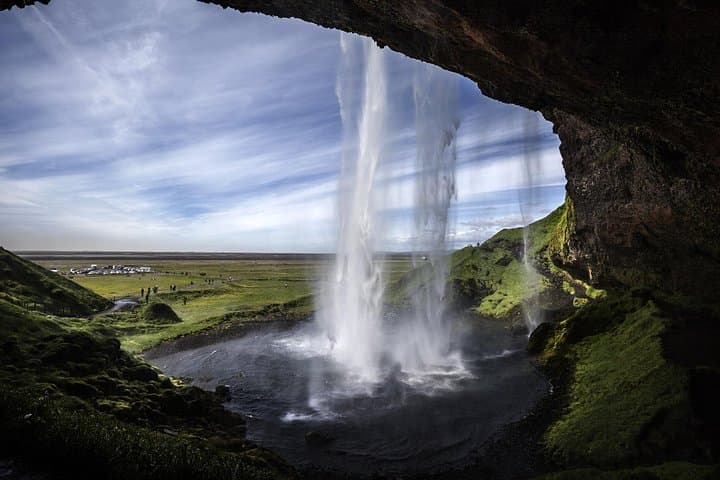
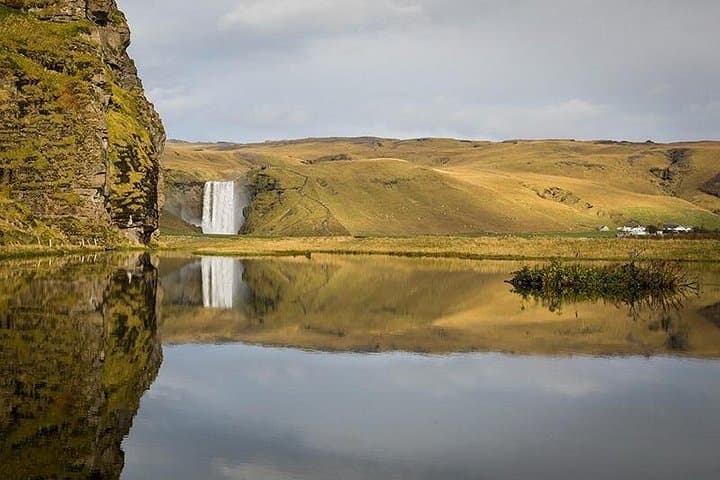
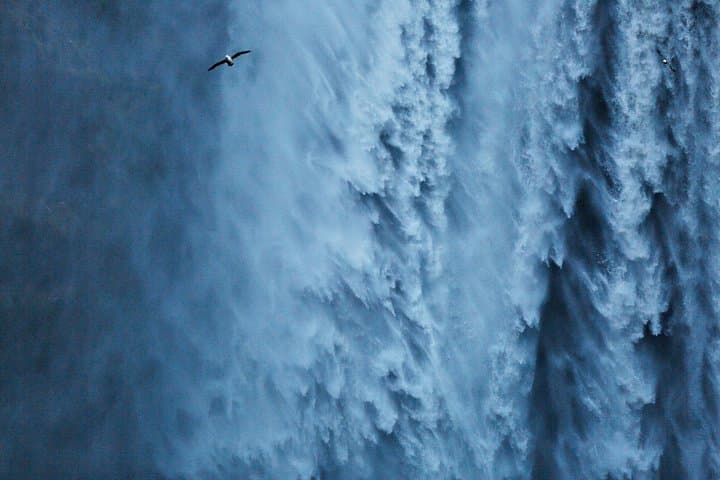
A low, gray morning in Reykjavík gives way to the rumble of waterfall spray as the minibus heads southeast along Ring Road. By mid-morning Seljalandsfoss announces itself with a curtain of water that dares you to walk behind it; later Skógafoss throws a column of mist into the air, its drop a clean 60 meters that has carved a steep stair you can climb for a different view.
A low, gray morning in Reykjavík gives way to the rumble of waterfall spray as the minibus heads southeast along Ring Road. By mid-morning Seljalandsfoss announces itself with a curtain of water that dares you to walk behind it; later Skógafoss throws a column of mist into the air, its drop a clean 60 meters that has carved a steep stair you can climb for a different view.
The South Coast is a landscape written in fire and ice — volcanic lava fields and layers of basalt contrast with the slow, patient advance of outlet glaciers off Vatnajökull. Reynisfjara's black sand and basalt columns tell of ancient lava cooling against a hungry sea, while Jökulsárlón lagoon holds millennia in floatable form: blue-tinged bergs calved from Breiðamerkurjökull drift toward the Atlantic before being sculpted by tides. Local culture still orbits these geologies; coastal farms, sagas, and a long history of seamanship mark the human thread.
Practically, expect two full days with one overnight in a basic South Coast hotel. Day hikes and boardwalks are short but can be wet and windy; the guided glacier walk is about 2–3 hours on mixed ice with provided crampons and helmets, and a summer zodiac/boat gives close-up iceberg views. Time your photos for softer light at sunrise or sunset, keep to marked paths, and bring layered waterproof clothing, warm gloves and sturdy boots — the coast will test anything that isn't prepared.