THE ADVENTURE COLLECTIVE® · Independent discovery and booking for outdoor travel

Two days of coastal drive and ancient ruins link Llogara’s high ridges to Ksamil’s shallow islets, ending with UNESCO‑rated Butrint and the Ottoman stones of Gjirokastra. Expect scenic drives, short swims, and easy walks across uneven terrain.
Two days of coastal drive and ancient ruins link Llogara’s high ridges to Ksamil’s shallow islets, ending with UNESCO‑rated Butrint and the Ottoman stones of Gjirokastra. Expect scenic drives, short swims, and easy walks across uneven terrain.
You crest Llogara Pass at about 1,000 meters and the air opens — the Ionian slopes push you toward turquoise coves below as the road snakes down into sunlit terraces of olive and pine.
Verified experiences and guided adventures in the surrounding area.
Operated by Albania Inbound · Saranda, Vlorë
You crest Llogara Pass at about 1,000 meters and the air opens — the Ionian slopes push you toward turquoise coves below as the road snakes down into sunlit terraces of olive and pine.
This two-day route stitches high coastal panoramas with layered history: Ottoman stone houses in Gjirokastra, Venetian walls and a Roman forum at Butrint, and scattered Cold War relics along the shore. Geologically the coast is limestone and karst; springs such as the Blue Eye (Syri i Kaltër) bubble from submerged caverns, while the shelf above feeds narrow beaches and steep headlands that funnel wind and waves.
Culturally the region is compact but varied — Orthodox churches and Muslim tekkes, market stalls in Gjirokastra, and seaside tavernas in Ksamil offering the day’s catch. Small fishing boats and occasional paraglider wings animate the horizon.
Practical guidance: expect long drives on coastal roads (Tirana to Saranda is roughly 4–5 hours); most walking at sites is low-impact but surfaces are uneven — cobbles and archaeological ruins require stable footwear. Plan swims in Ksamil or Dhermi where water is calm; Blue Eye has cool spring water and limited access. Bring sun protection, refillable water, and cash for small vendors in villages. Travel in shoulder seasons to avoid midsummer crowds and to enjoy cooler hiking from Llogara’s ridges.
Logistics: the tour typically includes one hotel night in Saranda and private transport; entrances to UNESCO Butrint and Blue Eye may require separate fees. Pace your day: morning viewpoints, midday beaches, and late-afternoon walks through old towns for best light and cooler temperatures.
moderate.
2 days.
Light to moderate fitness: able to walk 1–3 miles across uneven ground and climb short stairways.
Expect several hours of scenic driving each day; the tour links high Llogara viewpoints with coastal beaches and inland towns, so you’ll spend time on SH8 and mountain roads.
The tour price commonly covers transportation and one night’s accommodation; some site entrance fees may be extra—confirm with the operator before travel.
Yes — the itinerary is rated easy to moderate. Short walks and rest stops make it family friendly, but cobbles and uneven terrain can be challenging for limited mobility.
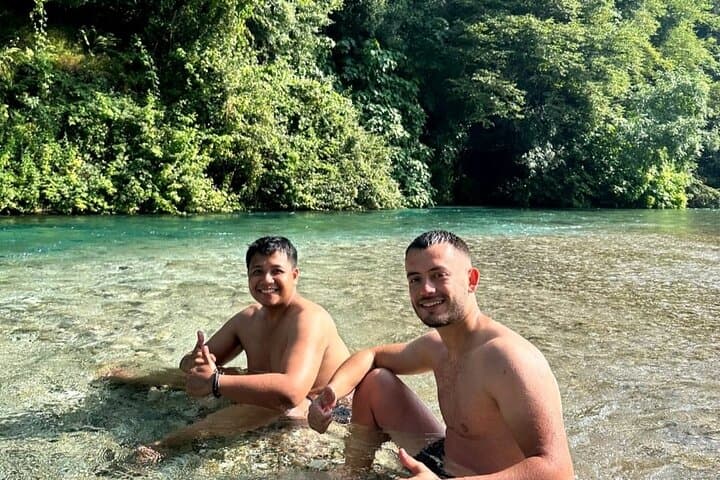
Yes at beach stops like Ksamil and Dhermi; the Blue Eye is a cold spring and not ideal for long swims—use caution and check access rules.
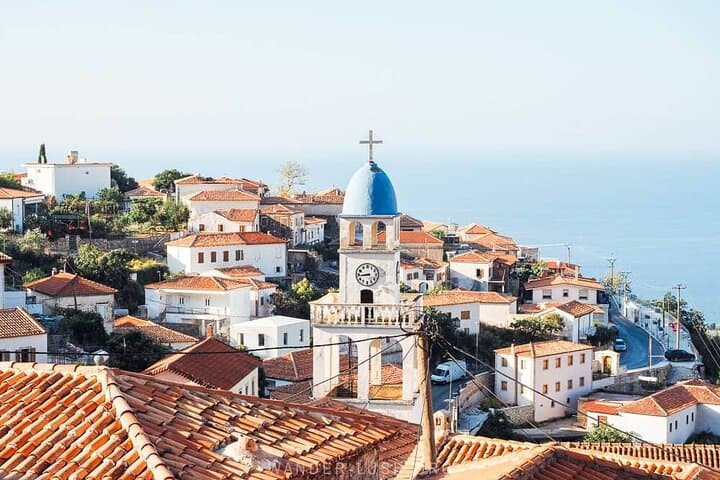
Butrint is a UNESCO World Heritage Site with Greek, Roman and Venetian layers; nearby Gjirokastra preserves Ottoman-era stone houses and a hilltop castle.
These coastal and archaeological sites are sensitive — stick to marked paths, avoid littering, and use refillable water and local services to reduce impact.
Albania Inbound operates guided outdoor trips and adventures with an emphasis on safety, stewardship, and memorable experiences.
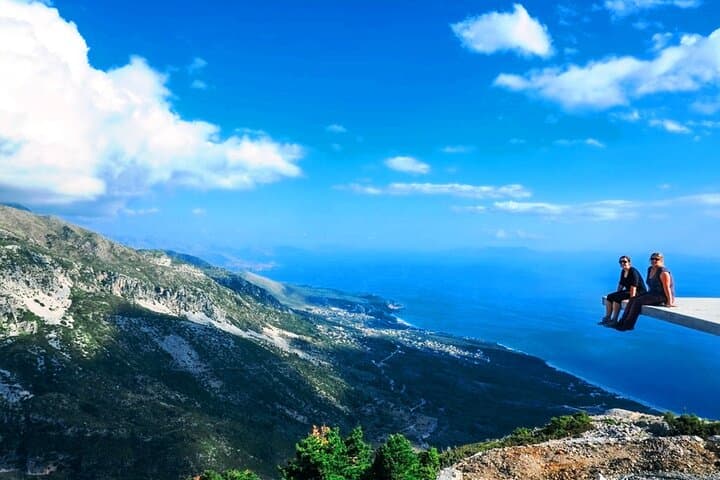
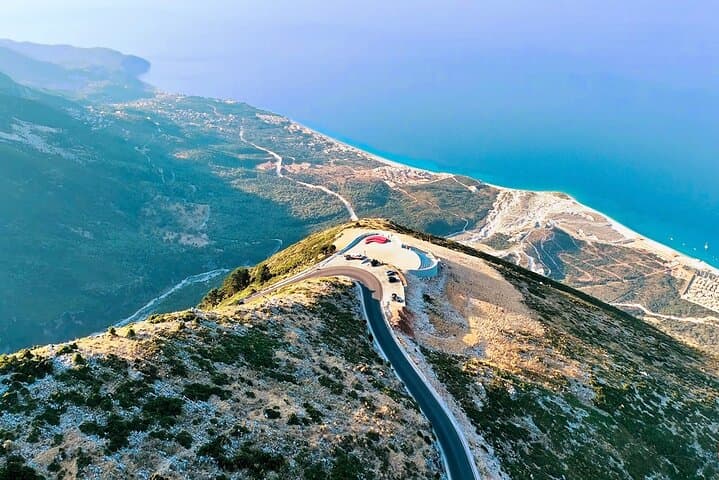
You crest Llogara Pass at about 1,000 meters and the air opens — the Ionian slopes push you toward turquoise coves below as the road snakes down into sunlit terraces of olive and pine.
You crest Llogara Pass at about 1,000 meters and the air opens — the Ionian slopes push you toward turquoise coves below as the road snakes down into sunlit terraces of olive and pine.
This two-day route stitches high coastal panoramas with layered history: Ottoman stone houses in Gjirokastra, Venetian walls and a Roman forum at Butrint, and scattered Cold War relics along the shore. Geologically the coast is limestone and karst; springs such as the Blue Eye (Syri i Kaltër) bubble from submerged caverns, while the shelf above feeds narrow beaches and steep headlands that funnel wind and waves.
Culturally the region is compact but varied — Orthodox churches and Muslim tekkes, market stalls in Gjirokastra, and seaside tavernas in Ksamil offering the day’s catch. Small fishing boats and occasional paraglider wings animate the horizon.
Practical guidance: expect long drives on coastal roads (Tirana to Saranda is roughly 4–5 hours); most walking at sites is low-impact but surfaces are uneven — cobbles and archaeological ruins require stable footwear. Plan swims in Ksamil or Dhermi where water is calm; Blue Eye has cool spring water and limited access. Bring sun protection, refillable water, and cash for small vendors in villages. Travel in shoulder seasons to avoid midsummer crowds and to enjoy cooler hiking from Llogara’s ridges.
Logistics: the tour typically includes one hotel night in Saranda and private transport; entrances to UNESCO Butrint and Blue Eye may require separate fees. Pace your day: morning viewpoints, midday beaches, and late-afternoon walks through old towns for best light and cooler temperatures.