THE ADVENTURE COLLECTIVE® · Independent discovery and booking for outdoor travel

Spend 48 hours learning practical forest survival in Södermanland: firecraft, shelter-building, foraging, fishing and navigation led in small groups. Hands-on training and simple camp routines make this a focused, field-tested introduction to living in the Scandinavian woods.
Spend 48 hours learning practical forest survival in Södermanland: firecraft, shelter-building, foraging, fishing and navigation led in small groups. Hands-on training and simple camp routines make this a focused, field-tested introduction to living in the Scandinavian woods.
Mist clings to the pines as you step off the van and into the hush of Södermanland’s mixed forest — a place where stone walls mark old fields and bogs carve copper lines into the land. Over two days you work with simple tools and local materials, letting the landscape set the lesson plan: how to coax a flame from damp tinder, braid a lean-to from spruce boughs, and read the subtle signs animals leave on soft ground.
Verified experiences and guided adventures in the surrounding area.
Operated by True Nature Sweden · Nyköping, Södermanland County
Mist clings to the pines as you step off the van and into the hush of Södermanland’s mixed forest — a place where stone walls mark old fields and bogs carve copper lines into the land. Over two days you work with simple tools and local materials, letting the landscape set the lesson plan: how to coax a flame from damp tinder, braid a lean-to from spruce boughs, and read the subtle signs animals leave on soft ground.
Södermanland’s low hills and glacially scoured lakes have sheltered people since the Bronze Age; manor farms and rune stones scatter the countryside, and much of the terrain is shaped by the last Ice Age — rocky outcrops, moraine ridges, and peat-rich wetlands. The course uses that mix, teaching edible and medicinal plants native to southern Sweden, basic trapping and fishing methods suited to the archipelago and inland streams, and compass-and-map orientation that applies whether you’re on a shoreline trail or a mossy ridge.
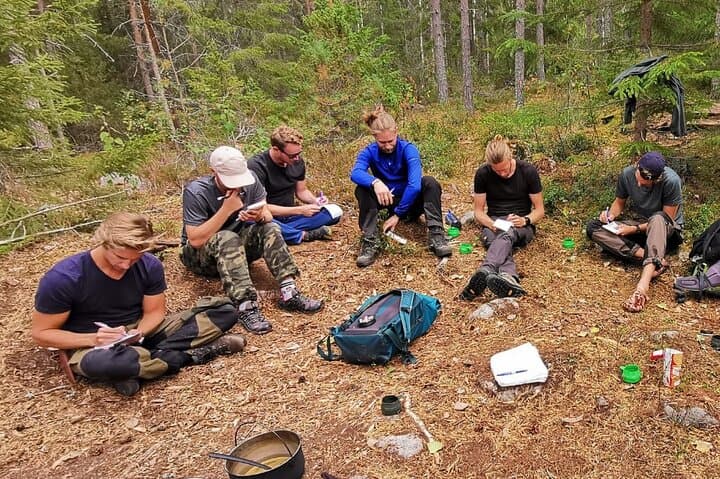
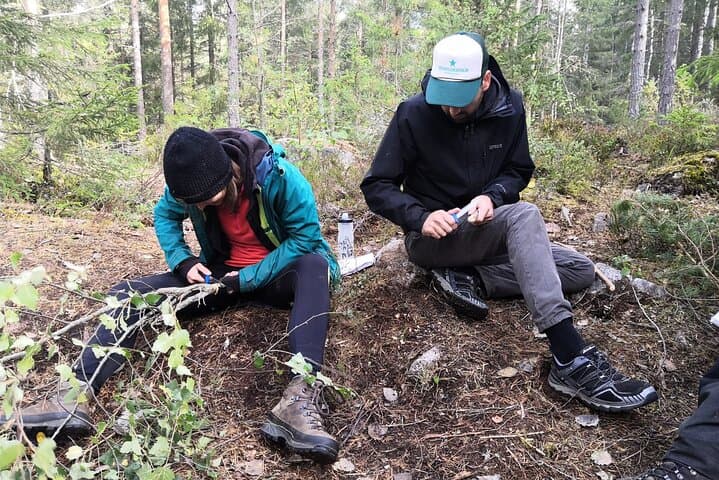
Practically, expect hands-on, instructor-led sessions, group shelter builds, and simple campsite routines. Meals are provided and basic gear is supplied, but bring sturdy boots, warm layers, and a personal water bottle. Hydration, shelter, and fire are prioritized each lesson; instructors emphasize low-impact techniques and wildlife awareness.
If you want to leave with usable skills rather than theory, arrive curious, ready to get your hands dirty, and prepared to practice navigation and campcraft until muscle memory takes over. The course is ideal for hikers, hunters, or anyone who wants practical confidence outdoors.
moderate.
2 days (48 hours).
Suitable for most fitness levels; be able to walk on uneven terrain and participate in hands-on construction tasks for several hours.
Courses are typically led in English; confirm language availability when booking if you require another language.
No — the course is designed for beginners and builds skills from the ground up with hands-on instruction.
Basic gear and all meals are included, but participants should bring personal layers, boots, and a daypack for comfort.
Training continues with weather-appropriate adjustments; instructors teach cold- and wet-weather techniques, and organizers may reschedule if conditions are unsafe.
Södermanland has long human roots — from Bronze Age burial sites to medieval estates — and the landscape reflects centuries of agriculture, forestry and shoreline livelihoods.
Instructors emphasize Leave No Trace: minimize campfire impact, avoid trampling sensitive bog vegetation, and respect protected plant and bird habitats.
True Nature Sweden operates guided outdoor trips and adventures with an emphasis on safety, stewardship, and memorable experiences.
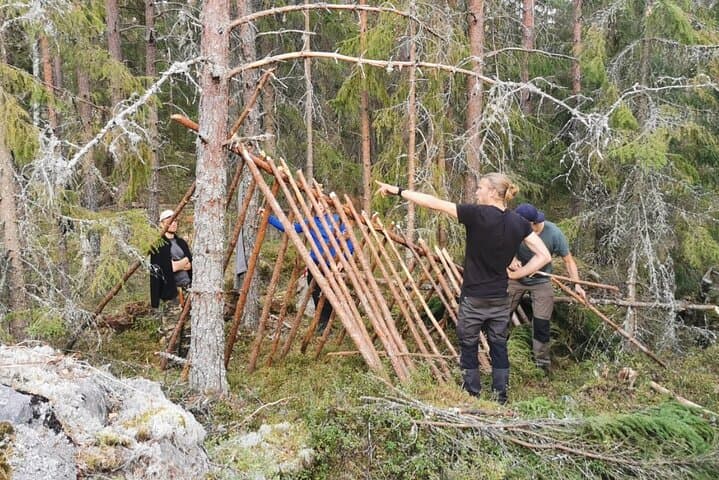
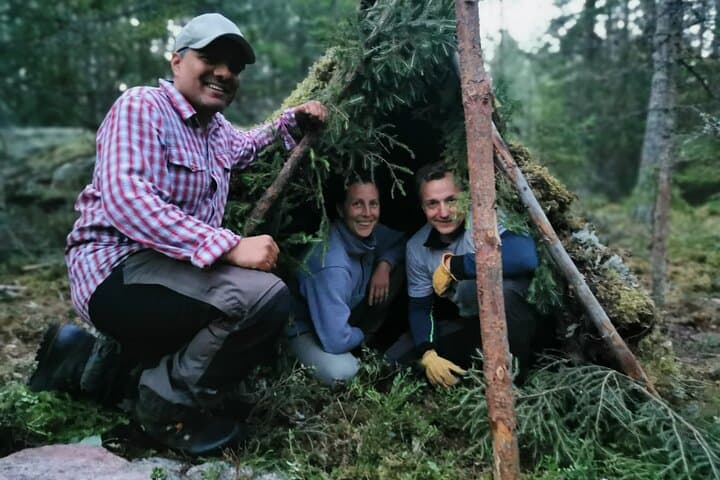
Mist clings to the pines as you step off the van and into the hush of Södermanland’s mixed forest — a place where stone walls mark old fields and bogs carve copper lines into the land. Over two days you work with simple tools and local materials, letting the landscape set the lesson plan: how to coax a flame from damp tinder, braid a lean-to from spruce boughs, and read the subtle signs animals leave on soft ground.
Mist clings to the pines as you step off the van and into the hush of Södermanland’s mixed forest — a place where stone walls mark old fields and bogs carve copper lines into the land. Over two days you work with simple tools and local materials, letting the landscape set the lesson plan: how to coax a flame from damp tinder, braid a lean-to from spruce boughs, and read the subtle signs animals leave on soft ground.
Södermanland’s low hills and glacially scoured lakes have sheltered people since the Bronze Age; manor farms and rune stones scatter the countryside, and much of the terrain is shaped by the last Ice Age — rocky outcrops, moraine ridges, and peat-rich wetlands. The course uses that mix, teaching edible and medicinal plants native to southern Sweden, basic trapping and fishing methods suited to the archipelago and inland streams, and compass-and-map orientation that applies whether you’re on a shoreline trail or a mossy ridge.
Practically, expect hands-on, instructor-led sessions, group shelter builds, and simple campsite routines. Meals are provided and basic gear is supplied, but bring sturdy boots, warm layers, and a personal water bottle. Hydration, shelter, and fire are prioritized each lesson; instructors emphasize low-impact techniques and wildlife awareness.
If you want to leave with usable skills rather than theory, arrive curious, ready to get your hands dirty, and prepared to practice navigation and campcraft until muscle memory takes over. The course is ideal for hikers, hunters, or anyone who wants practical confidence outdoors.