THE ADVENTURE COLLECTIVE® · Independent discovery and booking for outdoor travel

Short on time but want the classic arrival at Machu Picchu through the Sun Gate? This two-day itinerary condenses Inca Trail highlights—cloud forest, stone stairways, and Wiñayhuayna—into a compact, high-altitude hiking experience with an overnight in Aguas Calientes.
Short on time but want the classic arrival at Machu Picchu through the Sun Gate? This two-day itinerary condenses Inca Trail highlights—cloud forest, stone stairways, and Wiñayhuayna—into a compact, high-altitude hiking experience with an overnight in Aguas Calientes.
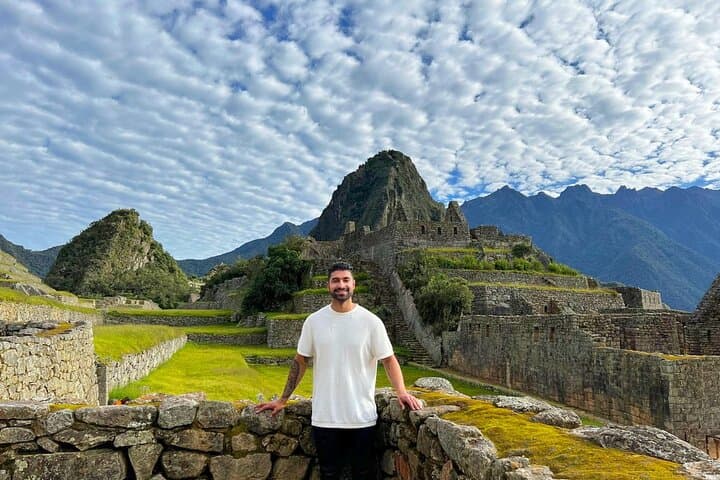
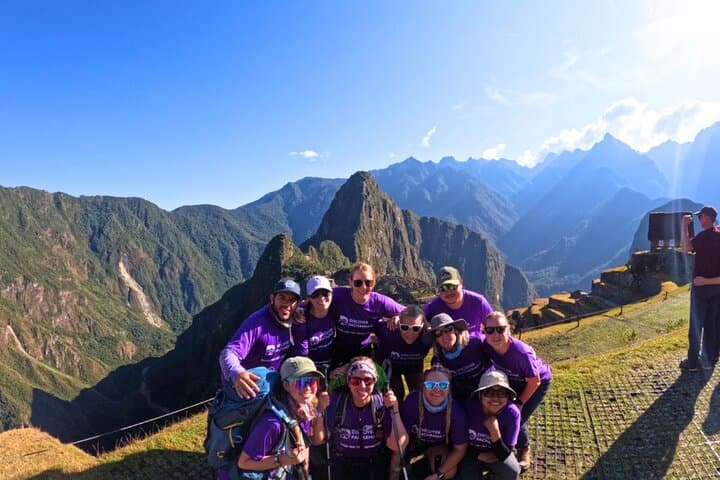
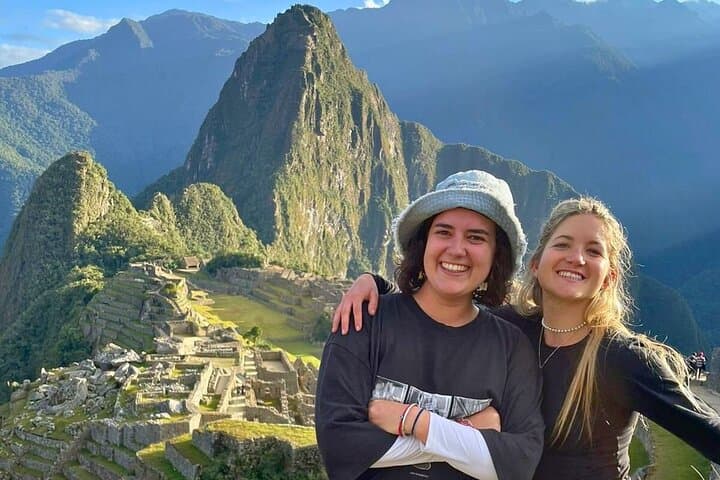
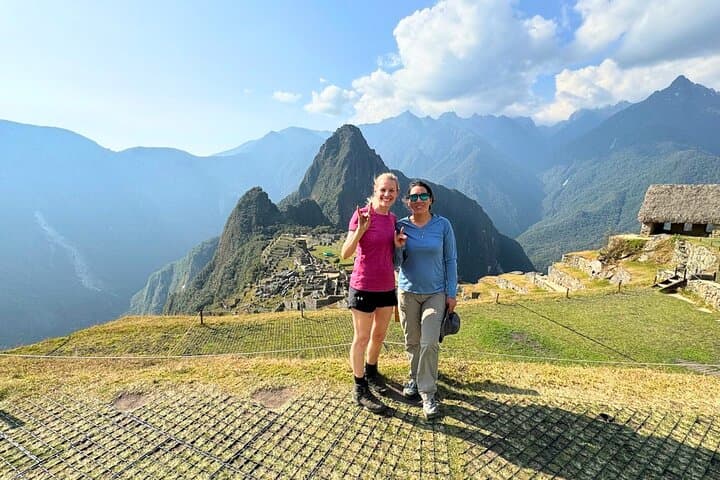
Dawn in the Sacred Valley begins with a train cut through mist and eucalyptus—by mid-morning the trail narrows into a ribbon of ancient stone and cloud forest. On this short Inca Trail most groups follow the original footpath from KM 104, threading past Chachabamba ruins and the terraced shoulders of Wiñayhuayna before the terrain rises toward Inti Punku, the Sun Gate. The citadel of Machu Picchu appears like a staged reveal: terraces and temples unfolding below as the cloud forest breathes around you.
Verified experiences and guided adventures in the surrounding area.
Operated by Discover Pachamama · Aguas Calientes, Cusco Region
Dawn in the Sacred Valley begins with a train cut through mist and eucalyptus—by mid-morning the trail narrows into a ribbon of ancient stone and cloud forest. On this short Inca Trail most groups follow the original footpath from KM 104, threading past Chachabamba ruins and the terraced shoulders of Wiñayhuayna before the terrain rises toward Inti Punku, the Sun Gate. The citadel of Machu Picchu appears like a staged reveal: terraces and temples unfolding below as the cloud forest breathes around you.
The route is as much archaeology as hike. Built and used by the Incas, the trail links a network of settlements and ceremonial sites; Wiñayhuayna’s stonework and agricultural terraces show engineering adapted to steep slopes and high precipitation. Geologically, the range is young Andes—steep, folded granite and volcanic soils that hold cloud forest at mid-elevations and support orchids and Polylepis groves. Local Quechua culture remains visible in nearby towns; many guides are bilingual and carry oral histories about the sites.
Practically: the two-day itinerary combines a 10–14 km hike on day one with roughly 400–700 m of cumulative ascent depending on exact start points, overnight in Aguas Calientes, then a guided tour of Machu Picchu the next morning. Expect uneven stone steps, slippery sections when wet, and high-altitude effects if you’re coming from sea level. Pack layered clothing, rain protection, and a small daypack; bring cash in Aguas Calientes for food and tips. Permits are required and the route is guided; book well in advance for high season.
challenging.
2 days.
Requires good cardiovascular fitness and stair-climbing strength; able to carry a 6–8 kg daypack and hike up to 12–14 km with steep sections.
Yes—Inca Trail permits and Machu Picchu entrance tickets are required and included with this tour; they sell out in high season so book months ahead.
The short route covers fewer kilometers and lower passes but remains steep and physically demanding due to stone stairways and altitude; fitness comparable to a strenuous day hike is needed.
Cusco sits around 3,400 m; Machu Picchu is approximately 2,430 m—expect brief altitude-related symptoms if you arrive from low elevations without acclimatization.
Yes—this itinerary includes a 3-star hotel night in Aguas Calientes where basic amenities are available; dining options vary and many stalls are cash-only.
Sections of the Inca Trail formed part of an imperial road network used for ceremonies and administration connecting Cusco to the eastern valleys and Machu Picchu.
Trail access is limited by permit to reduce erosion and visitor impact; carry out all trash, stick to designated paths, and follow guide instructions to protect fragile cloud-forest habitats.
Discover Pachamama operates guided outdoor trips and adventures with an emphasis on safety, stewardship, and memorable experiences.
Dawn in the Sacred Valley begins with a train cut through mist and eucalyptus—by mid-morning the trail narrows into a ribbon of ancient stone and cloud forest. On this short Inca Trail most groups follow the original footpath from KM 104, threading past Chachabamba ruins and the terraced shoulders of Wiñayhuayna before the terrain rises toward Inti Punku, the Sun Gate. The citadel of Machu Picchu appears like a staged reveal: terraces and temples unfolding below as the cloud forest breathes around you.
Dawn in the Sacred Valley begins with a train cut through mist and eucalyptus—by mid-morning the trail narrows into a ribbon of ancient stone and cloud forest. On this short Inca Trail most groups follow the original footpath from KM 104, threading past Chachabamba ruins and the terraced shoulders of Wiñayhuayna before the terrain rises toward Inti Punku, the Sun Gate. The citadel of Machu Picchu appears like a staged reveal: terraces and temples unfolding below as the cloud forest breathes around you.
The route is as much archaeology as hike. Built and used by the Incas, the trail links a network of settlements and ceremonial sites; Wiñayhuayna’s stonework and agricultural terraces show engineering adapted to steep slopes and high precipitation. Geologically, the range is young Andes—steep, folded granite and volcanic soils that hold cloud forest at mid-elevations and support orchids and Polylepis groves. Local Quechua culture remains visible in nearby towns; many guides are bilingual and carry oral histories about the sites.
Practically: the two-day itinerary combines a 10–14 km hike on day one with roughly 400–700 m of cumulative ascent depending on exact start points, overnight in Aguas Calientes, then a guided tour of Machu Picchu the next morning. Expect uneven stone steps, slippery sections when wet, and high-altitude effects if you’re coming from sea level. Pack layered clothing, rain protection, and a small daypack; bring cash in Aguas Calientes for food and tips. Permits are required and the route is guided; book well in advance for high season.