THE ADVENTURE COLLECTIVE® · Independent discovery and booking for outdoor travel

A private two-day guided traverse of Seoraksan that pairs dramatic granite ridges and plunging waterfalls with coastal temple views. Hike Ulsanbawi, ride the Gwongeumseong cable car, and watch the sunrise at Naksansa while relying on local guides and hotel comfort.
A private two-day guided traverse of Seoraksan that pairs dramatic granite ridges and plunging waterfalls with coastal temple views. Hike Ulsanbawi, ride the Gwongeumseong cable car, and watch the sunrise at Naksansa while relying on local guides and hotel comfort.
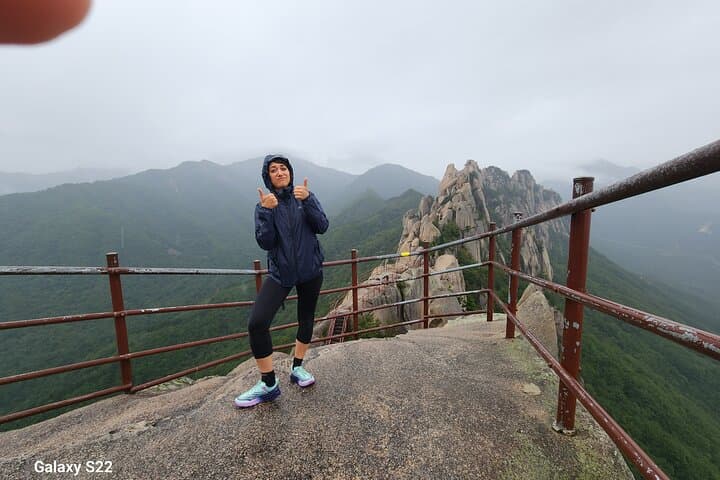
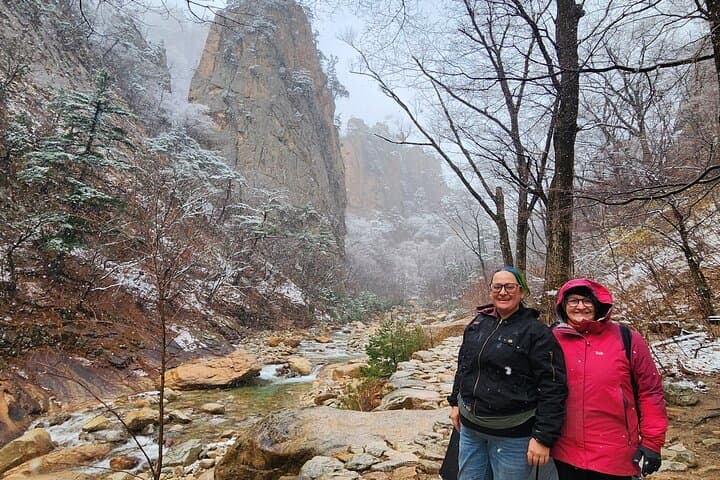
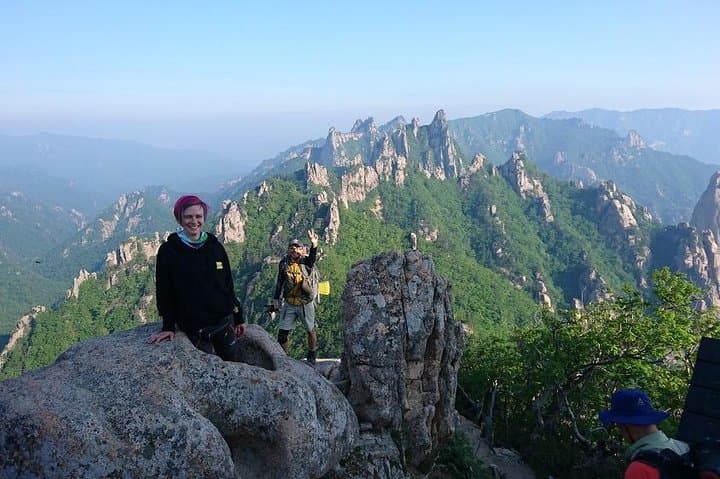
You emerge from the bus into cold, clean air and the mountain answers immediately: a ribbon of stream, granite ribs rising like the ribs of an old ship, and the distant hammer of water on rock. On day one the trail tilts and the forest closes around you—pines and birch throwing dappled light—while gulls call from far-off coastal cliffs. By afternoon you are inching up the iron ladders toward Ulsanbawi, the six-faced granite crown that dominates Seoraksan. The rock has a voice here; wind threads through its seams and the view back toward the East Sea flattens the world into a bright strip of horizon.
Verified experiences and guided adventures in the surrounding area.
Operated by Bergen travel · Sokcho, Gangwon-do
You emerge from the bus into cold, clean air and the mountain answers immediately: a ribbon of stream, granite ribs rising like the ribs of an old ship, and the distant hammer of water on rock. On day one the trail tilts and the forest closes around you—pines and birch throwing dappled light—while gulls call from far-off coastal cliffs. By afternoon you are inching up the iron ladders toward Ulsanbawi, the six-faced granite crown that dominates Seoraksan. The rock has a voice here; wind threads through its seams and the view back toward the East Sea flattens the world into a bright strip of horizon.
Seoraksan’s story is both geologic and human: hard, ancient granite carved by glaciation and rivers into cliffs and basins, and a landscape managed as a national park since 1970 and a UNESCO biosphere reserve since 1982. Buddhist temples anchor the coast and high ridges—Sinheungsa sits near the valley; Naksansa, rebuilt many times since its founding in 671, watches the sunrise over the East Sea from a cliff. Local culture is maritime and mountain-shaped: seafood markets in nearby towns feed mountaineers, and makgeolli and barbecue around evening tables are part of the ritual of recovery after a long day on the trail.
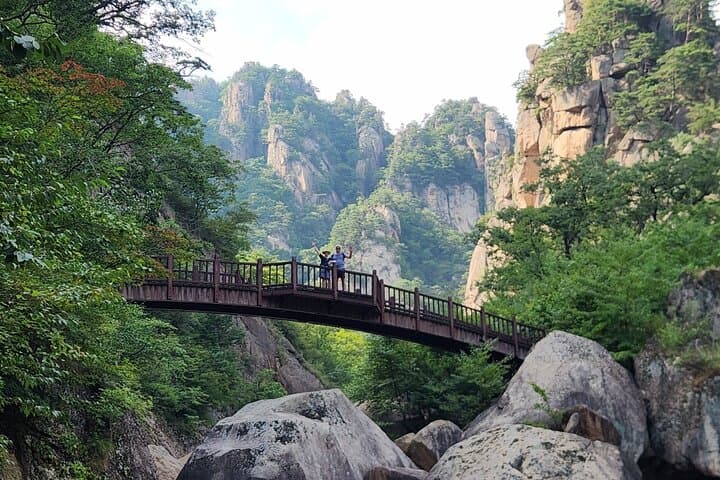
This private two-day itinerary stitches together the park’s best: four to five hours of hiking each day through Cheonbuldong’s deep granite valley and the “twelve fairy basins” with their stepwater pools and falls, a challenging 8 km round-trip to Ulsanbawi with iron stairs and exposed sections reaching roughly 900 m, a cable-car ride to Gwongeumseong for panoramic relief, and a contemplative morning at Naksansa. Guides carry lunch boxes and local insight; nights are in a comfortable local hotel, giving you hot showers and a table piled with East Coast seafood.
Practical edge: expect steep, rocky sections and short stretches of fixed ironwork—sturdy footwear and trekking poles matter. Weather turns fast on Seoraksan; dawn can be still and bright while afternoon brings wind and fog. Hydrate early, layer for wind and sun, and pace the climbs—this is a route that rewards steady rhythm more than sprinting. If you want photos, aim for sunrise views at Naksansa or late-afternoon light on Ulsanbawi; the cable car gives a different, high-angle perspective of the valleys.
For planners: it’s a two-night cycle from Seoul with about 2.5 hours’ drive to the park. Guides advise a moderate level of fitness, no serious technical climbing skills are required, and the trip blends natural highlights with cultural stops—temples, a cable car, and nights back in town. The mountains push and support you in equal measure: they challenge your legs and widen your view in the same step.
moderate.
2 days (4–5 hours hiking per day).
Moderately fit: regular hill walking or stair training will prepare you for the sustained climbs and uneven terrain.
The round-trip Ulsanbawi trail is about 8 km and typically takes roughly 4 hours including rest and photo stops, with steep iron stairs near the summit.
Travelers should have moderate fitness; no technical climbing skills are required, but steep sections and long day distances make it unsuitable for total beginners.
Yes—private pickup and drop-off at hotels in Seoul are included; expect about 2.5 hours driving each way to Seoraksan.
Coastal mountain weather changes quickly—cool mornings, possible afternoon fog or rain, and strong winds at exposed ridges; layers are essential.
Yes—Sinheungsa and Naksansa visits are part of the itinerary, including cultural context from your guide.
Children under 15 must be accompanied by an adult; consider the trail difficulty and stair sections before booking.
Seoraksan was designated a nature reserve in 1965 and became a UNESCO biosphere reserve in 1982; Naksansa Temple dates back to 671 and has been rebuilt many times.
Stick to marked trails to protect fragile alpine plants and the park’s rare species; avoid feeding wildlife and pack out all trash.
Bergen travel operates guided outdoor trips and adventures with an emphasis on safety, stewardship, and memorable experiences.
You emerge from the bus into cold, clean air and the mountain answers immediately: a ribbon of stream, granite ribs rising like the ribs of an old ship, and the distant hammer of water on rock. On day one the trail tilts and the forest closes around you—pines and birch throwing dappled light—while gulls call from far-off coastal cliffs. By afternoon you are inching up the iron ladders toward Ulsanbawi, the six-faced granite crown that dominates Seoraksan. The rock has a voice here; wind threads through its seams and the view back toward the East Sea flattens the world into a bright strip of horizon.
You emerge from the bus into cold, clean air and the mountain answers immediately: a ribbon of stream, granite ribs rising like the ribs of an old ship, and the distant hammer of water on rock. On day one the trail tilts and the forest closes around you—pines and birch throwing dappled light—while gulls call from far-off coastal cliffs. By afternoon you are inching up the iron ladders toward Ulsanbawi, the six-faced granite crown that dominates Seoraksan. The rock has a voice here; wind threads through its seams and the view back toward the East Sea flattens the world into a bright strip of horizon.
Seoraksan’s story is both geologic and human: hard, ancient granite carved by glaciation and rivers into cliffs and basins, and a landscape managed as a national park since 1970 and a UNESCO biosphere reserve since 1982. Buddhist temples anchor the coast and high ridges—Sinheungsa sits near the valley; Naksansa, rebuilt many times since its founding in 671, watches the sunrise over the East Sea from a cliff. Local culture is maritime and mountain-shaped: seafood markets in nearby towns feed mountaineers, and makgeolli and barbecue around evening tables are part of the ritual of recovery after a long day on the trail.
This private two-day itinerary stitches together the park’s best: four to five hours of hiking each day through Cheonbuldong’s deep granite valley and the “twelve fairy basins” with their stepwater pools and falls, a challenging 8 km round-trip to Ulsanbawi with iron stairs and exposed sections reaching roughly 900 m, a cable-car ride to Gwongeumseong for panoramic relief, and a contemplative morning at Naksansa. Guides carry lunch boxes and local insight; nights are in a comfortable local hotel, giving you hot showers and a table piled with East Coast seafood.
Practical edge: expect steep, rocky sections and short stretches of fixed ironwork—sturdy footwear and trekking poles matter. Weather turns fast on Seoraksan; dawn can be still and bright while afternoon brings wind and fog. Hydrate early, layer for wind and sun, and pace the climbs—this is a route that rewards steady rhythm more than sprinting. If you want photos, aim for sunrise views at Naksansa or late-afternoon light on Ulsanbawi; the cable car gives a different, high-angle perspective of the valleys.
For planners: it’s a two-night cycle from Seoul with about 2.5 hours’ drive to the park. Guides advise a moderate level of fitness, no serious technical climbing skills are required, and the trip blends natural highlights with cultural stops—temples, a cable car, and nights back in town. The mountains push and support you in equal measure: they challenge your legs and widen your view in the same step.