THE ADVENTURE COLLECTIVE® · Independent discovery and booking for outdoor travel

A compact, two-day private safari from Zanzibar that pairs open-roof game drives with a sunrise boat cruise on the Rufiji River. Ideal for travelers who want concentrated wildlife viewing and a night in a lodge without the longer overland commitments.
A compact, two-day private safari from Zanzibar that pairs open-roof game drives with a sunrise boat cruise on the Rufiji River. Ideal for travelers who want concentrated wildlife viewing and a night in a lodge without the longer overland commitments.
You arrive before dawn: the ferry thins into a pale highway and, later, a light aircraft drops you into wide, sun-baked country where the Rufiji River moves like a living vein. Dust lifts under the safari jeep and the landscape opens — riverine forest leaning toward reflective water, dry savannah flats, and shallow swamp where birds call like punctuation.
Verified experiences and guided adventures in the surrounding area.
Operated by Africa’s Home Tours & Safaris · Selous Game Reserve, Pwani (Coast Region)
You arrive before dawn: the ferry thins into a pale highway and, later, a light aircraft drops you into wide, sun-baked country where the Rufiji River moves like a living vein. Dust lifts under the safari jeep and the landscape opens — riverine forest leaning toward reflective water, dry savannah flats, and shallow swamp where birds call like punctuation.
Selous (now part of Nyerere National Park) was set aside in the early 20th century and named after explorer Frederick Selous; its geology is defined by the long Rufiji floodplain, seasonal oxbow lakes and inland swamps such as Silale that host exceptional breeding birdlife. Local communities of the Rufiji delta keep fishing and small-scale farming traditions that sit at the park’s edge.
Over two days you'll alternate game drives across mixed terrain with a morning boat safari along the Rufiji — the contrast is immediate: the jeep pressing across grass and termite mounds, the boat slipping past hippo pods and banks where crocodiles sun themselves and elephants come to drink.
Practically, this short itinerary concentrates sightings and minimizes travel time: expect long drives inside the reserve, modest lodge accommodation, one night in a budget to mid-range camp or lodge, and park fees and boat trip included. Bring binoculars, sun protection and a light layering system for cool mornings. Be prepared for bumpy tracks and variable mobile coverage; follow ranger briefings and keep a safe distance from wildlife. The trip delivers a compact, high-density window into Tanzania’s largest wild space — intense, immediate, and best enjoyed alert to the land’s rhythms.
easy.
2 days (approx. 48–50 hours).
Suitable for travelers in basic to moderate fitness — most activities are vehicle- or boat-based with short walks.
This tour lists return flight tickets as included — confirm departure airport and flight times at booking and allow time for transfers.
Malaria risk exists; consult a travel clinic before departure for prophylaxis recommendations and follow mosquito-avoidance measures.
Expect elephants, buffalo, giraffe, antelope species, hippos, crocodiles and a high diversity of birds; lions and leopards are possible but sightings aren’t guaranteed.
The trip is marked as wheelchair accessible in some parts and suitable for most fitness levels, but check lodge accessibility and discuss mobility needs with the operator in advance.
Established in 1922, Selous was one of the earliest large protected areas in Africa and is named after British hunter-explorer Frederick Selous; it was later reclassified to Nyerere National Park to expand protection.
Conservation efforts focus on anti-poaching patrols and community-based programs; visitors help by choosing operators that contribute to local conservation and by following park rules.
Africa’s Home Tours & Safaris operates guided outdoor trips and adventures with an emphasis on safety, stewardship, and memorable experiences.
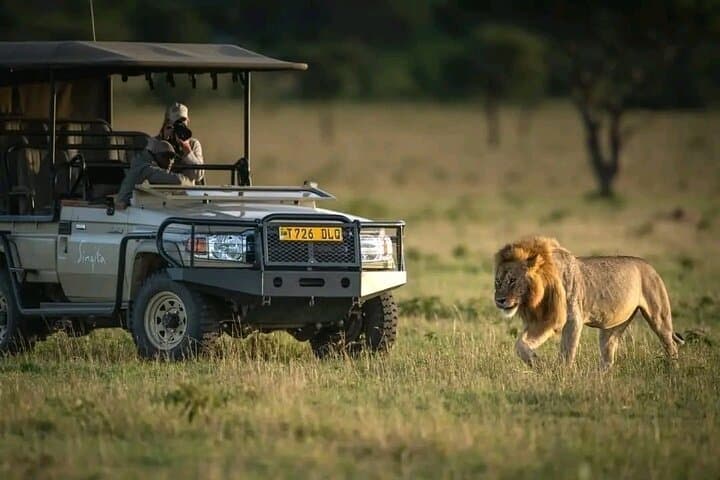
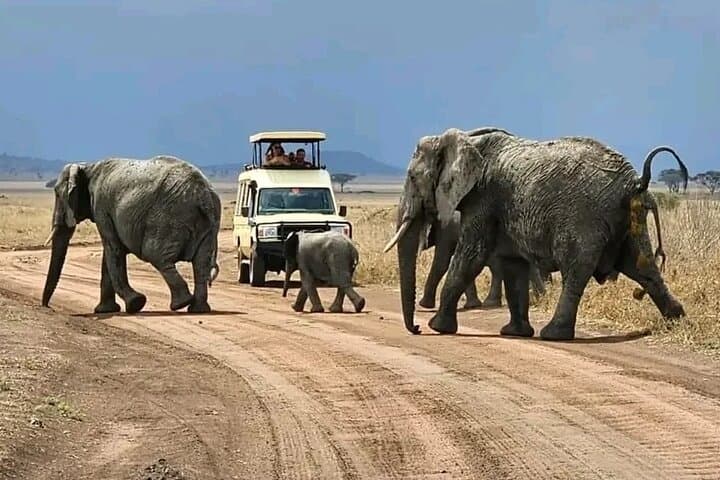
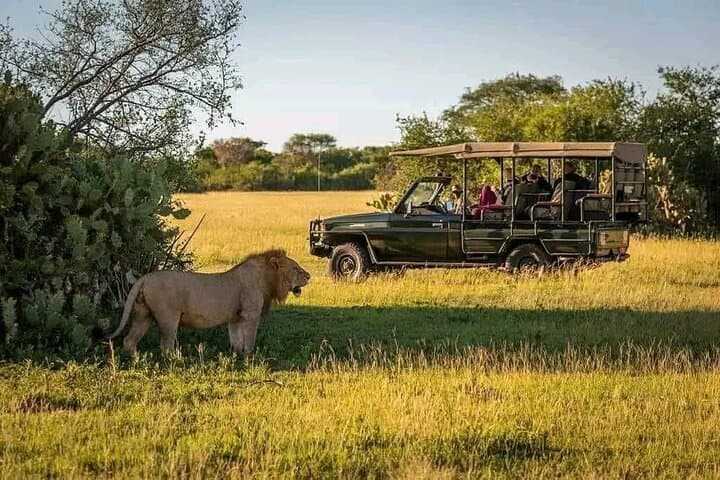
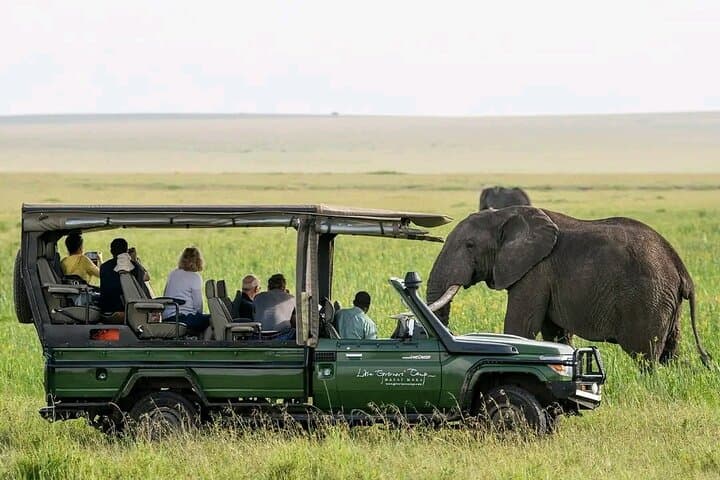
You arrive before dawn: the ferry thins into a pale highway and, later, a light aircraft drops you into wide, sun-baked country where the Rufiji River moves like a living vein. Dust lifts under the safari jeep and the landscape opens — riverine forest leaning toward reflective water, dry savannah flats, and shallow swamp where birds call like punctuation.
You arrive before dawn: the ferry thins into a pale highway and, later, a light aircraft drops you into wide, sun-baked country where the Rufiji River moves like a living vein. Dust lifts under the safari jeep and the landscape opens — riverine forest leaning toward reflective water, dry savannah flats, and shallow swamp where birds call like punctuation.
Selous (now part of Nyerere National Park) was set aside in the early 20th century and named after explorer Frederick Selous; its geology is defined by the long Rufiji floodplain, seasonal oxbow lakes and inland swamps such as Silale that host exceptional breeding birdlife. Local communities of the Rufiji delta keep fishing and small-scale farming traditions that sit at the park’s edge.
Over two days you'll alternate game drives across mixed terrain with a morning boat safari along the Rufiji — the contrast is immediate: the jeep pressing across grass and termite mounds, the boat slipping past hippo pods and banks where crocodiles sun themselves and elephants come to drink.
Practically, this short itinerary concentrates sightings and minimizes travel time: expect long drives inside the reserve, modest lodge accommodation, one night in a budget to mid-range camp or lodge, and park fees and boat trip included. Bring binoculars, sun protection and a light layering system for cool mornings. Be prepared for bumpy tracks and variable mobile coverage; follow ranger briefings and keep a safe distance from wildlife. The trip delivers a compact, high-density window into Tanzania’s largest wild space — intense, immediate, and best enjoyed alert to the land’s rhythms.