THE ADVENTURE COLLECTIVE® · Independent discovery and booking for outdoor travel

Walk the sculpted rice terraces of Muong Hoa Valley, sleep in a family homestay, and meet the Black Hmong and Red Dzao communities across two days of accessible mountain trekking. Practical route notes, terrain expectations and cultural highlights help you plan.
Walk the sculpted rice terraces of Muong Hoa Valley, sleep in a family homestay, and meet the Black Hmong and Red Dzao communities across two days of accessible mountain trekking. Practical route notes, terrain expectations and cultural highlights help you plan.
Dawn lifts a cool mist off the Muong Hoa stream and the carved steps of the rice terraces appear like a living staircase into the Hoang Lien Son foothills. You set off from Sapa town, boots on wet trail, passing Black Hmong fields and bamboo stands as the valley opens into sweeping green contours.
Verified experiences and guided adventures in the surrounding area.
Operated by Old Quarter Travel · Sapa, Lao Cai
Dawn lifts a cool mist off the Muong Hoa stream and the carved steps of the rice terraces appear like a living staircase into the Hoang Lien Son foothills. You set off from Sapa town, boots on wet trail, passing Black Hmong fields and bamboo stands as the valley opens into sweeping green contours.
Geology here is recent uplift: the Hoang Lien Son range forces orographic rains that shape terraced agriculture. Culturally, the route threads small villages—Lao Chai, Ta Van, Giang Ta Chai—where Black Hmong, Dzay (Giay) and Red Dzao families farm steep plots and maintain centuries-old rice cultivation techniques.
Expect two days of measured trekking: day one follows Muong Hoa’s stream and terraces into Ta Van with 3–5 hours on uneven, sometimes steep stone steps; day two moves through bamboo and rice paddies with a focused 2–4 hour segment (noted 4 km in the itinerary) before return to Sapa. You’ll stay in a private homestay room, eat home-cooked meals, and may join evening music or cooking with hosts.
Practical notes: trails are rocky and can be slippery; altitude is moderate (Sapa ≈1,500 m) so pace yourself and hydrate. Pack a lightweight rain jacket, sturdy hiking shoes, and small cash for village purchases. Morning light is best for photos and avoids afternoon showers. This itinerary suits hikers with a moderate fitness level who want close cultural contact and manageable mountain walking rather than technical climbing.
moderate.
2 days (approx. 48 hours).
Moderate—able to hike 3–6 hours on uneven, often steep terrain and manage packed day items.
Expect moderate hiking: 3–5 hours day one across terraces and streams; day two includes a focused 2–4 hour hike (about 4 km) with uneven, steep sections.
Homestays provide private rooms with basic comforts, family meals (breakfast, lunch, dinner provided) and an opportunity to join cooking or local evening music.
Operators may cancel in severe weather; trails become slippery in heavy rain—bring waterproof gear and follow guide instructions.
A guide is included for this organized tour; no special permits are required for these village trails, though respecting local customs and asking before photographing people is important.
The Hoang Lien Son foothills have long been home to diverse ethnic groups who developed terraced wet-rice systems adapted to steep slopes over centuries.
Tourism supports village incomes but increases waste and trail erosion; stick to paths, carry out wrappers, and use local guides who support sustainable homestays.
Old Quarter Travel operates guided outdoor trips and adventures with an emphasis on safety, stewardship, and memorable experiences.
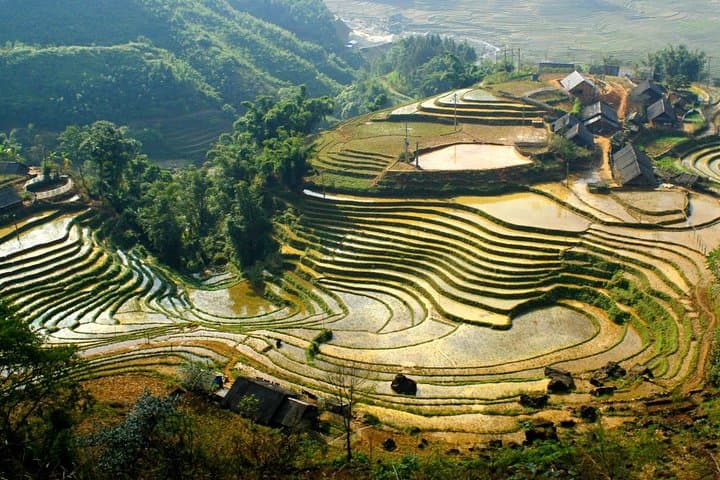
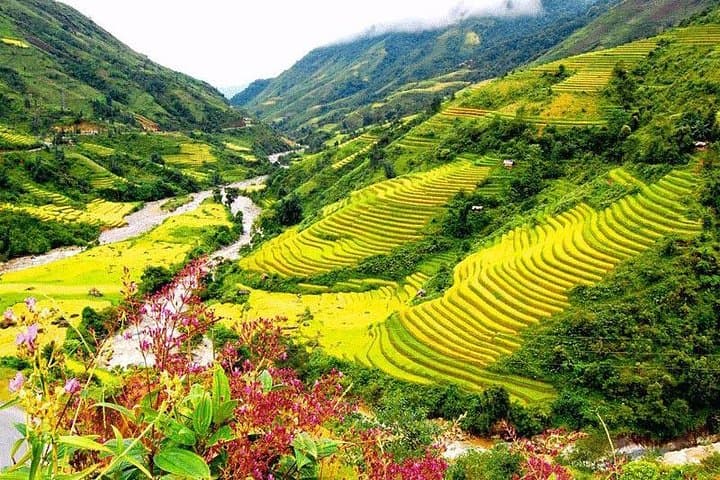
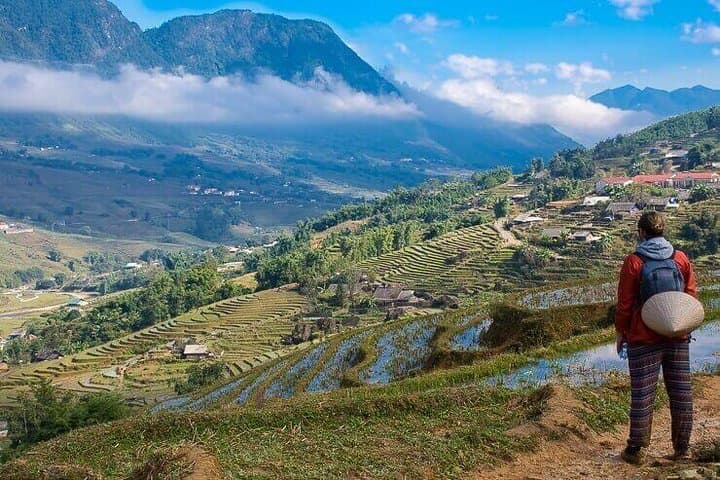
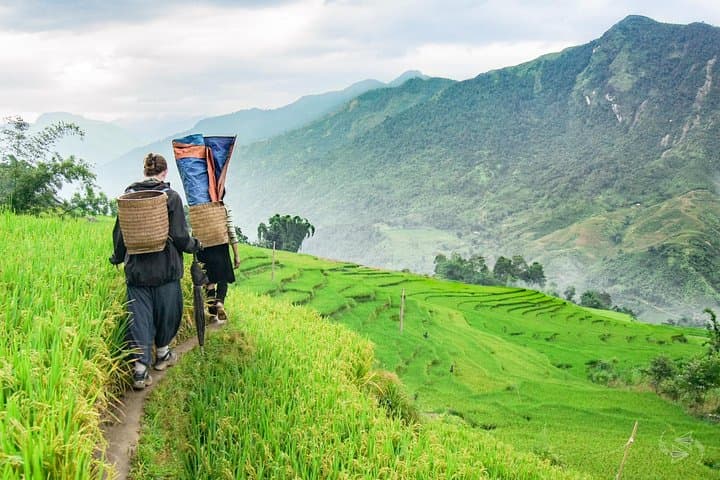
Dawn lifts a cool mist off the Muong Hoa stream and the carved steps of the rice terraces appear like a living staircase into the Hoang Lien Son foothills. You set off from Sapa town, boots on wet trail, passing Black Hmong fields and bamboo stands as the valley opens into sweeping green contours.
Dawn lifts a cool mist off the Muong Hoa stream and the carved steps of the rice terraces appear like a living staircase into the Hoang Lien Son foothills. You set off from Sapa town, boots on wet trail, passing Black Hmong fields and bamboo stands as the valley opens into sweeping green contours.
Geology here is recent uplift: the Hoang Lien Son range forces orographic rains that shape terraced agriculture. Culturally, the route threads small villages—Lao Chai, Ta Van, Giang Ta Chai—where Black Hmong, Dzay (Giay) and Red Dzao families farm steep plots and maintain centuries-old rice cultivation techniques.
Expect two days of measured trekking: day one follows Muong Hoa’s stream and terraces into Ta Van with 3–5 hours on uneven, sometimes steep stone steps; day two moves through bamboo and rice paddies with a focused 2–4 hour segment (noted 4 km in the itinerary) before return to Sapa. You’ll stay in a private homestay room, eat home-cooked meals, and may join evening music or cooking with hosts.
Practical notes: trails are rocky and can be slippery; altitude is moderate (Sapa ≈1,500 m) so pace yourself and hydrate. Pack a lightweight rain jacket, sturdy hiking shoes, and small cash for village purchases. Morning light is best for photos and avoids afternoon showers. This itinerary suits hikers with a moderate fitness level who want close cultural contact and manageable mountain walking rather than technical climbing.