THE ADVENTURE COLLECTIVE® · Independent discovery and booking for outdoor travel

A compact two-day trek from Hanoi to Sapa that pairs night-train travel with daytime walking through Muong Hoa Valley. Visit Black H’mong and Giáy villages, sleep in Sapa, and hike terraces that reveal both daily life and dramatic mountain geology.
A compact two-day trek from Hanoi to Sapa that pairs night-train travel with daytime walking through Muong Hoa Valley. Visit Black H’mong and Giáy villages, sleep in Sapa, and hike terraces that reveal both daily life and dramatic mountain geology.
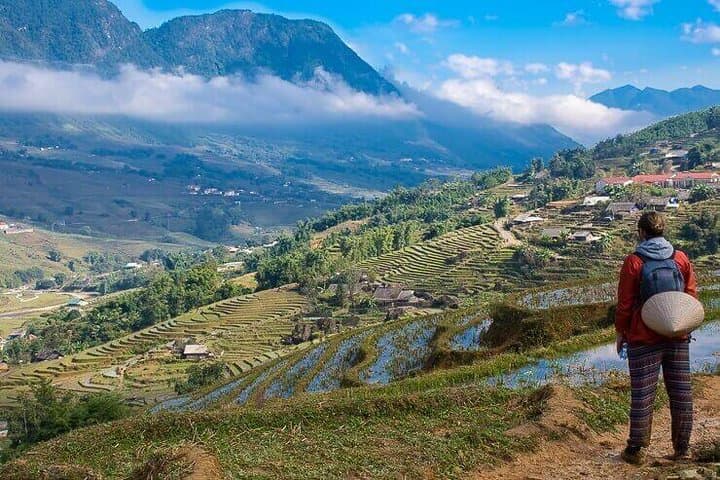
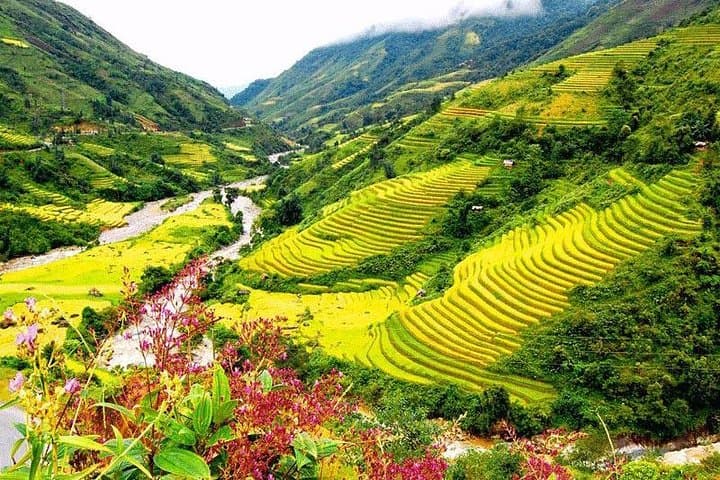
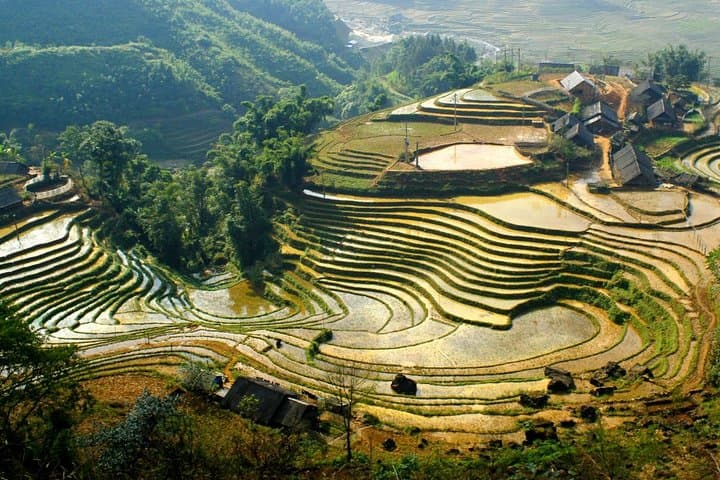
The sleeper train rattles north and the first light finds you at Lao Cai; by the time Sapa appears the valley is unrolling like a green map—terraced rice steps, a river that seems to dare you to follow it, and villages perched on ridgelines.
Verified experiences and guided adventures in the surrounding area.
Operated by Old Quarter Travel · Sapa, Lao Cai
The sleeper train rattles north and the first light finds you at Lao Cai; by the time Sapa appears the valley is unrolling like a green map—terraced rice steps, a river that seems to dare you to follow it, and villages perched on ridgelines.
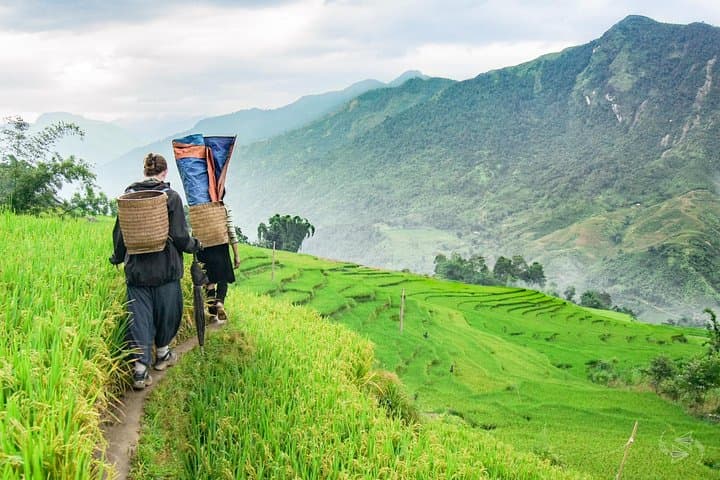
This two-day trek moves through the Muong Hoa Valley and into the lives of Black H’mong and Giáy communities. The landscape is the product of uplifted karst ridges and tectonic folds cut by centuries of rice cultivation; French colonial hill-station history left a faint grid of administration while generations of hill farmers shaped terraces into working art. Expect small, stone-braced footpaths, bamboo bridges, and rivers that quicken after rain.
Culturally the route is quiet but deliberate: women in indigo and embroidered jackets tending plots, children guiding water buffalo, homestays that keep traditional meals and stories. Geologically, soil-rich benches alternate with steeper gullies—pack weight and traction matter on wet days.
Practical guidance: the core walking segments are 3–4 hours on Day 2 and 3–4 hours on Day 3 over uneven trails with short steep sections. Start early to avoid midday rain and crowds. Bring layered waterproofs, sturdy footwear, and cash for small purchases and tips. Hydrate frequently—local streams run clear but treat water. Trains and hotels are included, but expect shared sleeper cabins on the overnight train. Move deliberately, respect private farmland, and favor local guides and homestays to keep economic benefits local.
moderate.
2 days.
Moderate fitness—comfortable walking 3–5 hours per day on uneven, sometimes steep trails; able to handle multiple ascents/descents.
Moderate fitness is sufficient—expect 3–4 hour walking days with short steep pitches; regular walkers will find the pace comfortable.
Sleeper cabins are shared (often four-berth); they’re functional for overnight travel but not luxurious—bring earplugs and a small pad for comfort.
Breakfasts, lunches, and dinners listed in the itinerary are provided and prepared locally; those with dietary restrictions should notify at booking and carry basic snacks.
Charging is generally available at hotels and some homestays in Sapa but not on the trail—bring a power bank for day use.
Sapa evolved from a French colonial hill station into a multi-ethnic agricultural zone; ethnic minorities like the Black H’mong and Giáy maintain distinct dress and farming practices.
High foot traffic erodes terraces and paths—stay on marked routes, avoid leaving waste, and favor local homestays to support sustainable livelihoods.
Old Quarter Travel operates guided outdoor trips and adventures with an emphasis on safety, stewardship, and memorable experiences.
The sleeper train rattles north and the first light finds you at Lao Cai; by the time Sapa appears the valley is unrolling like a green map—terraced rice steps, a river that seems to dare you to follow it, and villages perched on ridgelines.
The sleeper train rattles north and the first light finds you at Lao Cai; by the time Sapa appears the valley is unrolling like a green map—terraced rice steps, a river that seems to dare you to follow it, and villages perched on ridgelines.
This two-day trek moves through the Muong Hoa Valley and into the lives of Black H’mong and Giáy communities. The landscape is the product of uplifted karst ridges and tectonic folds cut by centuries of rice cultivation; French colonial hill-station history left a faint grid of administration while generations of hill farmers shaped terraces into working art. Expect small, stone-braced footpaths, bamboo bridges, and rivers that quicken after rain.
Culturally the route is quiet but deliberate: women in indigo and embroidered jackets tending plots, children guiding water buffalo, homestays that keep traditional meals and stories. Geologically, soil-rich benches alternate with steeper gullies—pack weight and traction matter on wet days.
Practical guidance: the core walking segments are 3–4 hours on Day 2 and 3–4 hours on Day 3 over uneven trails with short steep sections. Start early to avoid midday rain and crowds. Bring layered waterproofs, sturdy footwear, and cash for small purchases and tips. Hydrate frequently—local streams run clear but treat water. Trains and hotels are included, but expect shared sleeper cabins on the overnight train. Move deliberately, respect private farmland, and favor local guides and homestays to keep economic benefits local.