THE ADVENTURE COLLECTIVE® · Independent discovery and booking for outdoor travel

Two days of classic highland trekking from Hanoi to Sapa: short cultural walks at Cat Cat and a longer 9 km route through Muong Hoa valley to Ta Van. Expect terraces, stream crossings, and close encounters with Black H'mong and Dzay villages.
Two days of classic highland trekking from Hanoi to Sapa: short cultural walks at Cat Cat and a longer 9 km route through Muong Hoa valley to Ta Van. Expect terraces, stream crossings, and close encounters with Black H'mong and Dzay villages.
The hum of a sleeping bus fades as you step into thin, cool air — Sapa greets you with the scent of wet earth and steaming bowls of pho in a town perched above rice terraces.
Verified experiences and guided adventures in the surrounding area.
Operated by Grayline Vietnam Threeland Travel · Sapa, Lao Cai
The hum of a sleeping bus fades as you step into thin, cool air — Sapa greets you with the scent of wet earth and steaming bowls of pho in a town perched above rice terraces.
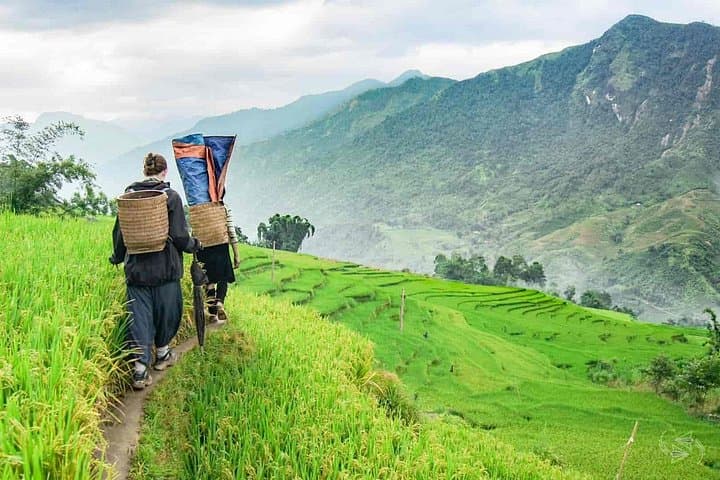
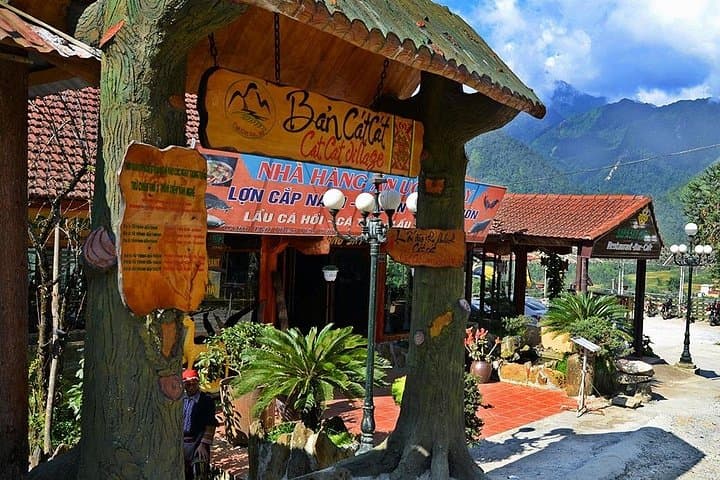
Day one drops you into Cat Cat village, where a short 2.5 km walk threads down to a colonial-era waterfall and an old French hydroelectric site. The next day’s trek from Y Linh Ho to Ta Van follows the Muong Hoa stream, crossing carved terraces and bamboo footbridges across about 9 km of rolling ascent and descent.
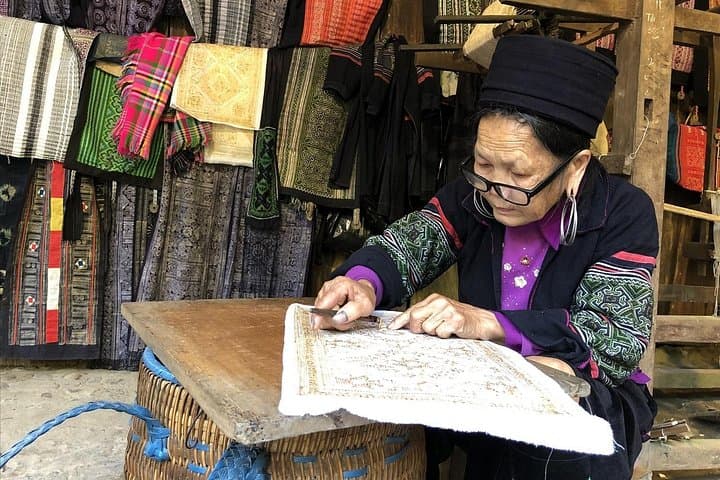
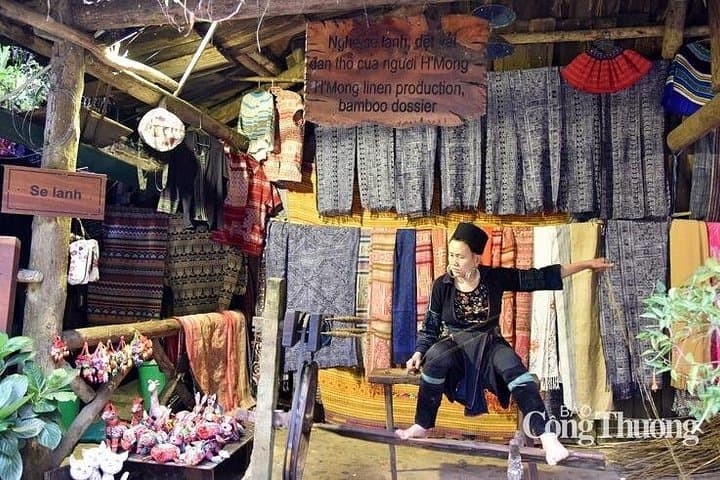
Geology here is blunt: the Hoang Lien Son range lifts abruptly from the Red River lowlands, producing steep terraces cut into black, iron-rich soils and frequent mist that scours the ridgelines. Culturally, Sapa is home to Black H’mong and Dzay communities; houses sit on stilts and gardens grow heirloom vegetables passed through generations.
Practical guidance: Sapa sits around 1,500–1,600 m elevation, so expect cooler mornings and sudden showers. Trails are mostly dirt and stone, with steps and slippery sections after rain. Guided treks keep logistics simple — hotels are provided and sleeping buses run both directions — but carry a daypack with rain shell, water, and snacks.
Timing your trek for morning light gives the best views of terraces and stream reflections; afternoons can fog in and visibility drops fast. Respect private fields, hire local guides when possible, and leave no trace: the landscape is resilient but fragile when paths concentrate heavy foot traffic. This 2-day route is an accessible introduction to highland trekking with meaningful encounters and uncompromised mountain scenery.
moderate.
2 days.
Suitable for walkers with basic fitness; expect several hours of walking each day with short steep sections
Day 1 includes a short 2–2.5 km walk to Cat Cat (about 2 hours). Day 2 is roughly 9 km from Y Linh Ho through Lao Chai to Ta Van (around 3–4 hours of walking).
Sapa sits near 1,500–1,600 m; most people acclimatize fine, but take it easy if you are sensitive to altitude and stay hydrated.
The tour includes one night in Sapa in a double or twin-sharing room at local 3–5 star hotels depending on the option chosen.
Yes — an English-speaking guide accompanies the Sapa portion, and the itinerary includes breakfast, lunch, and dinner as listed.
Sapa was established as a French hill station in the early 20th century; colonial infrastructure like the old hydroelectric station at Cat Cat remains visible.
High foot traffic stresses terraces and narrow trails; stick to paths, support local homestays, and avoid single-use plastics to reduce impact.
Grayline Vietnam Threeland Travel operates guided outdoor trips and adventures with an emphasis on safety, stewardship, and memorable experiences.
The hum of a sleeping bus fades as you step into thin, cool air — Sapa greets you with the scent of wet earth and steaming bowls of pho in a town perched above rice terraces.
The hum of a sleeping bus fades as you step into thin, cool air — Sapa greets you with the scent of wet earth and steaming bowls of pho in a town perched above rice terraces.
Day one drops you into Cat Cat village, where a short 2.5 km walk threads down to a colonial-era waterfall and an old French hydroelectric site. The next day’s trek from Y Linh Ho to Ta Van follows the Muong Hoa stream, crossing carved terraces and bamboo footbridges across about 9 km of rolling ascent and descent.
Geology here is blunt: the Hoang Lien Son range lifts abruptly from the Red River lowlands, producing steep terraces cut into black, iron-rich soils and frequent mist that scours the ridgelines. Culturally, Sapa is home to Black H’mong and Dzay communities; houses sit on stilts and gardens grow heirloom vegetables passed through generations.
Practical guidance: Sapa sits around 1,500–1,600 m elevation, so expect cooler mornings and sudden showers. Trails are mostly dirt and stone, with steps and slippery sections after rain. Guided treks keep logistics simple — hotels are provided and sleeping buses run both directions — but carry a daypack with rain shell, water, and snacks.
Timing your trek for morning light gives the best views of terraces and stream reflections; afternoons can fog in and visibility drops fast. Respect private fields, hire local guides when possible, and leave no trace: the landscape is resilient but fragile when paths concentrate heavy foot traffic. This 2-day route is an accessible introduction to highland trekking with meaningful encounters and uncompromised mountain scenery.