THE ADVENTURE COLLECTIVE® · Independent discovery and booking for outdoor travel

Two days of guided trekking from Hanoi to Sapa take you through Cat Cat, Y Linh Ho, Lao Chai and Ta Van villages. This compact itinerary combines terrace vistas, hill‑tribe culture and an overnight in Sapa town for a straightforward alpine experience.
Two days of guided trekking from Hanoi to Sapa take you through Cat Cat, Y Linh Ho, Lao Chai and Ta Van villages. This compact itinerary combines terrace vistas, hill‑tribe culture and an overnight in Sapa town for a straightforward alpine experience.
Morning mist thins as the express bus winds out of Hanoi and the lowlands give way to serrated ridgelines. By afternoon you’re in Sapa town—thin air, tumbling waterfalls and terraces folding into the valley like stepped fields of green. The first day’s trail drops from town into Cat Cat, where a short, rocky descent passes a French-built hydroelectric ruin and a waterfall that announces the village.
Verified experiences and guided adventures in the surrounding area.
Operated by Authentic SAPA · Sapa, Lao Cai
Morning mist thins as the express bus winds out of Hanoi and the lowlands give way to serrated ridgelines. By afternoon you’re in Sapa town—thin air, tumbling waterfalls and terraces folding into the valley like stepped fields of green. The first day’s trail drops from town into Cat Cat, where a short, rocky descent passes a French-built hydroelectric ruin and a waterfall that announces the village.
This route threads through the Hoang Lien Son range, geologically young mountains of uplifted limestone and metamorphic bedrock that feed the Muong Hoa valley. The area has been home to Black H’mong and Dzay (Zay) communities for centuries; their stilt houses and woven textiles reflect a living mountain culture shaped by rice terraces and seasonal migration.
Day two follows ridgelines and switchbacks through Y Linh Ho, Lao Chai and Ta Van—villages set among some of Vietnam’s most photographed terraces. Expect narrow footpaths, river fords in the valley bottom, and panoramic overlooks where clouds sweep through like a moving ceiling, daring you to look farther.
Practical guidance: be ready for 3–5 hours of walking each day on uneven, often muddy trails. Bring waterproof layers, sturdy footwear, a headlamp for dusk in town, and small bills for village purchases. Start early to avoid afternoon storms and allow time to soak in terraces from village viewpoints. Respect local homes and ask before photographing. This short, accessible trek offers cultural contact, alpine views and a real sense of movement through layered landscapes—ideal for hikers with a moderate edge.
moderate.
2 days.
Suitable for hikers with moderate fitness who can walk 3–5 hours on uneven terrain and short steep sections
The itinerary is rated moderate: expect 3–5 hours of walking each day on uneven, hilly trails with some steep sections—no technical climbing.
Sapa is around 1,500 m; acute altitude sickness is uncommon for most travelers, but move at a steady pace and hydrate if you feel unwell.
Local English‑speaking guides are provided; some villagers speak limited Vietnamese or hill‑tribe languages—your guide will translate cultural points.
This tour includes a superior hotel room in Sapa town (3–5 star options), not a homestay, with dinner and breakfast provided.
Sapa developed as a French hill station in the early 20th century and remains home to Black H'mong and Dzay communities whose terrace agriculture defines the valley.
Terraced agriculture and increasing tourism create pressure on trails and water resources—stick to paths, avoid single‑use plastics, and support local guides and handicrafts.
Authentic SAPA operates guided outdoor trips and adventures with an emphasis on safety, stewardship, and memorable experiences.
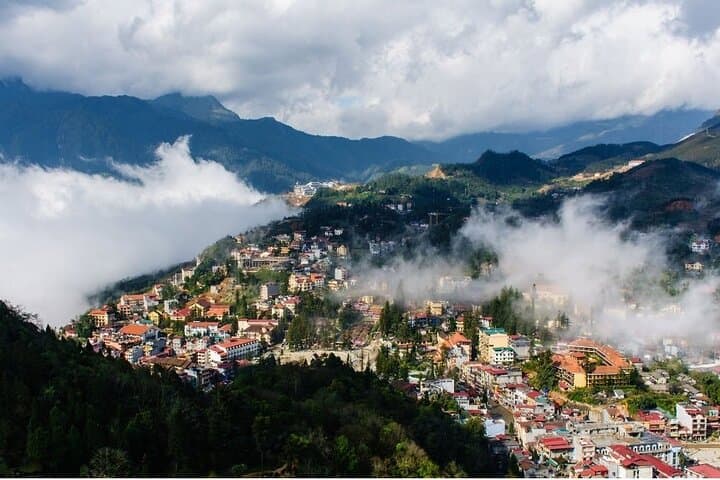
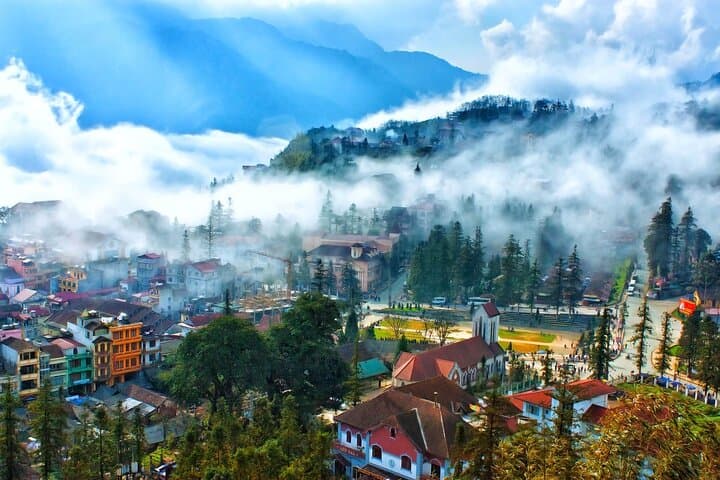
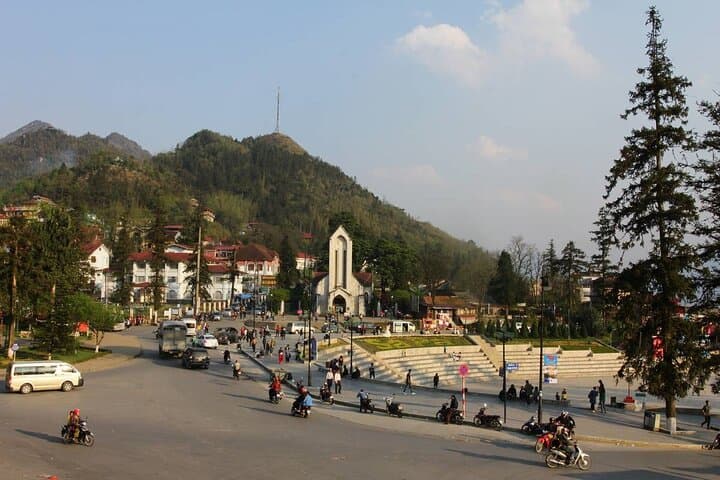
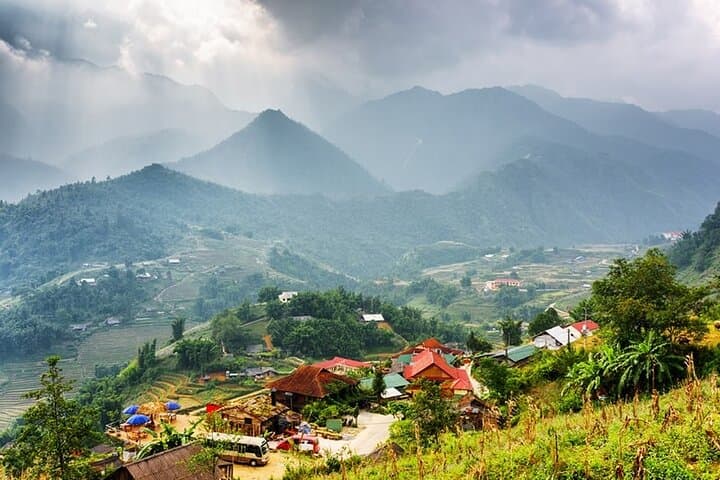
Morning mist thins as the express bus winds out of Hanoi and the lowlands give way to serrated ridgelines. By afternoon you’re in Sapa town—thin air, tumbling waterfalls and terraces folding into the valley like stepped fields of green. The first day’s trail drops from town into Cat Cat, where a short, rocky descent passes a French-built hydroelectric ruin and a waterfall that announces the village.
Morning mist thins as the express bus winds out of Hanoi and the lowlands give way to serrated ridgelines. By afternoon you’re in Sapa town—thin air, tumbling waterfalls and terraces folding into the valley like stepped fields of green. The first day’s trail drops from town into Cat Cat, where a short, rocky descent passes a French-built hydroelectric ruin and a waterfall that announces the village.
This route threads through the Hoang Lien Son range, geologically young mountains of uplifted limestone and metamorphic bedrock that feed the Muong Hoa valley. The area has been home to Black H’mong and Dzay (Zay) communities for centuries; their stilt houses and woven textiles reflect a living mountain culture shaped by rice terraces and seasonal migration.
Day two follows ridgelines and switchbacks through Y Linh Ho, Lao Chai and Ta Van—villages set among some of Vietnam’s most photographed terraces. Expect narrow footpaths, river fords in the valley bottom, and panoramic overlooks where clouds sweep through like a moving ceiling, daring you to look farther.
Practical guidance: be ready for 3–5 hours of walking each day on uneven, often muddy trails. Bring waterproof layers, sturdy footwear, a headlamp for dusk in town, and small bills for village purchases. Start early to avoid afternoon storms and allow time to soak in terraces from village viewpoints. Respect local homes and ask before photographing. This short, accessible trek offers cultural contact, alpine views and a real sense of movement through layered landscapes—ideal for hikers with a moderate edge.