THE ADVENTURE COLLECTIVE® · Independent discovery and booking for outdoor travel

A compact 2-day itinerary that pairs a 9 km cultural trek through Y Linh Ho, Lao Chai and Ta Van with a cable-car ascent to Fansipan’s summit. Expect terraces, homestays, and high-mountain panoramas.
A compact 2-day itinerary that pairs a 9 km cultural trek through Y Linh Ho, Lao Chai and Ta Van with a cable-car ascent to Fansipan’s summit. Expect terraces, homestays, and high-mountain panoramas.
Mist hangs low over Muong Hoa valley as the sleeper bus pulls into Sapa and a guide points the group toward trails that carve the rice terraces like contour lines on a giant map.
Verified experiences and guided adventures in the surrounding area.
Operated by Best Vietnam Tours · Sapa, Lao Cai
Mist hangs low over Muong Hoa valley as the sleeper bus pulls into Sapa and a guide points the group toward trails that carve the rice terraces like contour lines on a giant map.
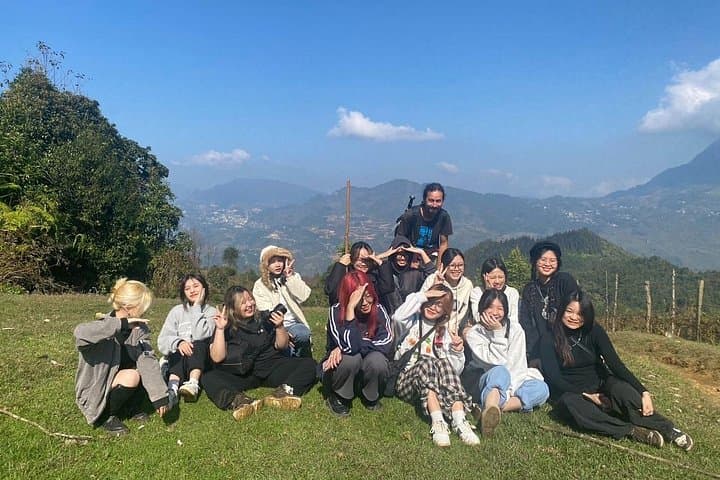
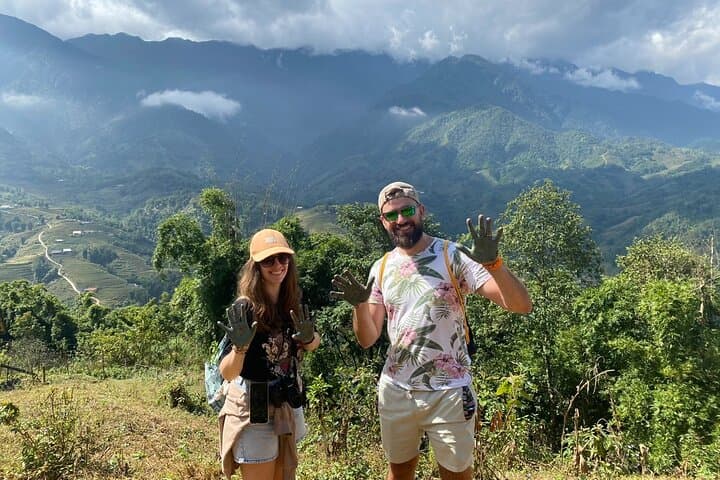
The first day walks roughly 9 km (about 3–3.5 hours of moving time) from Y Linh Ho through Lao Chai to Ta Van, following stone paths, wooden footbridges and the stream that has shaped the terraces for generations. H’Mong and Dzay households line the route; a bungalow stay in Ta Van and a hands-on cooking session offer a clear window into local rhythm and hospitality.
Geologically, this is the Hoang Lien Son massif—steep, folded limestone and metamorphic slopes that drop into narrow valleys carved by glacial and fluvial action. Historically the area became a French hill station in the early 20th century and today supports a mosaic of ethnic minority cultures whose rice terraces and stilt houses define the landscape.
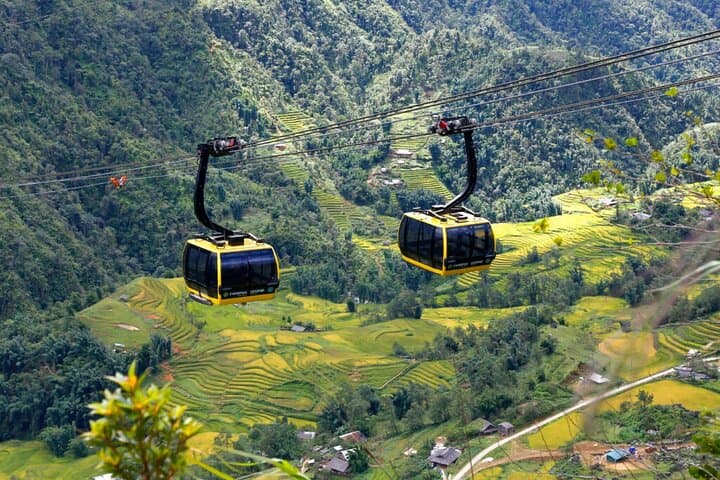
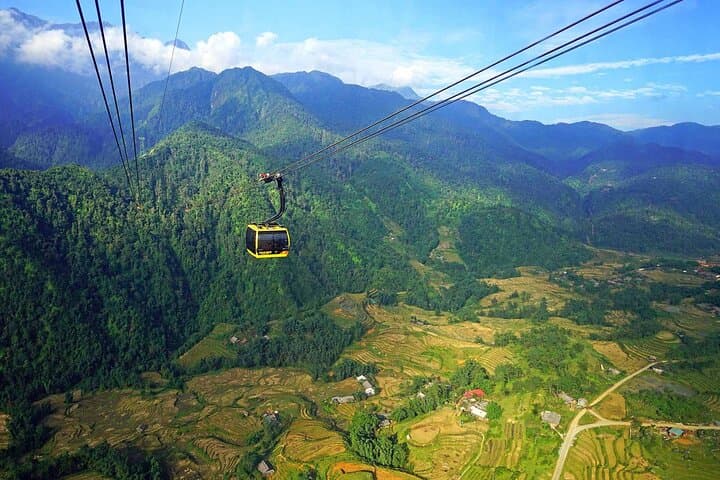
On day two the route shifts to vertical: a modern cable car climbs to about 2,800 m, trimming most of the ascent to Fansipan (summit 3,143 m), with an optional climb of roughly 600 stone steps to the true roof of Indochina. Expect thin air, panoramic ridgelines and cool, changeable weather.
Practical: plan for uneven, sometimes muddy trails, a steady moderate fitness level, and layered clothing for 10–20°C swings. Bring sturdy footwear, water and a small daypack; allow extra time for photography and market stops in Sapa town. The itinerary pairs cultural immersion with a high-alpine highlight—efficient, scenic and deliberately active.
moderate.
2 days.
Moderate cardio and steady footing for multi-hour day hikes; able to handle stairs and uneven terrain.
Yes—this tour includes the Fansipan cable car ticket as listed in the inclusions.
The Y Linh Ho–Lao Chai–Ta Van route is about 9 km with rolling ascents and descents; it’s rated moderate and suitable for travelers with reasonable fitness.
Luggage is typically transported to the meeting point before the Fansipan transfer and stored for the return—confirm with the operator at check-in.
The itinerary includes specified meals and a cooking session; communicate dietary needs in booking questions so the guide and homestay can prepare alternatives.
Sapa became a French hill station in the early 1900s; the terraces and many villages are maintained by H’Mong, Dzay and other ethnic groups.
Tourism pressure has increased trail erosion and waste; choose local homestays, avoid single-use plastics and stick to marked paths.
Best Vietnam Tours operates guided outdoor trips and adventures with an emphasis on safety, stewardship, and memorable experiences.
Mist hangs low over Muong Hoa valley as the sleeper bus pulls into Sapa and a guide points the group toward trails that carve the rice terraces like contour lines on a giant map.
Mist hangs low over Muong Hoa valley as the sleeper bus pulls into Sapa and a guide points the group toward trails that carve the rice terraces like contour lines on a giant map.
The first day walks roughly 9 km (about 3–3.5 hours of moving time) from Y Linh Ho through Lao Chai to Ta Van, following stone paths, wooden footbridges and the stream that has shaped the terraces for generations. H’Mong and Dzay households line the route; a bungalow stay in Ta Van and a hands-on cooking session offer a clear window into local rhythm and hospitality.
Geologically, this is the Hoang Lien Son massif—steep, folded limestone and metamorphic slopes that drop into narrow valleys carved by glacial and fluvial action. Historically the area became a French hill station in the early 20th century and today supports a mosaic of ethnic minority cultures whose rice terraces and stilt houses define the landscape.
On day two the route shifts to vertical: a modern cable car climbs to about 2,800 m, trimming most of the ascent to Fansipan (summit 3,143 m), with an optional climb of roughly 600 stone steps to the true roof of Indochina. Expect thin air, panoramic ridgelines and cool, changeable weather.
Practical: plan for uneven, sometimes muddy trails, a steady moderate fitness level, and layered clothing for 10–20°C swings. Bring sturdy footwear, water and a small daypack; allow extra time for photography and market stops in Sapa town. The itinerary pairs cultural immersion with a high-alpine highlight—efficient, scenic and deliberately active.