THE ADVENTURE COLLECTIVE® · Independent discovery and booking for outdoor travel

A compact two-day trek from Hanoi that pairs cultural visits to Black H’Mong and Dzay villages with walkable rice terraces and a French-era waterfall. Ideal for travelers seeking scenic, moderate trekking with local guides and simple logistics.
A compact two-day trek from Hanoi that pairs cultural visits to Black H’Mong and Dzay villages with walkable rice terraces and a French-era waterfall. Ideal for travelers seeking scenic, moderate trekking with local guides and simple logistics.
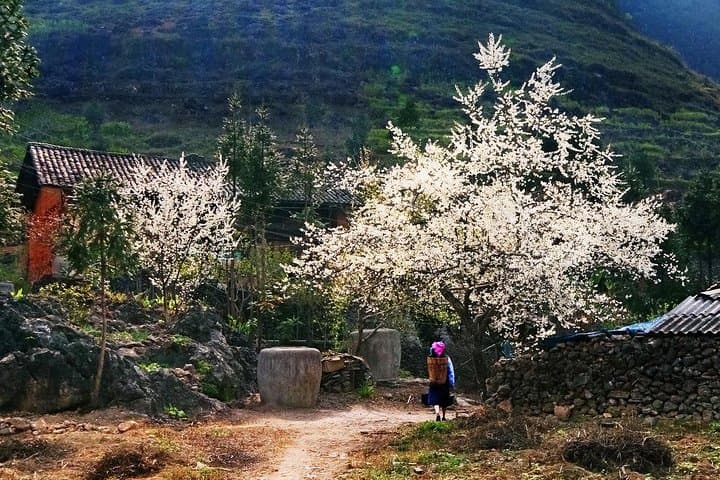
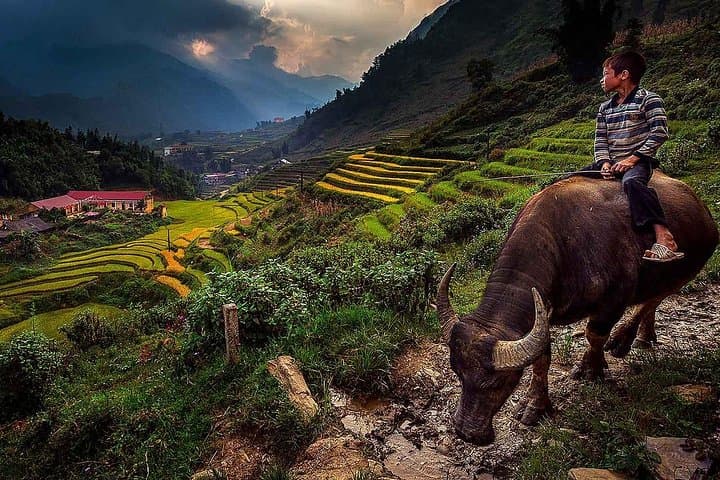
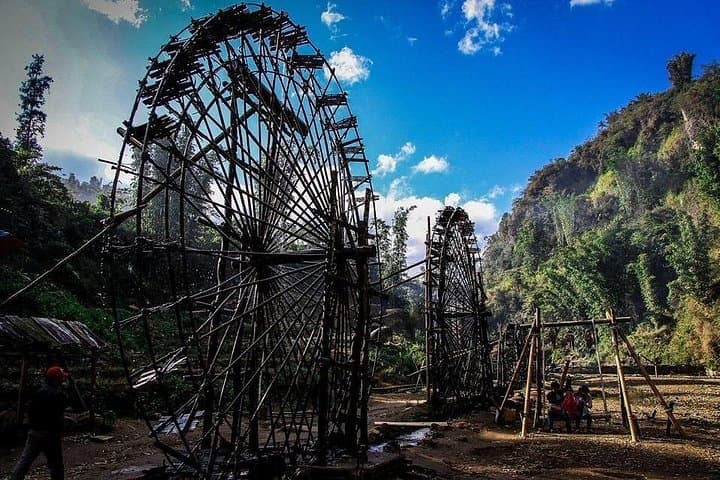
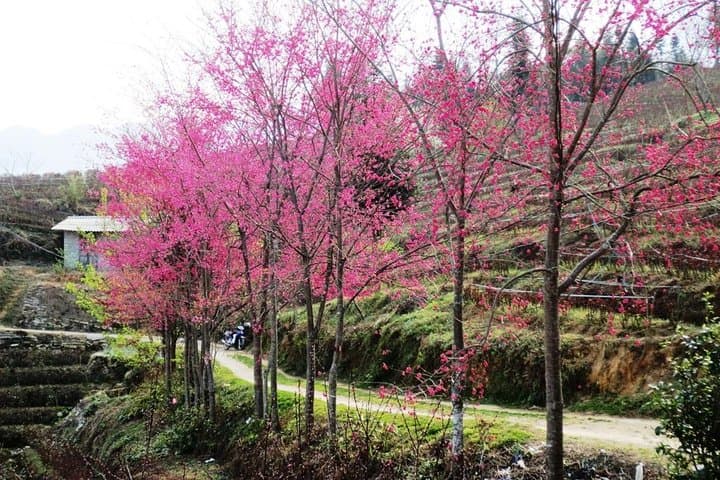
Morning light scratches across the Hoang Lien Son ridgeline as you step off the bus into Sapa’s cool air; terraces descend like carved steps and the Muong Hoa stream dares you to follow its curve through rice fields. Over two days the route threads from the French-era footpaths at Cat Cat down to the waterfall and hydropower remains, then out along terraces past Y Linh Ho, Lao Chai and the quieter Dzay hamlet of Ta Van.
Verified experiences and guided adventures in the surrounding area.
Operated by GADT Travel · Sapa, Lao Cai
Morning light scratches across the Hoang Lien Son ridgeline as you step off the bus into Sapa’s cool air; terraces descend like carved steps and the Muong Hoa stream dares you to follow its curve through rice fields. Over two days the route threads from the French-era footpaths at Cat Cat down to the waterfall and hydropower remains, then out along terraces past Y Linh Ho, Lao Chai and the quieter Dzay hamlet of Ta Van.
The area’s karst-influenced limestone and volcanic soils create the steep, bench-like terraces that generations of H’Mong and Dzay farmers have shaped. Fansipan—the highest peak in Indochina—hovers on the skyline and a French-colonial imprint remains in old stone works and the damaged hydropower station at Cat Cat. Culture is tangible: embroidered textiles, stilt houses, water buffalo at field edges and local guides who translate both language and landscape.
Practical guidance: daily trekking sections are short to moderate—expect a 2.5km loop at Cat Cat and roughly 9km (about 3–4 hours) on day two over mixed dirt, stone and steps; wear broken-in hiking shoes, bring layers for cold or rain, and carry cash in Vietnamese đồng for souvenirs and extras. Hydration and sun protection matter at altitude; insect repellent helps near the stream. If rain makes trails slick, pace carefully—sections can be steep and uneven. The trip includes transport from Hanoi, one night hotel, meals and an English-speaking guide; large luggage stays in Sapa. For an immersive, manageable highland trek, this two-day circuit balances cultural contact, sweeping terrace views and practical logistics for first-time trekkers in northern Vietnam.
moderate.
2 days.
Moderate fitness—able to hike 3–4 hours with elevation changes and uneven steps.
Pickup is from hotels in Hanoi Old Quarter; if your hotel is outside that area you’ll be given a meeting point on confirmation.
Day one features a short 2.5km loop (about 2 hours); day two is roughly 9km and typically 3–4 hours of walking over varied terrain.
The itinerary includes one night in a 3-star (or optional 4-star) hotel in Sapa with basic amenities; large luggage is stored there while you trek.
Not recommended for young children, older adults, or those with low fitness due to uneven trails and potential rain-slick sections.
Sapa’s modern identity was shaped under French colonialism as a hill station; local H’Mong and Dzay communities maintain centuries-old terrace agriculture.
Stay on trails, avoid picking crops, and buy textiles directly from villagers to support sustainable local income and protect terraces.
GADT Travel operates guided outdoor trips and adventures with an emphasis on safety, stewardship, and memorable experiences.
Morning light scratches across the Hoang Lien Son ridgeline as you step off the bus into Sapa’s cool air; terraces descend like carved steps and the Muong Hoa stream dares you to follow its curve through rice fields. Over two days the route threads from the French-era footpaths at Cat Cat down to the waterfall and hydropower remains, then out along terraces past Y Linh Ho, Lao Chai and the quieter Dzay hamlet of Ta Van.
Morning light scratches across the Hoang Lien Son ridgeline as you step off the bus into Sapa’s cool air; terraces descend like carved steps and the Muong Hoa stream dares you to follow its curve through rice fields. Over two days the route threads from the French-era footpaths at Cat Cat down to the waterfall and hydropower remains, then out along terraces past Y Linh Ho, Lao Chai and the quieter Dzay hamlet of Ta Van.
The area’s karst-influenced limestone and volcanic soils create the steep, bench-like terraces that generations of H’Mong and Dzay farmers have shaped. Fansipan—the highest peak in Indochina—hovers on the skyline and a French-colonial imprint remains in old stone works and the damaged hydropower station at Cat Cat. Culture is tangible: embroidered textiles, stilt houses, water buffalo at field edges and local guides who translate both language and landscape.
Practical guidance: daily trekking sections are short to moderate—expect a 2.5km loop at Cat Cat and roughly 9km (about 3–4 hours) on day two over mixed dirt, stone and steps; wear broken-in hiking shoes, bring layers for cold or rain, and carry cash in Vietnamese đồng for souvenirs and extras. Hydration and sun protection matter at altitude; insect repellent helps near the stream. If rain makes trails slick, pace carefully—sections can be steep and uneven. The trip includes transport from Hanoi, one night hotel, meals and an English-speaking guide; large luggage stays in Sapa. For an immersive, manageable highland trek, this two-day circuit balances cultural contact, sweeping terrace views and practical logistics for first-time trekkers in northern Vietnam.