THE ADVENTURE COLLECTIVE® · Independent discovery and booking for outdoor travel

Two days of trekking through Muong Hoa Valley, rice terraces and tribal villages with a night in a Ta Van homestay. Practical, culture‑rich and accessible for most hikers, this trip pairs scenic trails with authentic village life.
Two days of trekking through Muong Hoa Valley, rice terraces and tribal villages with a night in a Ta Van homestay. Practical, culture‑rich and accessible for most hikers, this trip pairs scenic trails with authentic village life.
Dawn spills down the Muong Hoa Valley and the terraces take color one tier at a time. You step from an air‑conditioned transfer into thin mountain air, boots sinking on muddy trail as streams dare you cross on wobbly stones. The first day leads you past rice paddies and H’mong houses; the second peels back bamboo groves to reveal Giang Ta Chai and Red Dzao settlements.
Verified experiences and guided adventures in the surrounding area.
Operated by Indochina Today Travel · Sapa, Lao Cai
Dawn spills down the Muong Hoa Valley and the terraces take color one tier at a time. You step from an air‑conditioned transfer into thin mountain air, boots sinking on muddy trail as streams dare you cross on wobbly stones. The first day leads you past rice paddies and H’mong houses; the second peels back bamboo groves to reveal Giang Ta Chai and Red Dzao settlements.
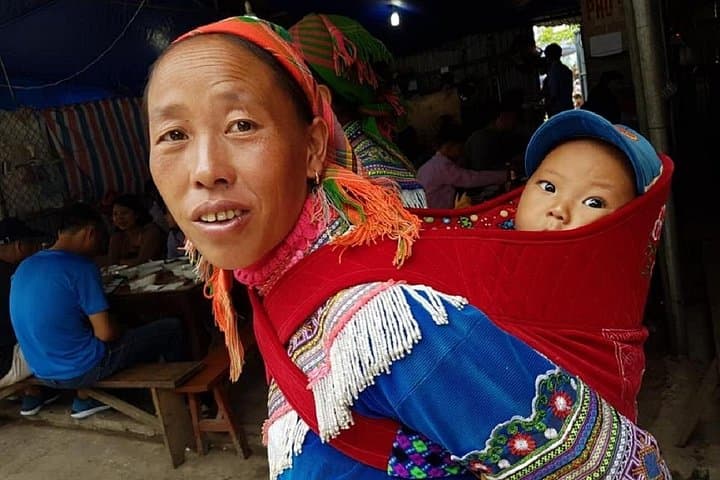
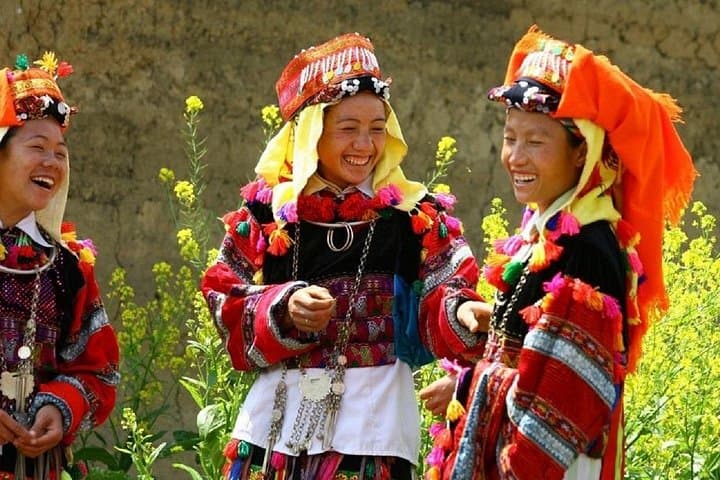
This landscape sits on the northern flank of the Hoang Lien Son range, a mix of granite ridges and terraced alluvium carved by centuries of agriculture. The cultural layers are as visible as the fields: French‑era hill station architecture in Sapa town, and centuries of upland farming and textile craft among the H’mong, Dzay and Dzao communities.
Expect about 9 km of hiking on day one (undulating, some steep short sections) and roughly 4 km on day two across village tracks, stone paths and bamboo shade. Elevation in Sapa is ~1,500–1,600 m; trails are uneven and can be slippery after rain. Homestay accommodation is simple: shared bungalow rooms, family meals, and an evening of local music or quiet conversation.
Practical guide: hike in sturdy shoes with decent tread, carry a light daypack with water (1–2 L), rain protection and a warm midlayer. Start early to avoid midday showers and bring cash for small village purchases. Be respectful in homestays—ask before photographing and accept invitations to join meals. The route is accessible to most hikers with basic fitness and rewards with broad valley views, close cultural contact, and the low hum of mountain life underfoot.
moderate.
2 days.
Suitable for hikers with basic cardiovascular fitness who can manage 3–4 hours of walking per day on uneven terrain.
The trek is rated easy–moderate: expect several hours of walking over uneven ground but no technical climbing—basic fitness is sufficient.
Simple bungalow accommodation, family‑prepared meals, shared facilities and a chance to join local routines—comfort is basic but authentic.
Yes—round‑trip air‑conditioned bus transfer from Hanoi and Lao Cai stops are included per the itinerary.
Meals listed in the itinerary (breakfast, lunch, dinner) are included—set‑menu local dishes are typical in villages.
The Hoang Lien Son highlands have long been home to multiple ethnic groups whose terrace farming and textile crafts predate colonial tourism; Sapa expanded under the French as a mountain outpost.
Tourism affects fragile terrace systems and village life; stick to trails, avoid single‑use plastics, and support local families by using homestays and buying crafts directly.
Indochina Today Travel operates guided outdoor trips and adventures with an emphasis on safety, stewardship, and memorable experiences.
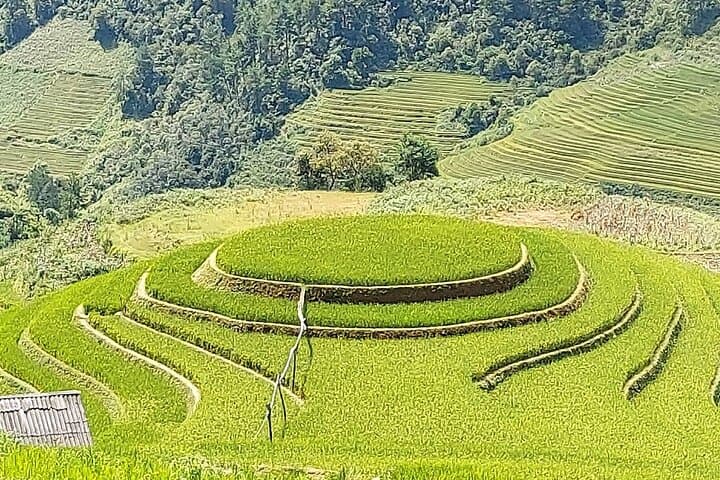
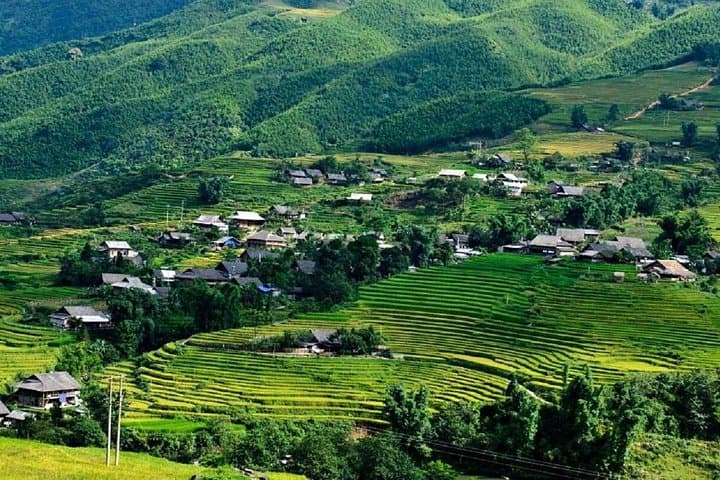
Dawn spills down the Muong Hoa Valley and the terraces take color one tier at a time. You step from an air‑conditioned transfer into thin mountain air, boots sinking on muddy trail as streams dare you cross on wobbly stones. The first day leads you past rice paddies and H’mong houses; the second peels back bamboo groves to reveal Giang Ta Chai and Red Dzao settlements.
Dawn spills down the Muong Hoa Valley and the terraces take color one tier at a time. You step from an air‑conditioned transfer into thin mountain air, boots sinking on muddy trail as streams dare you cross on wobbly stones. The first day leads you past rice paddies and H’mong houses; the second peels back bamboo groves to reveal Giang Ta Chai and Red Dzao settlements.
This landscape sits on the northern flank of the Hoang Lien Son range, a mix of granite ridges and terraced alluvium carved by centuries of agriculture. The cultural layers are as visible as the fields: French‑era hill station architecture in Sapa town, and centuries of upland farming and textile craft among the H’mong, Dzay and Dzao communities.
Expect about 9 km of hiking on day one (undulating, some steep short sections) and roughly 4 km on day two across village tracks, stone paths and bamboo shade. Elevation in Sapa is ~1,500–1,600 m; trails are uneven and can be slippery after rain. Homestay accommodation is simple: shared bungalow rooms, family meals, and an evening of local music or quiet conversation.
Practical guide: hike in sturdy shoes with decent tread, carry a light daypack with water (1–2 L), rain protection and a warm midlayer. Start early to avoid midday showers and bring cash for small village purchases. Be respectful in homestays—ask before photographing and accept invitations to join meals. The route is accessible to most hikers with basic fitness and rewards with broad valley views, close cultural contact, and the low hum of mountain life underfoot.