THE ADVENTURE COLLECTIVE® · Independent discovery and booking for outdoor travel

A brisk two-day trek that pairs Humantay Lake’s startling turquoise with the high drama of the Salkantay Pass. Perfect for hikers short on time who can handle altitude and want an overnight Sky Camp under clear Andean skies.
A brisk two-day trek that pairs Humantay Lake’s startling turquoise with the high drama of the Salkantay Pass. Perfect for hikers short on time who can handle altitude and want an overnight Sky Camp under clear Andean skies.
Dawn spreads cold light across Soraypampa as you step from the Sky Camp into thin air and wind that seems to push you forward. The trail climbs quickly—switchbacks through puna grass, scattered rock, and wind-hardened shrubs—until a sudden bowl opens and Humantay Lake hits you with a slab of turquoise that refuses to be ignored.
Verified experiences and guided adventures in the surrounding area.
Operated by Salkantay Trekking · Cusco, Cusco
Dawn spreads cold light across Soraypampa as you step from the Sky Camp into thin air and wind that seems to push you forward. The trail climbs quickly—switchbacks through puna grass, scattered rock, and wind-hardened shrubs—until a sudden bowl opens and Humantay Lake hits you with a slab of turquoise that refuses to be ignored.
This short, sharp trek threads Inca-era routes and glacial geology. Salkantay, one of the region’s great Apus (sacred mountain spirits), towers with visible glaciers carved over millennia; the pass itself reaches roughly 4,630 m (15,190 ft). Local Quechua communities have long revered these peaks, and small villages along the route still raise llamas and maintain traditional weaving practices.
Expect steep, high-altitude hiking: Day 1 moves you from Soraypampa up to Humantay and back to an exclusive Sky Camp; Day 2 gains the Salkantay Pass and returns to Cusco. Trails are rocky and can be muddy when wet; crampons are not normally required but traction helps.
Practical tips: arrive in Cusco 48–72 hours ahead to acclimatize, carry 2–3 liters of water, pace deliberately, and use layered clothing for sharp temperature swings. Guides provide camping equipment and most meals, but quality footwear, sun protection, and an insulated layer are non-negotiable. Be ready for thin air, expansive views, and the rare, quiet moment when the mountains feel like they are watching your next step.
challenging.
2 days (approx. 48 hours).
Good cardiovascular fitness and prior day-hiking experience recommended; ability to handle steep ascents at high altitude.
The Salkantay Pass (Abra Salkantay) reaches roughly 4,630 m (15,190 ft), so plan for the effects of high altitude.
The operator supplies camping equipment, a sleeping bag, and a panoramic Sky Camp; bring personal layers and any specialty items you prefer.
While technical skills are minimal, you should be fit and comfortable with multi-hour day hikes and steep elevation gains.
Children aged 10 and over may participate but must be accompanied by a responsible adult and be fit enough for high-altitude hiking.
Trails in this corridor follow pre-Columbian routes used by Andean communities; Salkantay is considered an Apu (sacred mountain) in local cosmology.
High-altitude puna is fragile—stay on trails, pack out waste, and follow guide instructions to protect water sources and native grasses.
Salkantay Trekking operates guided outdoor trips and adventures with an emphasis on safety, stewardship, and memorable experiences.
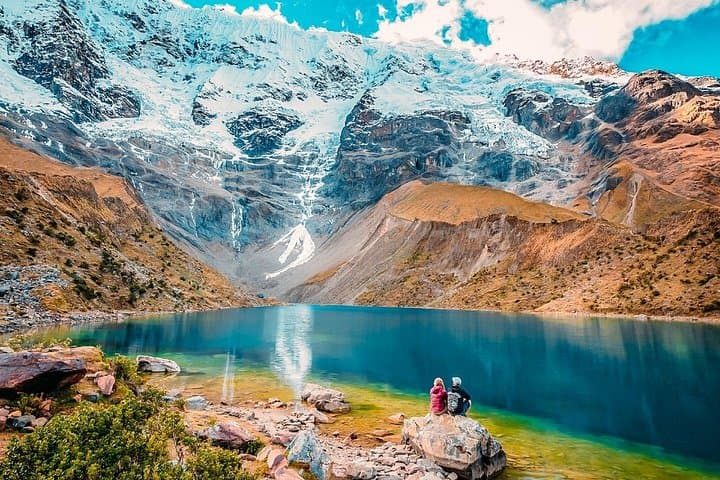
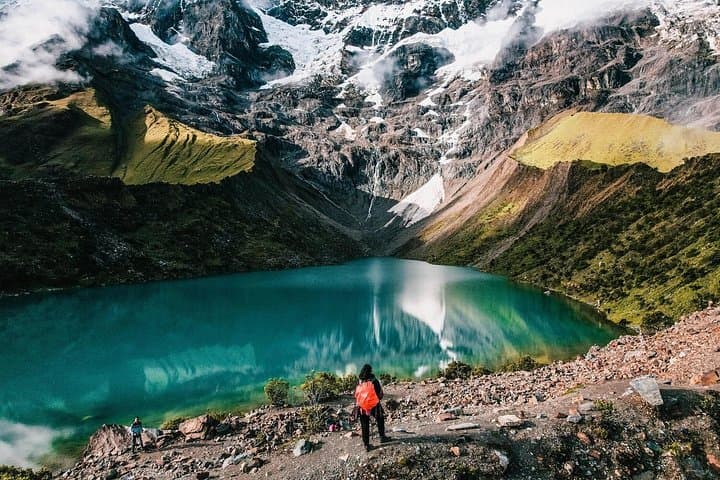
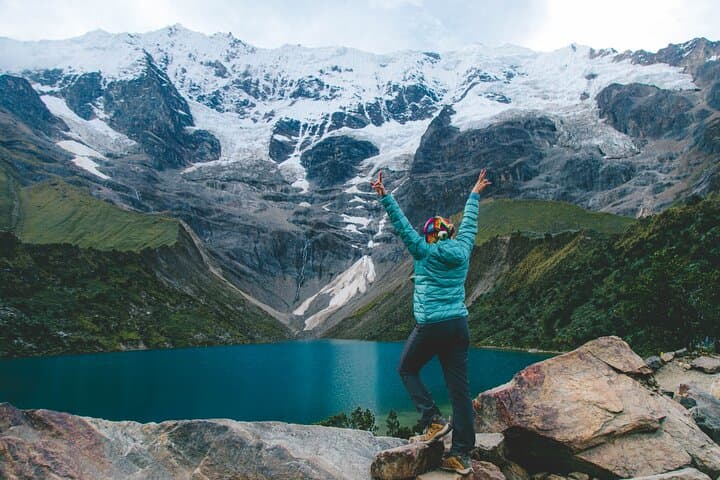
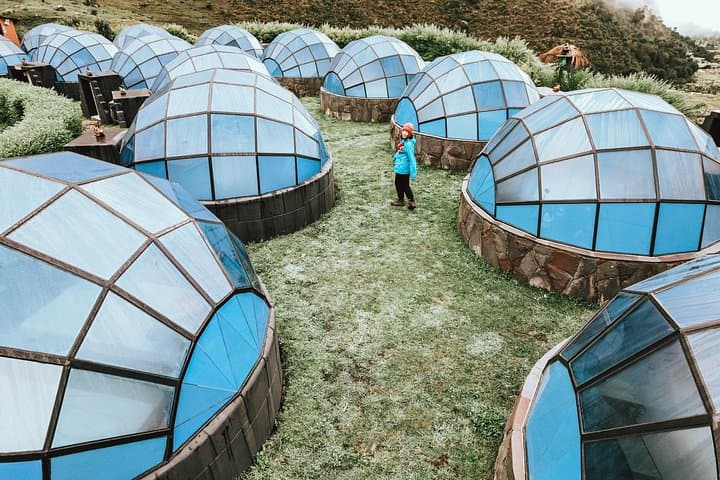
Dawn spreads cold light across Soraypampa as you step from the Sky Camp into thin air and wind that seems to push you forward. The trail climbs quickly—switchbacks through puna grass, scattered rock, and wind-hardened shrubs—until a sudden bowl opens and Humantay Lake hits you with a slab of turquoise that refuses to be ignored.
Dawn spreads cold light across Soraypampa as you step from the Sky Camp into thin air and wind that seems to push you forward. The trail climbs quickly—switchbacks through puna grass, scattered rock, and wind-hardened shrubs—until a sudden bowl opens and Humantay Lake hits you with a slab of turquoise that refuses to be ignored.
This short, sharp trek threads Inca-era routes and glacial geology. Salkantay, one of the region’s great Apus (sacred mountain spirits), towers with visible glaciers carved over millennia; the pass itself reaches roughly 4,630 m (15,190 ft). Local Quechua communities have long revered these peaks, and small villages along the route still raise llamas and maintain traditional weaving practices.
Expect steep, high-altitude hiking: Day 1 moves you from Soraypampa up to Humantay and back to an exclusive Sky Camp; Day 2 gains the Salkantay Pass and returns to Cusco. Trails are rocky and can be muddy when wet; crampons are not normally required but traction helps.
Practical tips: arrive in Cusco 48–72 hours ahead to acclimatize, carry 2–3 liters of water, pace deliberately, and use layered clothing for sharp temperature swings. Guides provide camping equipment and most meals, but quality footwear, sun protection, and an insulated layer are non-negotiable. Be ready for thin air, expansive views, and the rare, quiet moment when the mountains feel like they are watching your next step.