THE ADVENTURE COLLECTIVE® · Independent discovery and booking for outdoor travel

Cross the High Atlas and trade busy medina streets for endless dunes on this two-day Sahara circuit. Expect panoramic passes, a sunset camel trek on Erg Lihoudi, and a night in a Berber desert camp with visits to Tamgroute and Ait Benhaddou.
Cross the High Atlas and trade busy medina streets for endless dunes on this two-day Sahara circuit. Expect panoramic passes, a sunset camel trek on Erg Lihoudi, and a night in a Berber desert camp with visits to Tamgroute and Ait Benhaddou.
At the foot of Erg Lihoudi the sand moves like slow water; the dunes cup the light and the wind writes new ridges each hour. You arrive after a climb over the High Atlas, the road unfolding into palm-lined valleys and ochre kasbahs—then the silence of the desert takes over as camels step out across bronze slopes.
Verified experiences and guided adventures in the surrounding area.
Operated by Toubkal Guide · Marrakech, Marrakesh-Safi
At the foot of Erg Lihoudi the sand moves like slow water; the dunes cup the light and the wind writes new ridges each hour. You arrive after a climb over the High Atlas, the road unfolding into palm-lined valleys and ochre kasbahs—then the silence of the desert takes over as camels step out across bronze slopes.
This two-day loop follows a historic caravan axis: Marrakech to Ouarzazate, on through the Draa Valley to M'Hamid and the Erg Lihoudi dunes, then back via Tamgroute and the UNESCO ksar of Ait Benhaddou. Geologically the landscape shifts from folded metamorphic ranges across Tizi n’Tichka to sedimentary basins and wind-swept siliciclastic dunes. Culturally the route intersects Amazigh (Berber) villages, Koranic libraries in Tamgroute and centuries-old kasbah architecture that doubled as film locations.
Expect long drives broken by short hikes and a sunset camel trek; overnight is in a desert camp with a communal dinner and sunrise watch. Wear layered clothing for strong daytime sun and nights that drop sharply, and plan for dusty tracks that test suspensions on the 4x4.
Practical notes: confirm pickup time in Marrakech, carry at least 2 liters of water per person, and bring cash for small purchases in villages. Photographs at Ait Benhaddou and the dune crests are best at golden hour; travel in summer brings extreme heat, while winter mornings can be near freezing. The route favors travelers comfortable with long vehicle transfers and minimal facilities—rewarding with wide horizons and a direct connection to Sahara life.
moderate.
2 days (approx. 48 hours).
Basic to moderate fitness: able to mount a camel, walk on uneven sand, and tolerate long vehicle rides.
Yes—pickup and drop-off in Marrakech are included; confirm your riad address and pickup time when booking.
The camel trek is short (sunset and sunrise rides) and suitable for most people, but mounting requires basic agility and balance.
Camps typically provide sleeping tents, shared toilets, and a communal dinner and breakfast; facilities are basic and rustic.
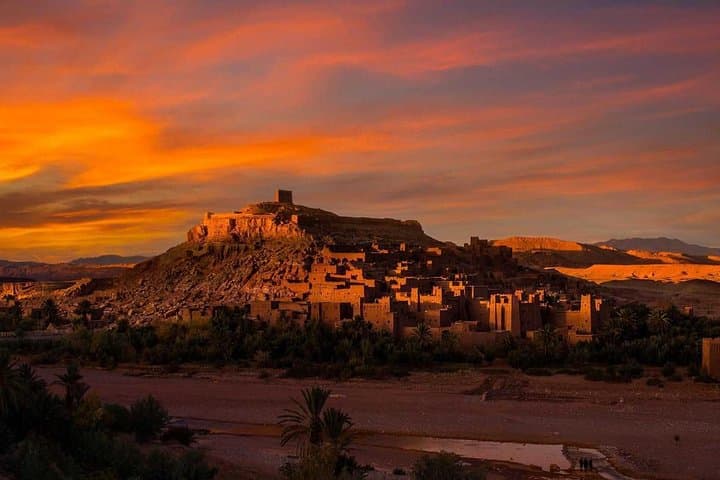
Yes—the itinerary includes a guided stop at the Ksar of Ait Benhaddou with time to walk the lanes and photograph the kasbah.
The Draa Valley was a key southward caravan corridor; Ait Benhaddou grew as a fortified trading settlement and later as a film location.
The Sahara is fragile—avoid off-track driving on vegetated areas, pack out waste, and support local guides and village cooperatives.
Toubkal Guide operates guided outdoor trips and adventures with an emphasis on safety, stewardship, and memorable experiences.
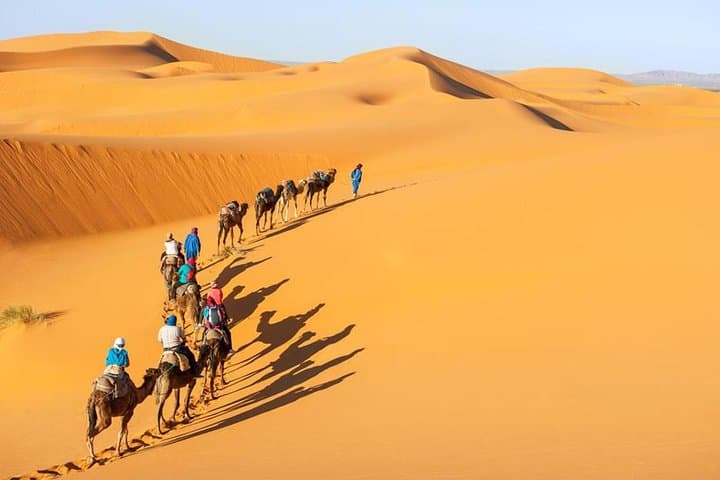
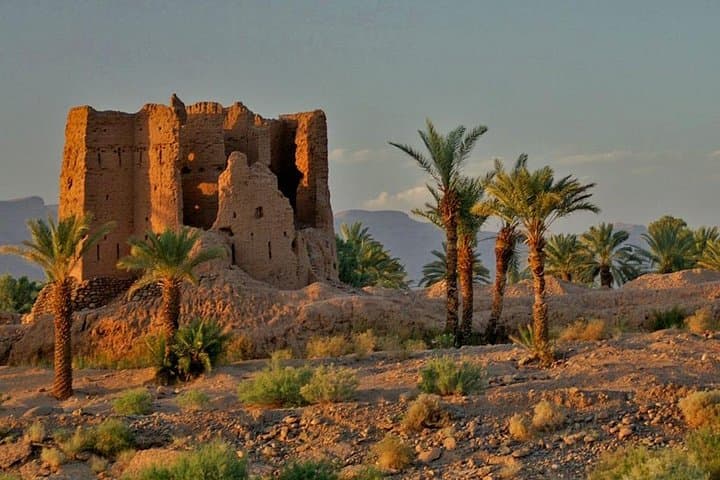
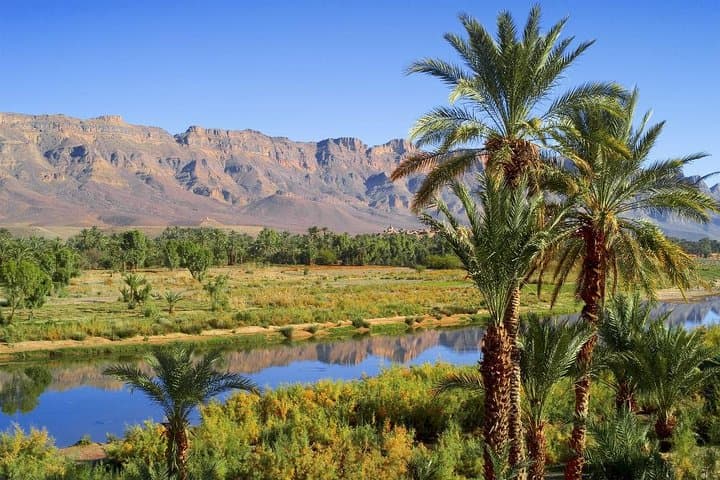
At the foot of Erg Lihoudi the sand moves like slow water; the dunes cup the light and the wind writes new ridges each hour. You arrive after a climb over the High Atlas, the road unfolding into palm-lined valleys and ochre kasbahs—then the silence of the desert takes over as camels step out across bronze slopes.
At the foot of Erg Lihoudi the sand moves like slow water; the dunes cup the light and the wind writes new ridges each hour. You arrive after a climb over the High Atlas, the road unfolding into palm-lined valleys and ochre kasbahs—then the silence of the desert takes over as camels step out across bronze slopes.
This two-day loop follows a historic caravan axis: Marrakech to Ouarzazate, on through the Draa Valley to M'Hamid and the Erg Lihoudi dunes, then back via Tamgroute and the UNESCO ksar of Ait Benhaddou. Geologically the landscape shifts from folded metamorphic ranges across Tizi n’Tichka to sedimentary basins and wind-swept siliciclastic dunes. Culturally the route intersects Amazigh (Berber) villages, Koranic libraries in Tamgroute and centuries-old kasbah architecture that doubled as film locations.
Expect long drives broken by short hikes and a sunset camel trek; overnight is in a desert camp with a communal dinner and sunrise watch. Wear layered clothing for strong daytime sun and nights that drop sharply, and plan for dusty tracks that test suspensions on the 4x4.
Practical notes: confirm pickup time in Marrakech, carry at least 2 liters of water per person, and bring cash for small purchases in villages. Photographs at Ait Benhaddou and the dune crests are best at golden hour; travel in summer brings extreme heat, while winter mornings can be near freezing. The route favors travelers comfortable with long vehicle transfers and minimal facilities—rewarding with wide horizons and a direct connection to Sahara life.