THE ADVENTURE COLLECTIVE® · Independent discovery and booking for outdoor travel

Two days from Fes deliver cedar forests, winding Atlas roads and the towering Erg Chebbi dunes. Ride a camel at sunset, sleep under the stars in a desert camp, and return after a sunrise over the sand.
Two days from Fes deliver cedar forests, winding Atlas roads and the towering Erg Chebbi dunes. Ride a camel at sunset, sleep under the stars in a desert camp, and return after a sunrise over the sand.
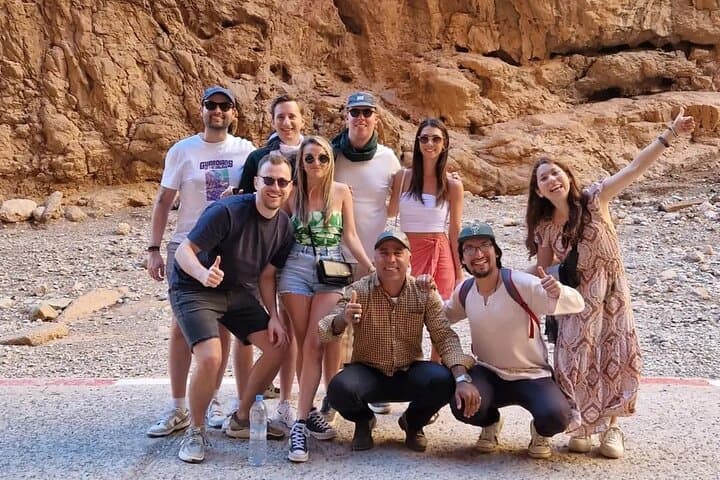
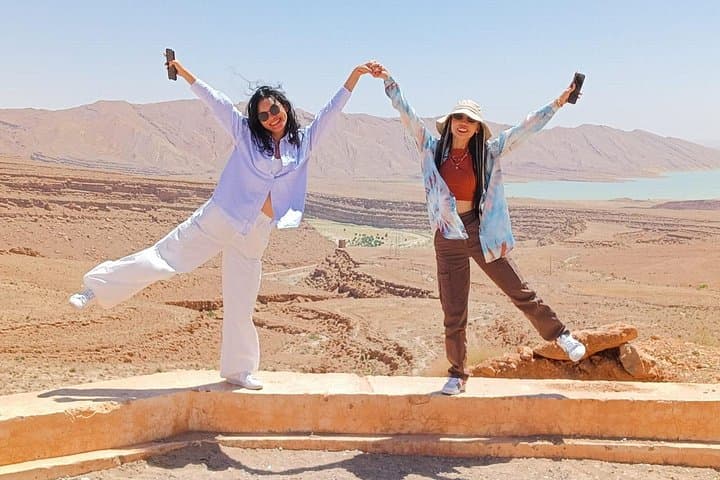
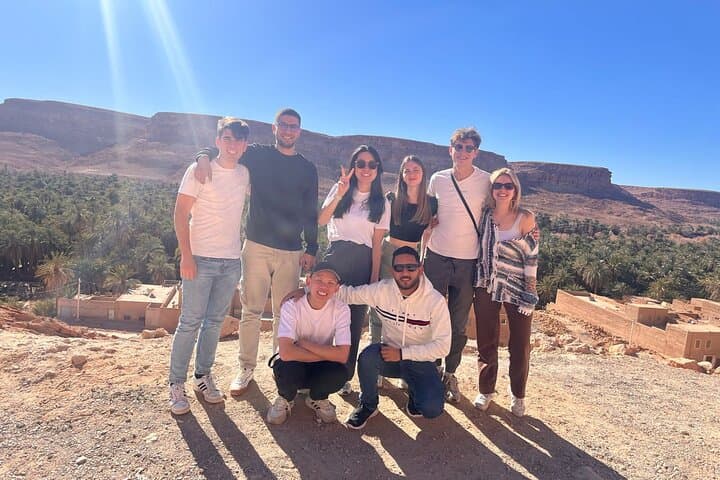
Leaving Fes before dawn, the road unspools through cedar forests and scrubby peaks, the Middle Atlas folding away as the asphalt leads you toward the Sahara. Ifrane’s alpine facades give way to Azrou’s cedar groves where Barbary macaques watch travelers pass; past Midelt the landscape opens into ochre plateaus punctuated by palm oases until Erg Chebbi’s towering dunes appear on the horizon.
Verified experiences and guided adventures in the surrounding area.
Operated by Marrakech Desert Tour · Merzouga, Meknès-Tafilalet
Leaving Fes before dawn, the road unspools through cedar forests and scrubby peaks, the Middle Atlas folding away as the asphalt leads you toward the Sahara. Ifrane’s alpine facades give way to Azrou’s cedar groves where Barbary macaques watch travelers pass; past Midelt the landscape opens into ochre plateaus punctuated by palm oases until Erg Chebbi’s towering dunes appear on the horizon.
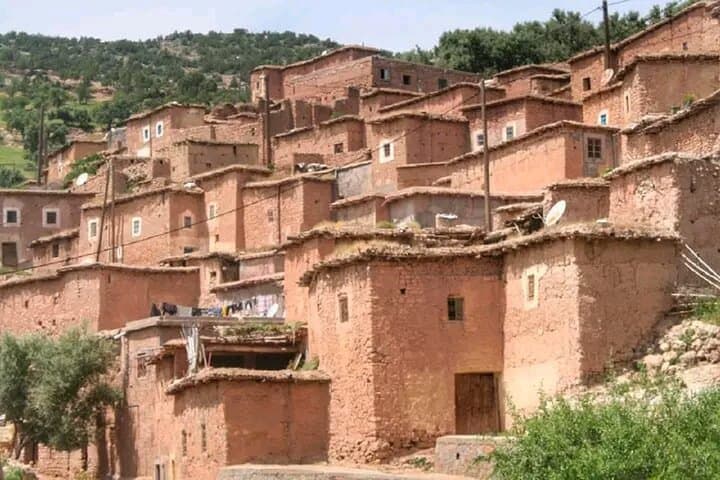
Geologically the Erg Chebbi dunes are wind-sculpted features of the eastern Sahara—mobile sand ridges that shift with seasonal winds and store the memory of ancient fluvial systems. Culturally, this route follows historic caravan corridors and threads through Berber villages and market towns such as Rissani, where ksars and souks reflect centuries of trans-Saharan trade.
Expect a long but scenic drive (~7–8 hours from Fes to Merzouga), a late-afternoon camel ride up the dunes to watch sunset, an evening in a traditional desert camp with local music, and a sunrise walk over the sand before returning to your vehicle. Drivers typically use air-conditioned vehicles and tours include dinner and breakfast at the camp.
Practical tips: pack layers for cold desert nights and hot days, bring at least 2 liters of water for dune time, and wear closed shoes for sand and occasional rocky approaches. If you have heart or mobility issues, note that camel rides and dune walking involve uneven footing. For photographers and early risers, sunrise and sunset offer the most dramatic light and cooler temperatures for sandboard attempts or extended dune hikes.
moderate.
2 days (approx. 48 hours).
Moderate fitness; able to mount a camel, walk on loose sand and endure several hours in a vehicle.
Expect about 7–8 hours of driving with stops for lunch and viewpoints; the itinerary includes scheduled photo and rest breaks.
Yes—camels are used to tourists; guides assist with mounting and advise on posture, but uneven motion can be uncomfortable for some.
Casual, breathable daytime clothes and a warm layer for the night; closed shoes for dune walking and a headscarf for sand protection.
Yes—many operators allow sandboarding on request during the morning dune session, though boards may be basic rental models.
This route traces historic caravan links between the Atlas highlands and the Sahara; towns like Rissani played roles as caravan staging points for salt and dates.
Dune ecosystems are fragile—stick to marked tracks, avoid littering and support camps that use local staff and minimize single-use plastics.
Marrakech Desert Tour operates guided outdoor trips and adventures with an emphasis on safety, stewardship, and memorable experiences.
Leaving Fes before dawn, the road unspools through cedar forests and scrubby peaks, the Middle Atlas folding away as the asphalt leads you toward the Sahara. Ifrane’s alpine facades give way to Azrou’s cedar groves where Barbary macaques watch travelers pass; past Midelt the landscape opens into ochre plateaus punctuated by palm oases until Erg Chebbi’s towering dunes appear on the horizon.
Leaving Fes before dawn, the road unspools through cedar forests and scrubby peaks, the Middle Atlas folding away as the asphalt leads you toward the Sahara. Ifrane’s alpine facades give way to Azrou’s cedar groves where Barbary macaques watch travelers pass; past Midelt the landscape opens into ochre plateaus punctuated by palm oases until Erg Chebbi’s towering dunes appear on the horizon.
Geologically the Erg Chebbi dunes are wind-sculpted features of the eastern Sahara—mobile sand ridges that shift with seasonal winds and store the memory of ancient fluvial systems. Culturally, this route follows historic caravan corridors and threads through Berber villages and market towns such as Rissani, where ksars and souks reflect centuries of trans-Saharan trade.
Expect a long but scenic drive (~7–8 hours from Fes to Merzouga), a late-afternoon camel ride up the dunes to watch sunset, an evening in a traditional desert camp with local music, and a sunrise walk over the sand before returning to your vehicle. Drivers typically use air-conditioned vehicles and tours include dinner and breakfast at the camp.
Practical tips: pack layers for cold desert nights and hot days, bring at least 2 liters of water for dune time, and wear closed shoes for sand and occasional rocky approaches. If you have heart or mobility issues, note that camel rides and dune walking involve uneven footing. For photographers and early risers, sunrise and sunset offer the most dramatic light and cooler temperatures for sandboard attempts or extended dune hikes.