THE ADVENTURE COLLECTIVE® · Independent discovery and booking for outdoor travel

Cross the Middle Atlas into the Sahara on a compact 2-day route that pairs cedar forests and macaque sightings with a 90‑minute camel trek into the Erg Chebbi dunes and an overnight in a Berber camp. Ideal for travelers who want a short, immersive desert experience.
Cross the Middle Atlas into the Sahara on a compact 2-day route that pairs cedar forests and macaque sightings with a 90‑minute camel trek into the Erg Chebbi dunes and an overnight in a Berber camp. Ideal for travelers who want a short, immersive desert experience.
You crest a ridge of sand as the late-afternoon sun slants gold across the Erg Chebbi dunes. Camels breathe steam into the cooling air while a single caravan track carves a slow line behind you — the landscape feels alive, pushing and reshaping itself with every gust.
Verified experiences and guided adventures in the surrounding area.
Operated by Fes Desert Trips · Merzouga, Drâa-Tafilalet
You crest a ridge of sand as the late-afternoon sun slants gold across the Erg Chebbi dunes. Camels breathe steam into the cooling air while a single caravan track carves a slow line behind you — the landscape feels alive, pushing and reshaping itself with every gust.
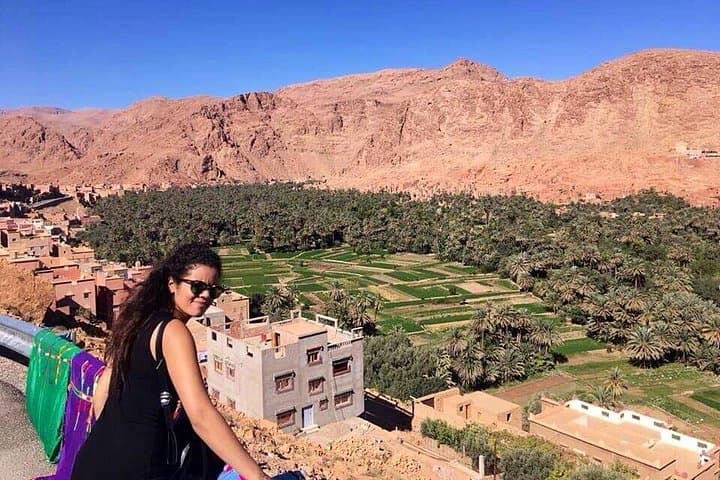
The route threads the Middle Atlas first: Ifrane’s alpine squares give way to cedar forests outside Azrou where Barbary macaques appear at the roadside. Geologically, you move from folded, ancient Atlas bedrock into wind-sculpted aeolian ridges; the dunes here are seasonal, measured in meters of sand that shift daily. Culturally, the journey is a conversation with Berber tradition — nights of Gnawa rhythm in nearby villages like Khamlia and communal meals in the camp underscore a history tied to trans-Saharan trade and pastoral life.
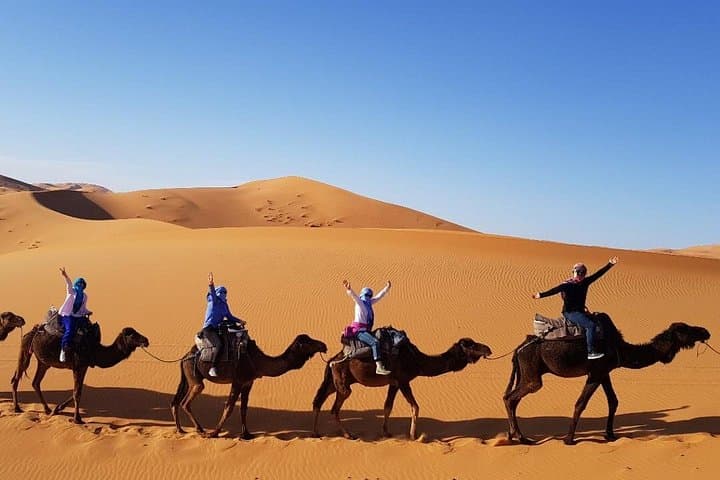
Expect a 48‑hour itinerary: a day of driving with stops through mountain forests, a 90‑minute camel trek at dusk across Erg Chebbi, then an overnight in a traditional-style but comfortable Berber tent with dinner and breakfast included. Dawn light on the dunes is the highlight; photograph long shadows and the subtle curves that define each ridge.
Practical notes: pack layers for hot days and cold desert nights, bring at least 2 liters of water for the trek, and use sun protection. The route is suitable for most fitness levels but involves mounting camels and short sandy walks. Bookings often include hotel pickup from Fes; confirm pickup points, group size (up to 17), and cancellation policy before travel.
easy.
2 days (≈48 hours).
Light; suitable for most people who can mount a camel and walk short distances on sand
The typical camel crossing is around 90 minutes at dusk to reach the desert camp, with a gentler ride back at dawn.
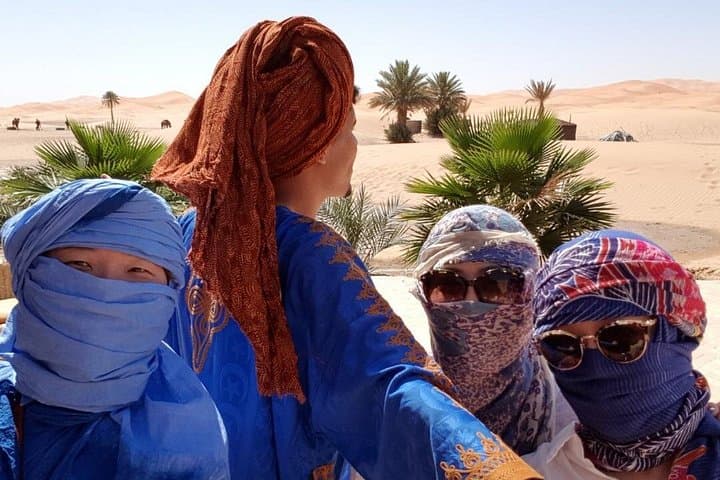
Overnight is in a traditional Berber-style tent, described as a luxury tent on the itinerary — expect a mattress, blankets, and communal dining around a campfire.
No special fitness is required; the tour is listed as suitable for all fitness levels, though you should be able to mount a camel and walk short distances on sand.
Yes — transfers are part of the tour. Confirm your exact pickup point when booking as routes can vary depending on whether you return to Fes or head to Marrakech.
This corridor links Middle Atlas Berber villages with historic trans‑Saharan routes; local music and crafts preserve intangible trade-era traditions.
Water scarcity and off-road driving can stress dune edges and local wells — stick to established tracks, avoid plastic waste, and support locally owned camps and guides.
Fes Desert Trips operates guided outdoor trips and adventures with an emphasis on safety, stewardship, and memorable experiences.
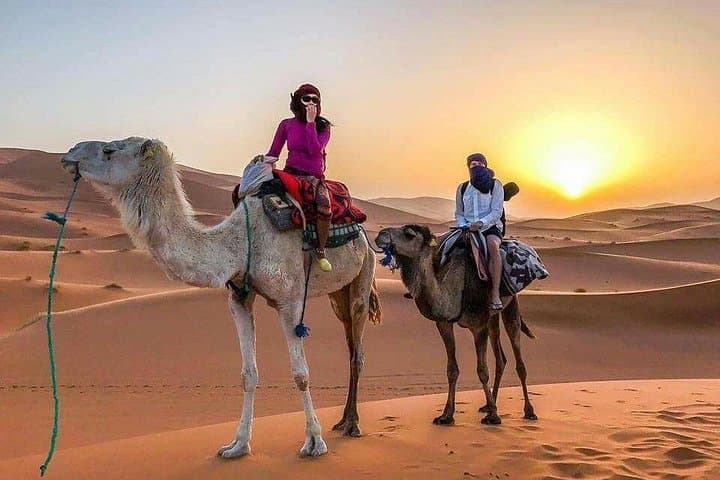
You crest a ridge of sand as the late-afternoon sun slants gold across the Erg Chebbi dunes. Camels breathe steam into the cooling air while a single caravan track carves a slow line behind you — the landscape feels alive, pushing and reshaping itself with every gust.
You crest a ridge of sand as the late-afternoon sun slants gold across the Erg Chebbi dunes. Camels breathe steam into the cooling air while a single caravan track carves a slow line behind you — the landscape feels alive, pushing and reshaping itself with every gust.
The route threads the Middle Atlas first: Ifrane’s alpine squares give way to cedar forests outside Azrou where Barbary macaques appear at the roadside. Geologically, you move from folded, ancient Atlas bedrock into wind-sculpted aeolian ridges; the dunes here are seasonal, measured in meters of sand that shift daily. Culturally, the journey is a conversation with Berber tradition — nights of Gnawa rhythm in nearby villages like Khamlia and communal meals in the camp underscore a history tied to trans-Saharan trade and pastoral life.
Expect a 48‑hour itinerary: a day of driving with stops through mountain forests, a 90‑minute camel trek at dusk across Erg Chebbi, then an overnight in a traditional-style but comfortable Berber tent with dinner and breakfast included. Dawn light on the dunes is the highlight; photograph long shadows and the subtle curves that define each ridge.
Practical notes: pack layers for hot days and cold desert nights, bring at least 2 liters of water for the trek, and use sun protection. The route is suitable for most fitness levels but involves mounting camels and short sandy walks. Bookings often include hotel pickup from Fes; confirm pickup points, group size (up to 17), and cancellation policy before travel.