THE ADVENTURE COLLECTIVE® · Independent discovery and booking for outdoor travel

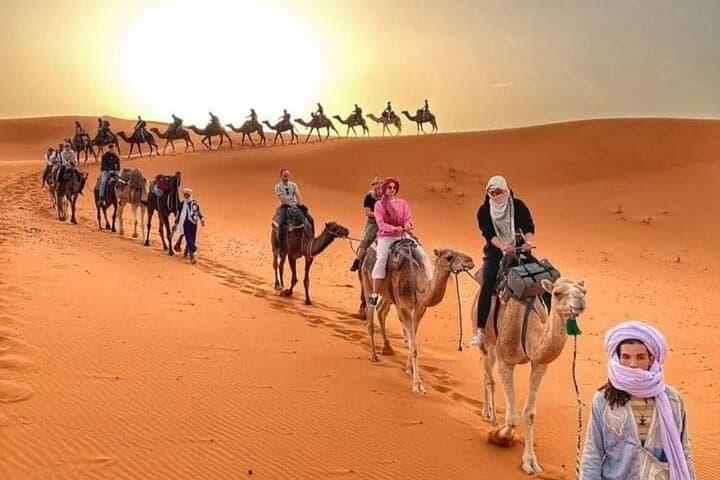
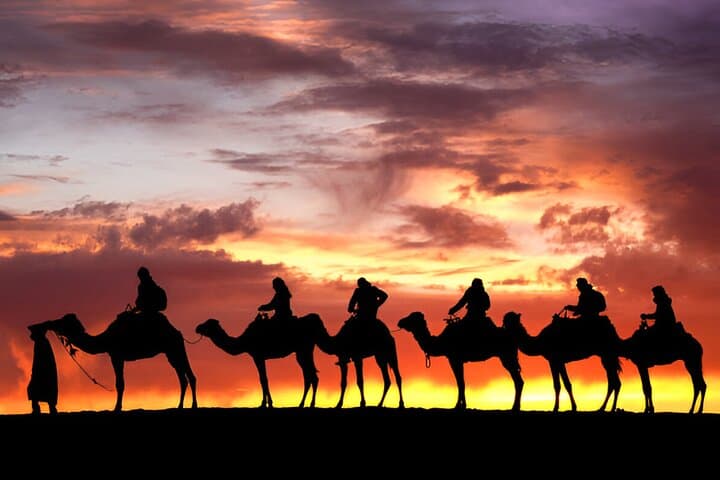
Experience the Sahara in two days: cedar forests and Barbary macaques, the palm-scattered Ziz Valley, and an evening camel trek into Erg Chebbi to sleep under the stars in a Berber camp.
Experience the Sahara in two days: cedar forests and Barbary macaques, the palm-scattered Ziz Valley, and an evening camel trek into Erg Chebbi to sleep under the stars in a Berber camp.
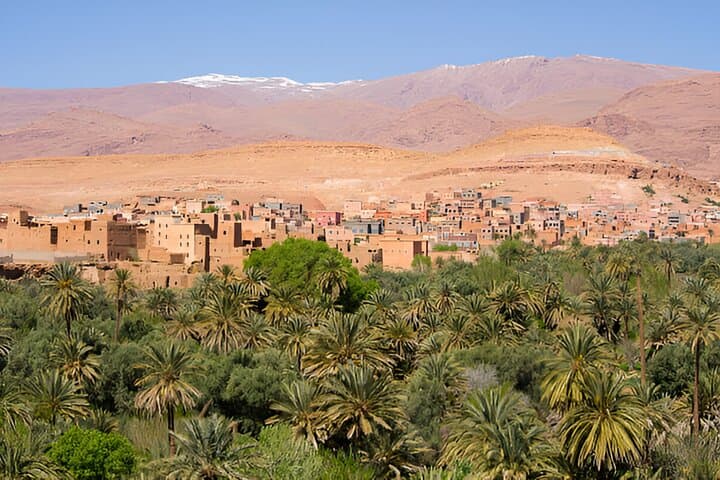
The morning air off Fes is crisp as the minarets shrink behind you and the Middle Atlas rises, a cooler world of cedar forests and winding roads. Pines and oaks give way to rocky passes; Barbary macaques watch the convoy, then disappear into the trees as the landscape opens to the ochre sweep of the Ziz Valley and the first palms of the oasis.
Verified experiences and guided adventures in the surrounding area.
Operated by Camel Ride Trips · Merzouga, Drâa-Tafilalet
The morning air off Fes is crisp as the minarets shrink behind you and the Middle Atlas rises, a cooler world of cedar forests and winding roads. Pines and oaks give way to rocky passes; Barbary macaques watch the convoy, then disappear into the trees as the landscape opens to the ochre sweep of the Ziz Valley and the first palms of the oasis.
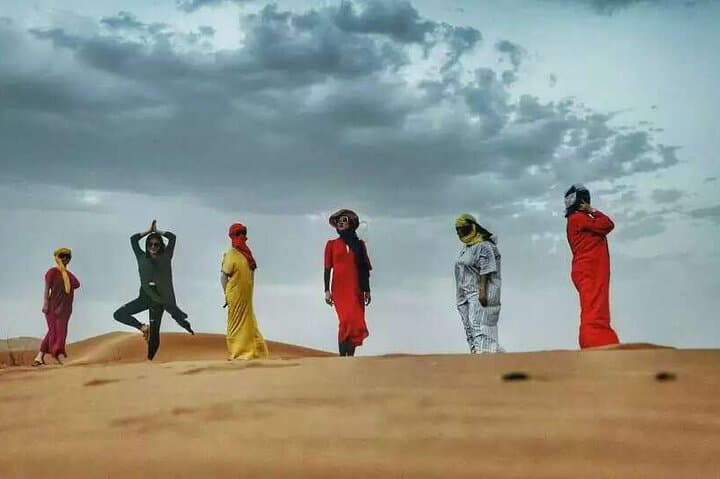
This short, focused route follows historic caravan lines that once linked Morocco to trans-Saharan trade. The geology shifts fast: weathered limestone in the mountains, alluvial plains in the valley, and finally the wind-sculpted sand of Erg Chebbi — dunes that climb like living hills and shift every season.
Culturally the trip centers on Amazigh (Berber) hospitality — roadside lunches, evening drums and songs in camp, and simple tents furnished for comfort rather than luxury. Guides versed in local stories translate both song and landscape, pointing out irrigation khettaras in the valley and explaining nomadic routes.
Practicalities: expect roughly two days of mixed driving with short stops (total about 48 hours). Camel treks to camp are gentle but uneven; most people find the pace easy. Pack layers for large diurnal swings, bring a headlamp for camp, and plan pickup in Fes or a nearby meeting point. Hydrate for the drive and aim to arrive to dunes well before sunset — that’s when the heat eases and the sand puts on its best colors.
moderate.
2 days (approx. 48 hours).
Suitable for most fitness levels — involves long vehicle drives and short periods of walking or sitting on a camel; be comfortable mounting and dismounting.
Camel rides to the Erg Chebbi camp are typically 45–90 minutes depending on the starting point and dune chosen for sunset.
Most desert camps used on this route offer private or small shared tents and tented or basic camp toilets; check the operator for luxury vs. standard camp options.
Yes — the itinerary notes suitability for all physical fitness levels, but consider motion tolerance for long drives and ability to mount camels; infant seats or stroller options may be available for very young children.
Spring and fall offer the most comfortable temperatures; summer is very hot during the day while winter nights can be cold and occasionally windy.
This route traces corridors used by Amazigh communities and historic caravan lines; settlements in the Ziz valley grew around water sources that made trans-Saharan travel possible.
Respect dune vegetation and camp fire rules — foot traffic and off-track driving accelerate erosion; use established campsites and avoid leaving waste in the landscape.
Camel Ride Trips operates guided outdoor trips and adventures with an emphasis on safety, stewardship, and memorable experiences.
The morning air off Fes is crisp as the minarets shrink behind you and the Middle Atlas rises, a cooler world of cedar forests and winding roads. Pines and oaks give way to rocky passes; Barbary macaques watch the convoy, then disappear into the trees as the landscape opens to the ochre sweep of the Ziz Valley and the first palms of the oasis.
The morning air off Fes is crisp as the minarets shrink behind you and the Middle Atlas rises, a cooler world of cedar forests and winding roads. Pines and oaks give way to rocky passes; Barbary macaques watch the convoy, then disappear into the trees as the landscape opens to the ochre sweep of the Ziz Valley and the first palms of the oasis.
This short, focused route follows historic caravan lines that once linked Morocco to trans-Saharan trade. The geology shifts fast: weathered limestone in the mountains, alluvial plains in the valley, and finally the wind-sculpted sand of Erg Chebbi — dunes that climb like living hills and shift every season.
Culturally the trip centers on Amazigh (Berber) hospitality — roadside lunches, evening drums and songs in camp, and simple tents furnished for comfort rather than luxury. Guides versed in local stories translate both song and landscape, pointing out irrigation khettaras in the valley and explaining nomadic routes.
Practicalities: expect roughly two days of mixed driving with short stops (total about 48 hours). Camel treks to camp are gentle but uneven; most people find the pace easy. Pack layers for large diurnal swings, bring a headlamp for camp, and plan pickup in Fes or a nearby meeting point. Hydrate for the drive and aim to arrive to dunes well before sunset — that’s when the heat eases and the sand puts on its best colors.