THE ADVENTURE COLLECTIVE® · Independent discovery and booking for outdoor travel

This two-day small-group tour links Pisac and Ollantaytambo in the Sacred Valley with an overnight in Aguas Calientes and a guided visit to Machu Picchu. Ideal for travelers who want a compact, guided experience that covers archaeology, local markets and the train ride through the Urubamba Gorge.
This two-day small-group tour links Pisac and Ollantaytambo in the Sacred Valley with an overnight in Aguas Calientes and a guided visit to Machu Picchu. Ideal for travelers who want a compact, guided experience that covers archaeology, local markets and the train ride through the Urubamba Gorge.
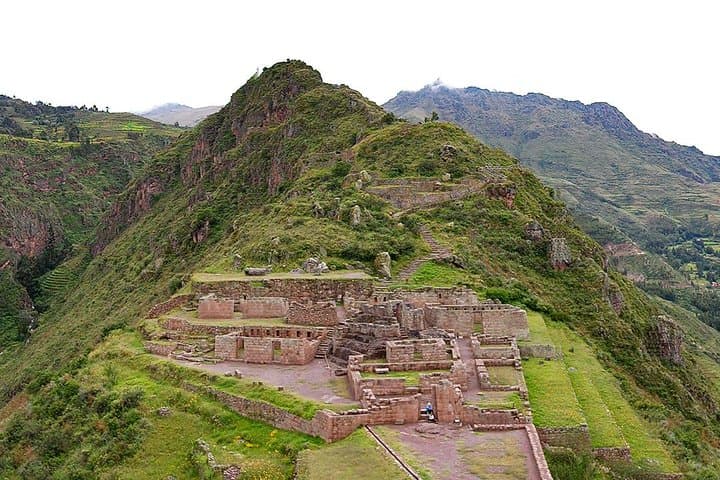
The morning bus from Cusco climbs into thinning air and a patchwork of terraces unfurls beneath the windows—stone steps that once fed an empire. On day one the group moves through Pisac’s sun-baked market, past grazing alpacas at a family farm, and up the narrow streets of Ollantaytambo where the stones still fit like a lock. A late-afternoon train threads the Urubamba Gorge down to Aguas Calientes; night comes with river noise and the promise of the citadel at dawn.
Verified experiences and guided adventures in the surrounding area.
Operated by CrossoverPeru Tours · Aguas Calientes (Machu Picchu Pueblo), Cusco Region
The morning bus from Cusco climbs into thinning air and a patchwork of terraces unfurls beneath the windows—stone steps that once fed an empire. On day one the group moves through Pisac’s sun-baked market, past grazing alpacas at a family farm, and up the narrow streets of Ollantaytambo where the stones still fit like a lock. A late-afternoon train threads the Urubamba Gorge down to Aguas Calientes; night comes with river noise and the promise of the citadel at dawn.
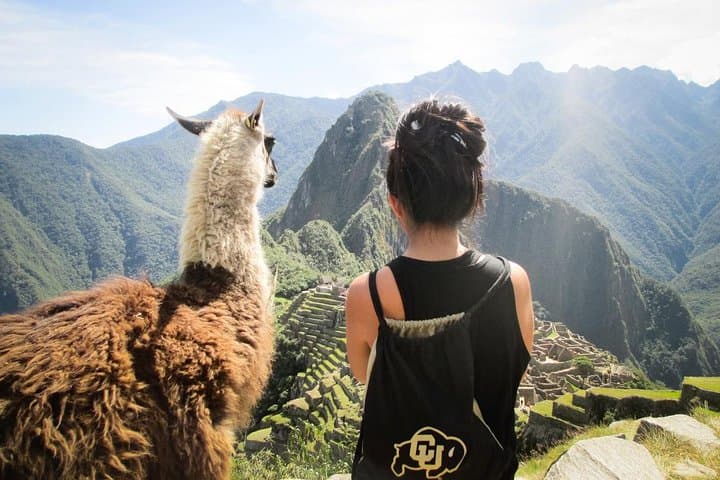
Machu Picchu sits on a granite spine carved by tectonic uplift and Andean rivers; the Incas placed agricultural terraces, temples and stairways to align with solstices and the surrounding peaks. The Sacred Valley’s towns preserve Quechua culture—markets of woven textiles, highland cuisine, and living craft traditions that trace to pre-Columbian times.
Practically: expect two full days of moderate walking at altitude. The guided visit to Machu Picchu runs about 2–2.5 hours with additional time to photograph terraces and plazas (Huayna Picchu is not included). Trains and standard entrance tickets are provided, plus one night in a 3-star Aguas Calientes hotel.
Plan for early starts, sun and sudden showers, and thin air—hydrate, sleep well in Cusco beforehand, and pace efforts climbing stairways. Bring layered clothing, sturdy shoes with grip, and a compact daypack for camera gear and snacks. Guides handle logistics; travelers should carry passport details for ticketing and be ready for narrow paths and stone steps. The route rewards patience: sweeping mountain views, living history, and a close look at how landscape and culture shaped each other in the high Andes.
moderate.
2 days.
Moderate fitness: able to walk 2–4 hours over uneven, high-altitude terrain and climb stone steps.
No—Huayna Picchu is not included; it requires a separate permit and limited tickets booked in advance.
Yes, round-trip standard train tickets and entrance to Pisac, Ollantaytambo and Machu Picchu are included as detailed on the itinerary.
The itinerary recommends acclimatizing in Cusco before departure; carry water, move slowly on steep sections and consult a physician about medication if you are prone to altitude sickness.
Hotel pickup from Cusco is provided (around 07:30); note the operator lists an all-sales-final cancellation policy—confirm dates and passport details carefully.
Machu Picchu was developed by the Inca in the 15th century as an administrative and ceremonial site; terraces and astronomical alignments reflect sophisticated engineering and agricultural planning.
Visitor numbers and timed entry laws protect fragile ruins and trails—stay on marked paths, avoid single-use plastics, and support local guides and community businesses.
CrossoverPeru Tours operates guided outdoor trips and adventures with an emphasis on safety, stewardship, and memorable experiences.


The morning bus from Cusco climbs into thinning air and a patchwork of terraces unfurls beneath the windows—stone steps that once fed an empire. On day one the group moves through Pisac’s sun-baked market, past grazing alpacas at a family farm, and up the narrow streets of Ollantaytambo where the stones still fit like a lock. A late-afternoon train threads the Urubamba Gorge down to Aguas Calientes; night comes with river noise and the promise of the citadel at dawn.
The morning bus from Cusco climbs into thinning air and a patchwork of terraces unfurls beneath the windows—stone steps that once fed an empire. On day one the group moves through Pisac’s sun-baked market, past grazing alpacas at a family farm, and up the narrow streets of Ollantaytambo where the stones still fit like a lock. A late-afternoon train threads the Urubamba Gorge down to Aguas Calientes; night comes with river noise and the promise of the citadel at dawn.
Machu Picchu sits on a granite spine carved by tectonic uplift and Andean rivers; the Incas placed agricultural terraces, temples and stairways to align with solstices and the surrounding peaks. The Sacred Valley’s towns preserve Quechua culture—markets of woven textiles, highland cuisine, and living craft traditions that trace to pre-Columbian times.
Practically: expect two full days of moderate walking at altitude. The guided visit to Machu Picchu runs about 2–2.5 hours with additional time to photograph terraces and plazas (Huayna Picchu is not included). Trains and standard entrance tickets are provided, plus one night in a 3-star Aguas Calientes hotel.
Plan for early starts, sun and sudden showers, and thin air—hydrate, sleep well in Cusco beforehand, and pace efforts climbing stairways. Bring layered clothing, sturdy shoes with grip, and a compact daypack for camera gear and snacks. Guides handle logistics; travelers should carry passport details for ticketing and be ready for narrow paths and stone steps. The route rewards patience: sweeping mountain views, living history, and a close look at how landscape and culture shaped each other in the high Andes.